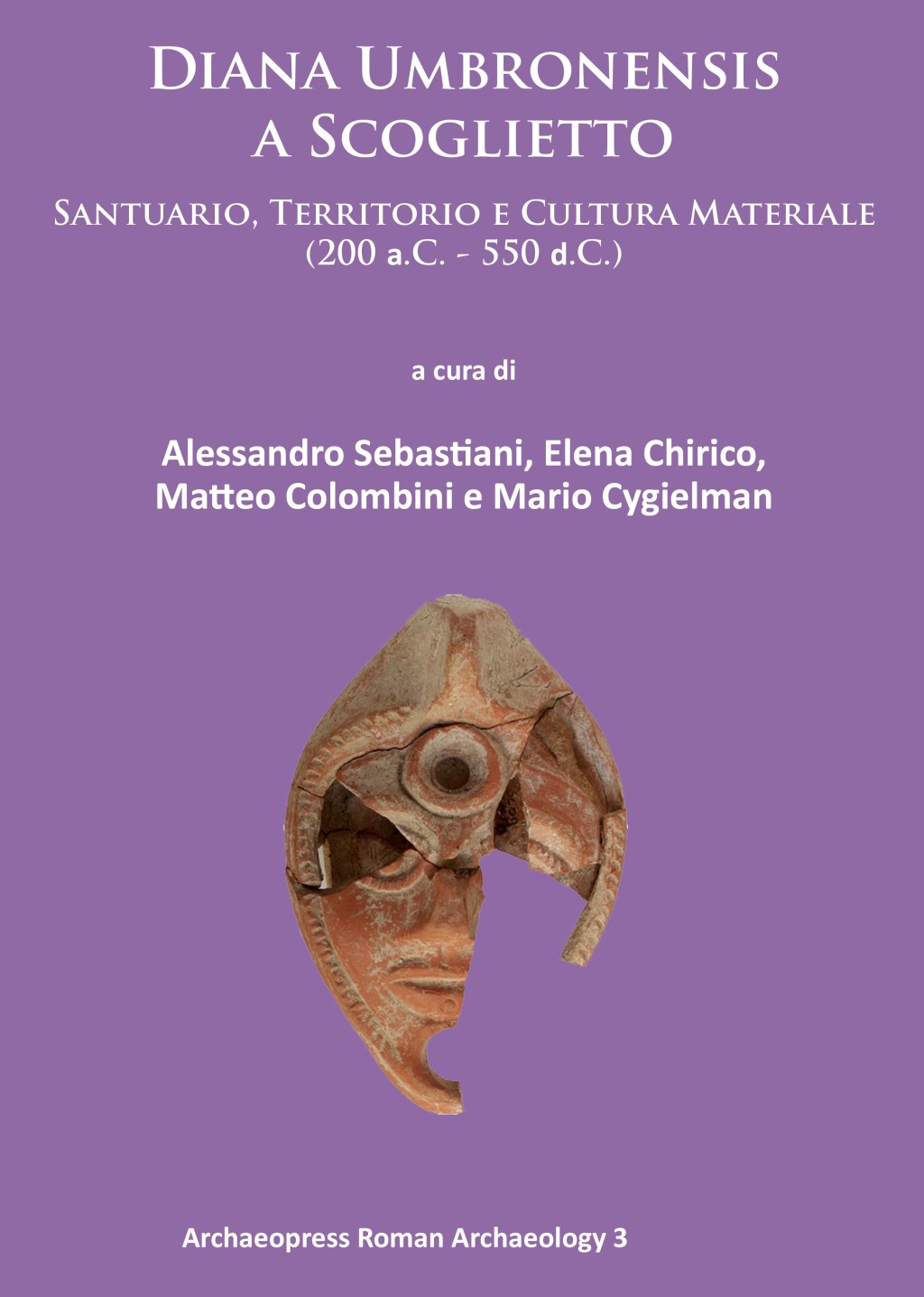
By 2015, nearly a decade ago, the comprehensive volume summarizing the excavations at the Sanctuary of Diana Umbronensis in Scoglietto was published. Three years of intensive research had yielded a substantial body of data, significantly revising the historical narrative of the coastal area of the ager Rusellanus. At the time, due to our youth and the uncertainties surrounding the interpretation of the site’s significance, we may not have fully grasped the importance of our findings. Additionally, by the second year of excavations, our efforts had expanded to Spolverino, the extensive manufacturing district situated along the last river bend. Subsequently, in 2015, we initiated excavations at the positio of Umbro flumen, continuing to gather and process data and information—a task that remains ongoing.
The publication of the volume coincided with the completion of excavations covering 90% of the area settled during the Roman period. Within this volume, we documented the evolution and episodic use of the sanctuary, tracing its development from its origins in the 2nd century BC to its complete abandonment at the end of the 4th century AD. We also detailed the late antique period, including the sanctuary’s conversion into a hut and the discovery of the first Byzantine nummus ever found in the ager Rusellanus.
Nine years later, the Scoglietto excavation continues to yield remarkable discoveries. These new findings are slated for publication in an upcoming volume focused on the sacred landscapes of central Italy for the MediTo Series by Brepols. Concurrently, we are preparing to explore the previously unknown medieval phases of the site, promising further insights into its historical trajectory.
 Alessandro Sebastiani
Lascia un commento