Tuscan castles are now commonly imagined as bastions of noble power; from their lofty towers, these families controlled vast swaths of territory, managing their fiefs’ economy and culture while imposing a strict social hierarchy.
These power centers, established in the 10th century AD and frequently mentioned in written sources from the late 11th century, faced diverse destinies. Many were abandoned through a lengthy process of decastellamento that began as early as the 13th century and, in some cases, concluded in the 17th century AD. Others have endured as present-day villages, creating a rich tapestry of historical periods and architectural styles.
Recent excavations reveal that these hilltop settlements thrived even in classical times. As archaeologists dig deeper into the stratigraphy, they uncover an increasing number of Etruscan, Hellenistic, and Roman artifacts. This phenomenon is evident at Castellaraccio di Monteverdi, the latest of many examples in southern Tuscany of medieval sites with much older origins. The enduring charm and strategic significance of these hills remain deeply etched in the memories of local communities. These heights are continuously rediscovered, reshaped, and repurposed according to historical events that patient archaeologists strive to decipher.
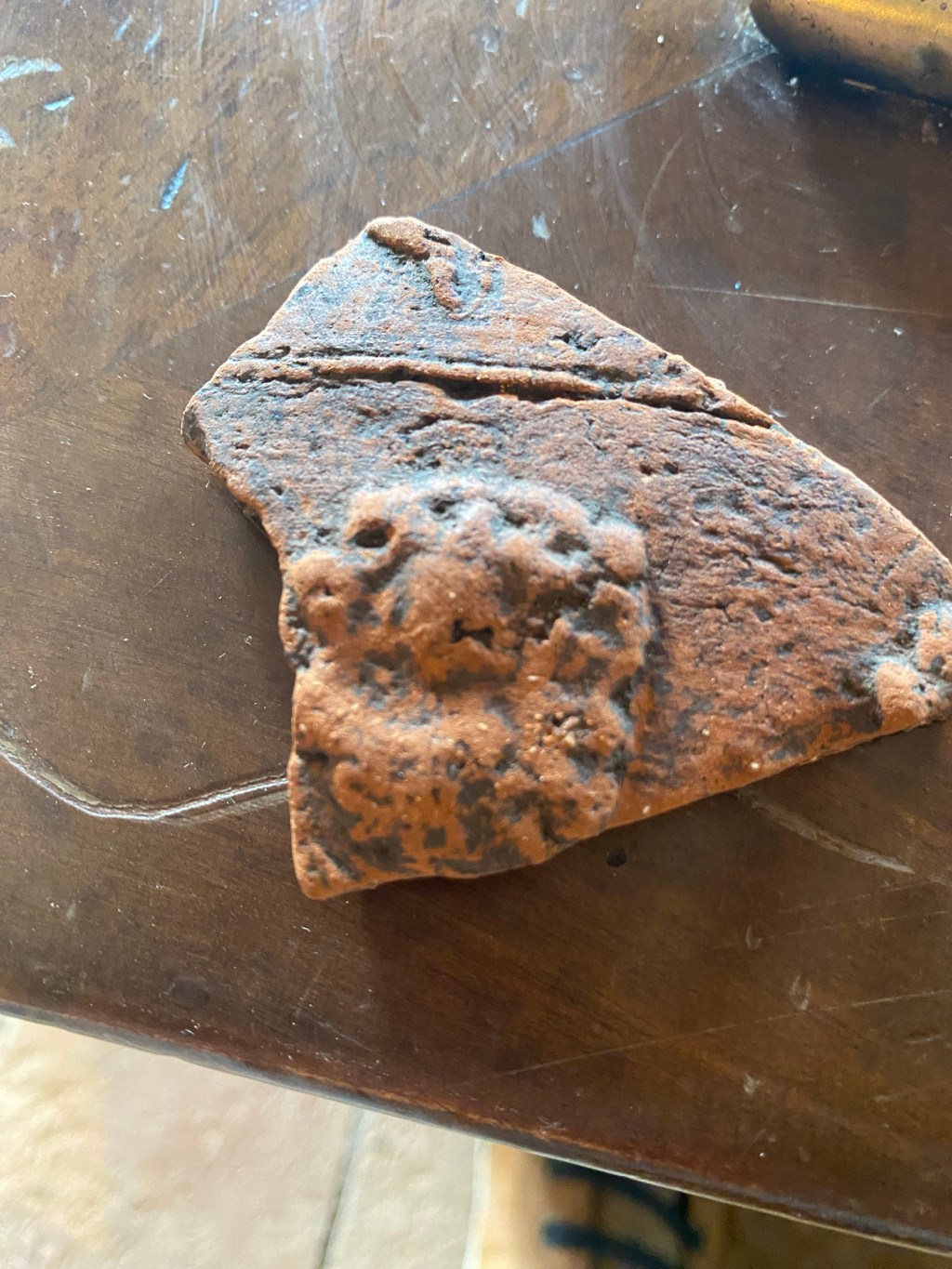
Although Castellaraccio contains some evidence of classical influence, certain artifacts may be misleading. For instance, a 15th-century pottery sherd, likely produced between Siena and Grosseto, features classical decorative motifs reminiscent of African Red Slip Ware. This highlights the need for careful analysis to distinguish true classical pieces from later imitations while still being fascinating for the recurrence of history and the arts.
 Alessandro Sebastiani
Lascia un commento