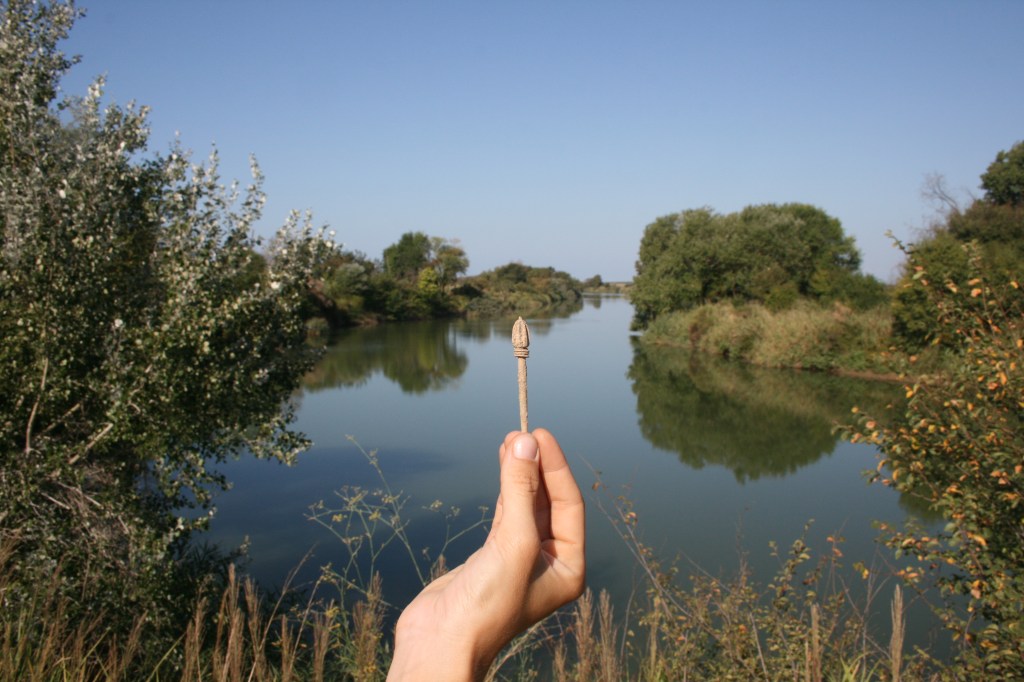
The Roman site of Spolverino, excavated as part of the Alberese Archaeological Project and now integrated into the IMPERO Project, has yielded a discovery unparalleled in its genre: a bone workshop providing a complete snapshot of ancient production techniques. This remarkable find sheds light on the intricate craftsmanship of late 2nd-century CE Roman artisans and their skill in transforming raw materials into functional and decorative objects.
Excavations at the site revealed all stages of the production process, from raw antlers and entire animal bones to semi-worked pieces and finely crafted final products. The presence of abundant bone chips scattered across the workshop area further testified to the hectic activities of bone-working, offering a rare glimpse into the day-to-day operations of this specialized craft. These findings allow us to reconstruct the tools, techniques, and labor that went into creating objects essential for Roman life, such as hairpins, needles, and ornamental items.
The significance of this discovery lies not only in its preservation but also in its rarity. While bone artifacts are common archaeological finds, uncovering an entire workshop with such clarity and evidence of all production phases is extraordinary. The results of these excavations, meticulously documented, have been published in a peer-reviewed paper, ensuring their accessibility to scholars and enriching our understanding of Roman industry and economy (CLICK HERE for the paper).
As part of the broader IMPERO Project, this discovery contributes to the narrative of Spolverino as a vibrant production and manufacturing district. The bone workshop stands as a testament to the ingenuity of Roman artisans, connecting us to their world through the objects they shaped and the skills they honed.
 Alessandro Sebastiani
Lascia un commento