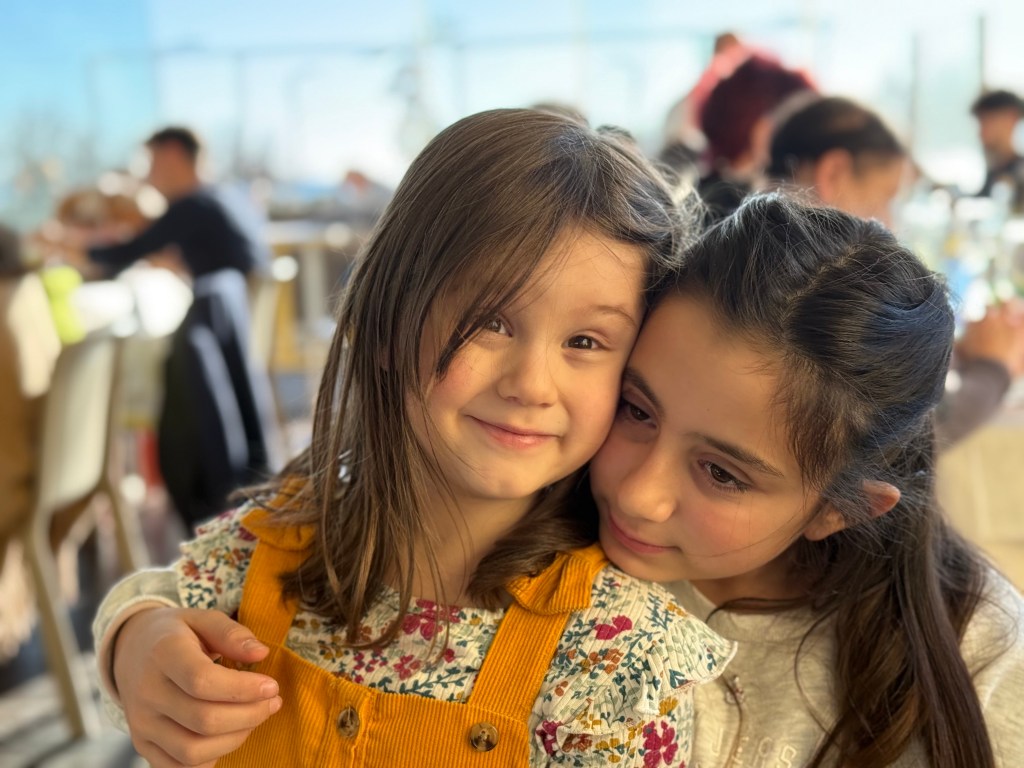
When I published the Italian edition of my book with Carocci (Roma antica e l’ideologia nazionale italiana. Trasformazioni di una città dal Risorgimento al fascismo), I dedicated it to my daughter Viola and my niece Aurora. In the brief dedication, I wrote that the future of cultural heritage belongs to their generation, implying our collective responsibility to preserve its memory and the intrinsic meaning that monuments convey in their various forms.
For the past four weeks, I have been addressing these themes in a seminar for graduate students, where our readings often spark long digressions and passionate discussions. We explored Fascist Rome and the manipulative use of Roman antiquities, then moved on to Greece, where the monuments of Classical Athens were reinterpreted and coordinated to align with a growing national ideology. In our last meeting, we focused on Masada in Israel and the narrative constructions surrounding the site, trying to understand how we can transmit the authenticity of these places today. For at least an hour and a half, we were paralyzed by the inability to find answers—until we remembered them: children and their extraordinary ability to see the world without bias.
In an era so dark on the global stage, new generations represent hope. Their attentive, imaginative minds, capable of wonder in the face of discovery, remind us of our duty as scholars of cultural heritage: to educate them in the understanding of monuments, art, and both tangible and intangible values. We must convey to them the importance of feeling part of a larger, global history—one that does not stop at a single historical phase but is contextualized within broader events and circumstances that go beyond us.
And so, that dedication came back to mind—perhaps, at the time, more driven by emotion than by rationality. But today, it seems even clearer and more necessary: a way of looking to the future not with resignation to the inevitable, but with confidence in the ability to build a more conscious tomorrow.
 Alessandro Sebastiani
Lascia un commento