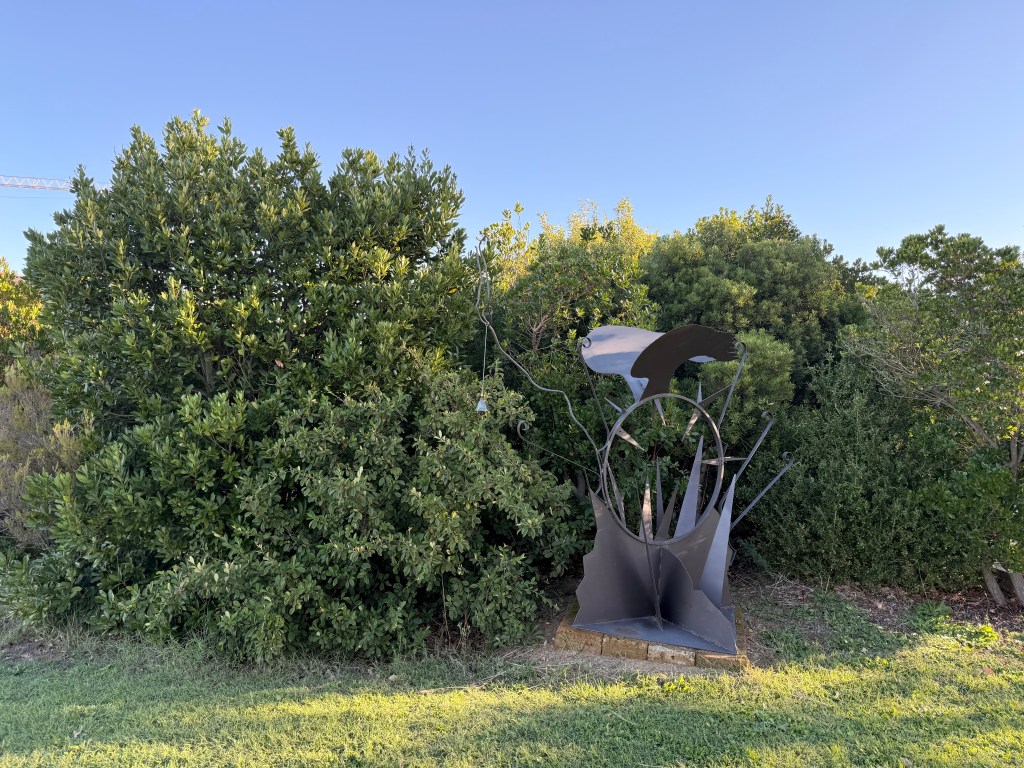
This past week in Italy unfolded between landscapes and conversations, from the serene setting of the Monastery of Siloe to the alpine air of Trento.
At Siloe, I had the privilege of speaking once again about the excavations at Alberese, a project born out of friendship and the shared desire to build something different from all the research experiences I had taken part in before. The monastic calm, nestled in the Tuscan hills, provided the perfect backdrop to reflect on how archaeological landscapes are both mutable and crystallized in time, allowing us to perceive the slow, conservative transformations they have undergone through the centuries.
The journey then stretched north to Trento, where my friend and colleague Emanuele Vaccaro invited me to present my recent book on Rome and to give a lecture on the Impero Project and its excavations. It was also a deeply moving moment to reunite with a dear friend after thirty-two years, a friend from the days when we were both part of the Bancarellino literary jury, unaware of how far and wide life would take us. Time seemed to have passed like only a few months, gently folded into memory.
It was a pleasure, too, to encounter such an engaged new generation of students, curious, thoughtful, and eager not only to listen to archaeological stories, but to make them part of their own intellectual paths. The Department at Trento left a lasting impression: well-organized, dynamic, and full of purpose.
Driving back south, from the Alps through the Po Valley and the Maremma plain to the Tyrrhenian Sea, the landscapes shifted once again, layers of Italy unfolding like the strata of an excavation. When the plane finally touched down at JFK, the Statue of Liberty remained unseen from my window, yet I could feel her silent welcome.
Some meetings remind us that time itself is just another kind of landscape, one we continue to cross, layer by layer, memory by memory.
 Alessandro Sebastiani
Lascia un commento