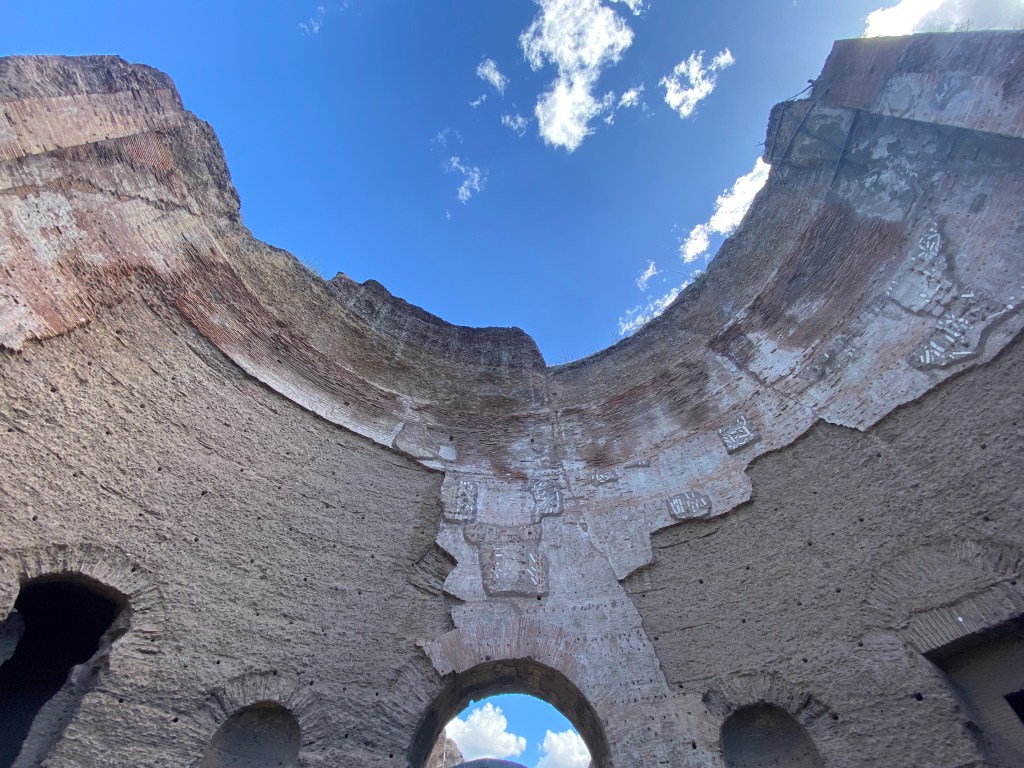
How it all started
I grew up in Tuscany, between the city of Grosseto and the small hilltop village of Scansano. Since I have memory, I was surrounded by archaeology when rambling around the Etruscan necropolis at Sovana or visiting my father in Rome. I guess it all started like this, immersed in awe and doubts about the past.
Biography
Rooted in history from the very beginning.
I grew up in a land where the past is everywhere. As a child, I walked with my parents through the grand remains of the Roman Villa of Settefinestre, explored the villa once owned by the Anili family, and climbed the stone walls of medieval castles. These early encounters with ancient and medieval ruins sparked a lifelong fascination.
At seventeen, I joined my first archaeological excavation, and never looked back.
Academic beginnings.
In 2000, I began my studies at the University of Siena, graduating in 2005 with a thesis on residential architecture in late antique and early medieval Italy. My doctoral research focused on the urban topography of Regio VII Augustea, combining archaeology and historical geography.
Hands-on field experience.
I have excavated fortified hilltop castles such as Castel di Pietra, Rocca Silvana, Staggia, Poggibonsi, and Miranduolo, as well as urban sites like Grosseto and the UNESCO World Heritage site of Butrint. Each site added new layers to my understanding of how people shape—and are shaped by—the places they inhabit.
Academic Appointments
Current roles.
I am Associate Professor of Roman Archaeology at the University at Buffalo (SUNY) and I am serving as Chair of the Department of Classics.
Other positions.
I am also a board member of the Institute of European and Mediterranean Archaeology and have directed the IMPERO Project since 2017.
Recent visiting positions.
- Fall 2024 – Visiting Researcher, University of Pisa
- Spring 2024 – Visiting Professor of Archaeology of Roman Provinces, University of Tor Vergata, Rome
Research Interests
Core research areas.
My work sits at the crossroads of archaeological fieldwork, historical analysis, and the study of cultural memory. It revolves around two main themes:
- Ancient settlement patterns (Etruscan period to Middle Ages)
- Social, economic, and environmental dynamics shaping the rise, transformation, and abandonment of rural and urban centers.
- Director of the IMPERO Project (since 2017) and co-director of the Alberese Archaeological Project (2009–2015).
- Ideological use of classical architecture in modern Italy (1870–1945)
- How urban planning and monumental architecture were used to construct spaces charged with national identity, blending ancient heritage with modern political narratives.
Impact.
Together, these lines of research reveal how landscapes, cities, and monuments—ancient and modern—act as agents in shaping identity, memory, and power.
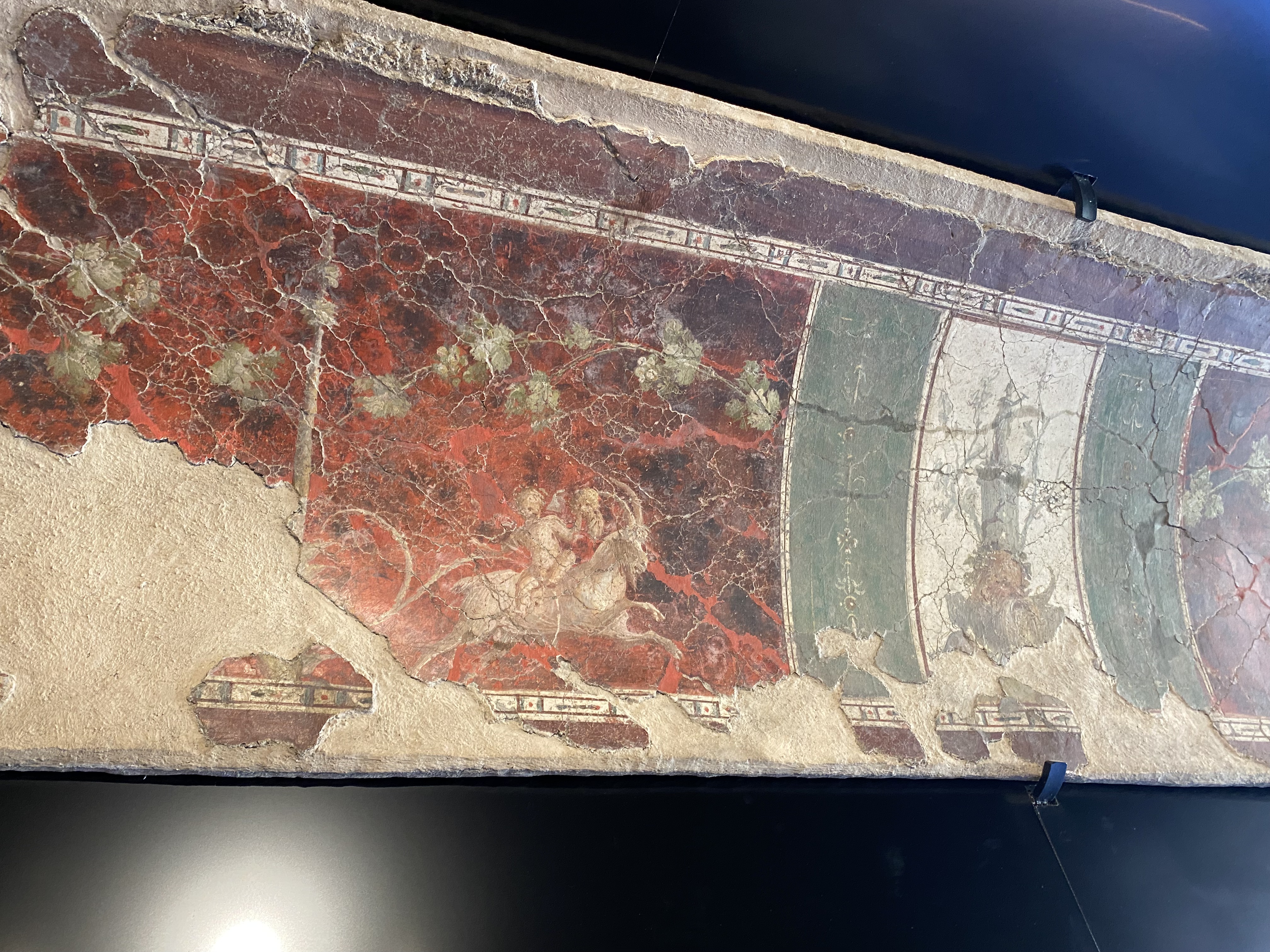
“Archaeology is Not What You Find, It’s What You Find Out.”
David Hurst Thomas
 Alessandro Sebastiani