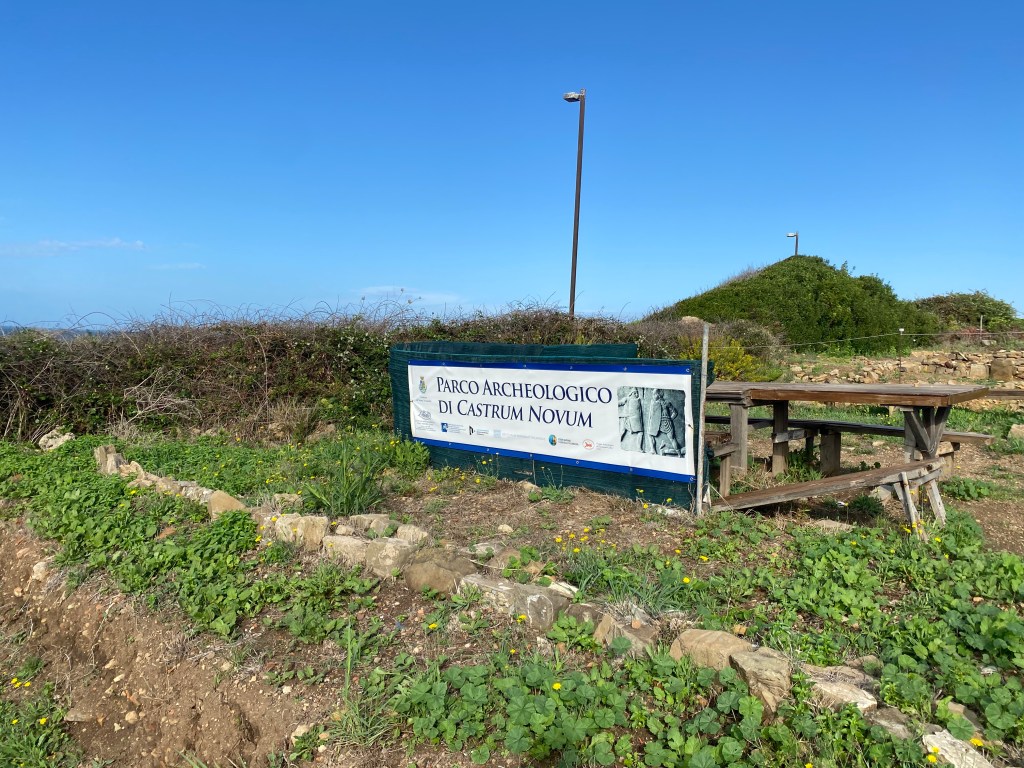
At Castrum Novi, the research conducted by Dr. Flavio Enei and his team has brought to light remarkable insights into the early history of this ancient settlement.
The discovery of the colony, established in the 3rd century BCE, marks an important chapter in Roman territorial expansion along the Tyrrhenian coast.
Dr. Enei’s excavations have not only uncovered the original structures of this colony but have also tracked its development through the centuries, shedding light on its urban and social dynamics. One of the most significant findings in the later stages of Castrum Novi’s history is the construction of the theater, which dates to the reign of Emperor Hadrian in the 2nd century CE. This monumental structure is a testament to the city’s flourishing during the high imperial period, when it became a hub of cultural and public life.
As the centuries passed, the city witnessed significant transformations, and by the 6th century CE, it had reached its final destiny, fading from prominence as political and economic shifts altered the landscape of Roman Italy. The work of Dr. Enei’s team continues to illuminate the life cycle of this once-thriving urban center, providing a window into its rise and eventual decline.
 Alessandro Sebastiani
Lascia un commento