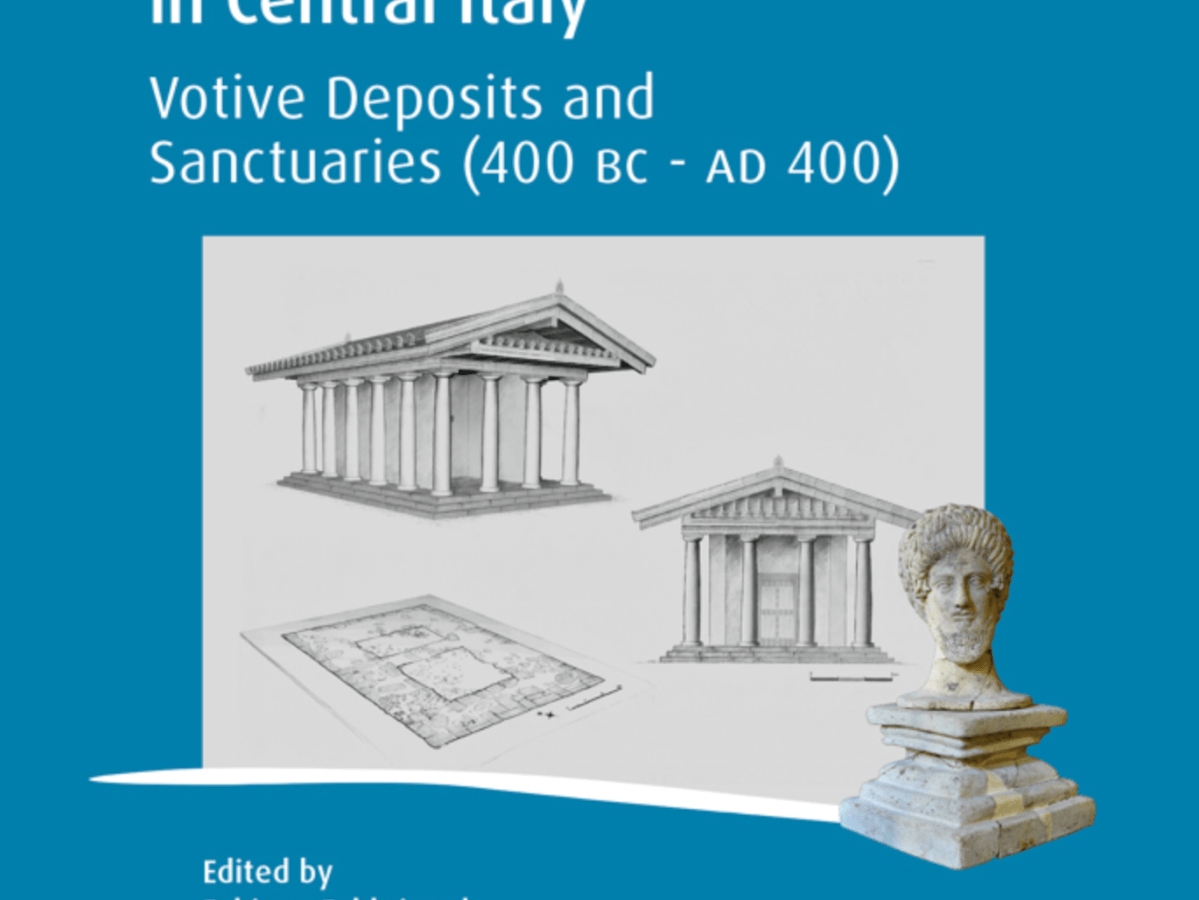
Sacred Landscapes – Memories and a Review
Writing a book is always emotional and deeply moving. The choice of topic remains tied both to professional passions and to private experiences, to stories of adventures, discoveries, and emotions connected to the self that could not otherwise find a voice in academic production. I remember very clearly when my colleague Fabiana Fabbri and I…

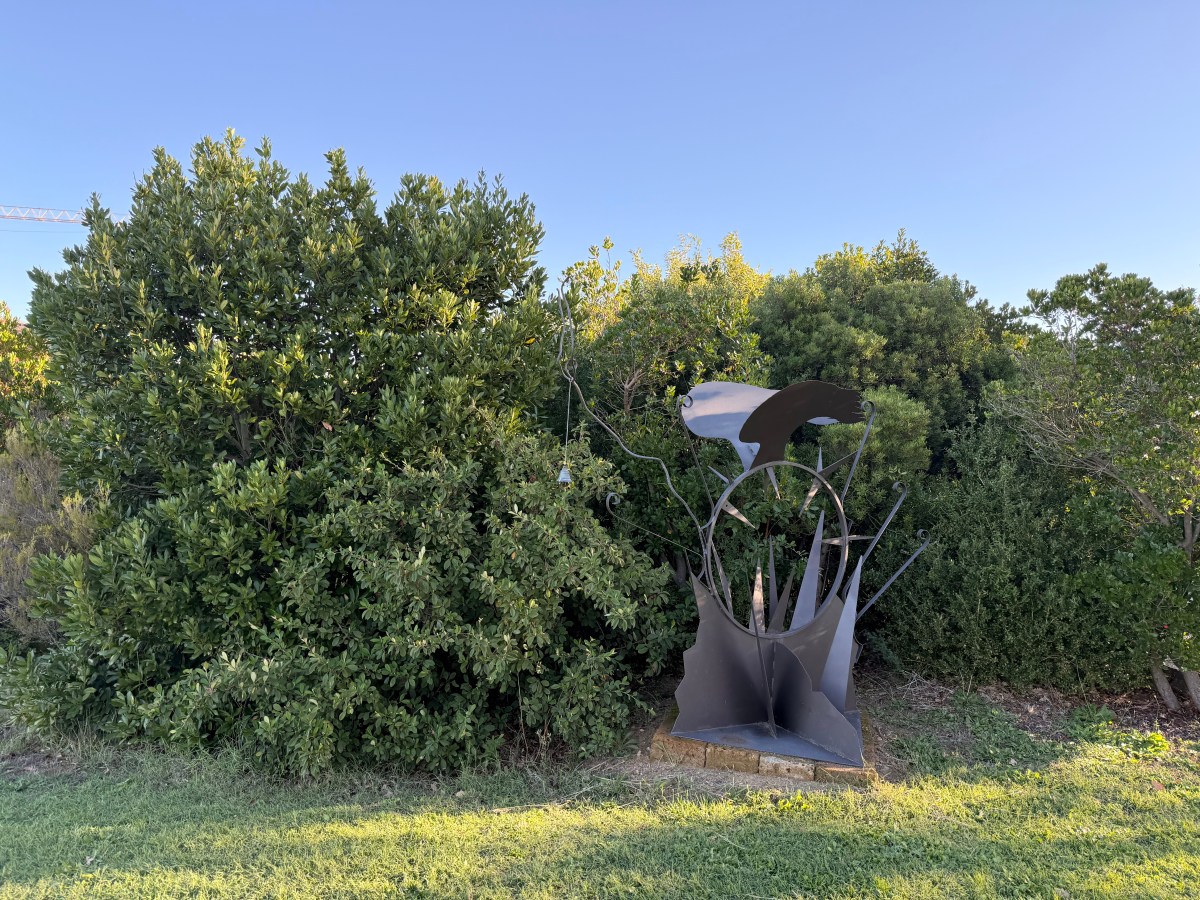
Between Hills and Horizons: A Week in Italy
This past week in Italy unfolded between landscapes and conversations, from the serene setting of the Monastery of Siloe to the alpine air of Trento. At Siloe, I had the privilege of speaking once again about the excavations at Alberese, a project born out of friendship and the shared desire to build something different from…
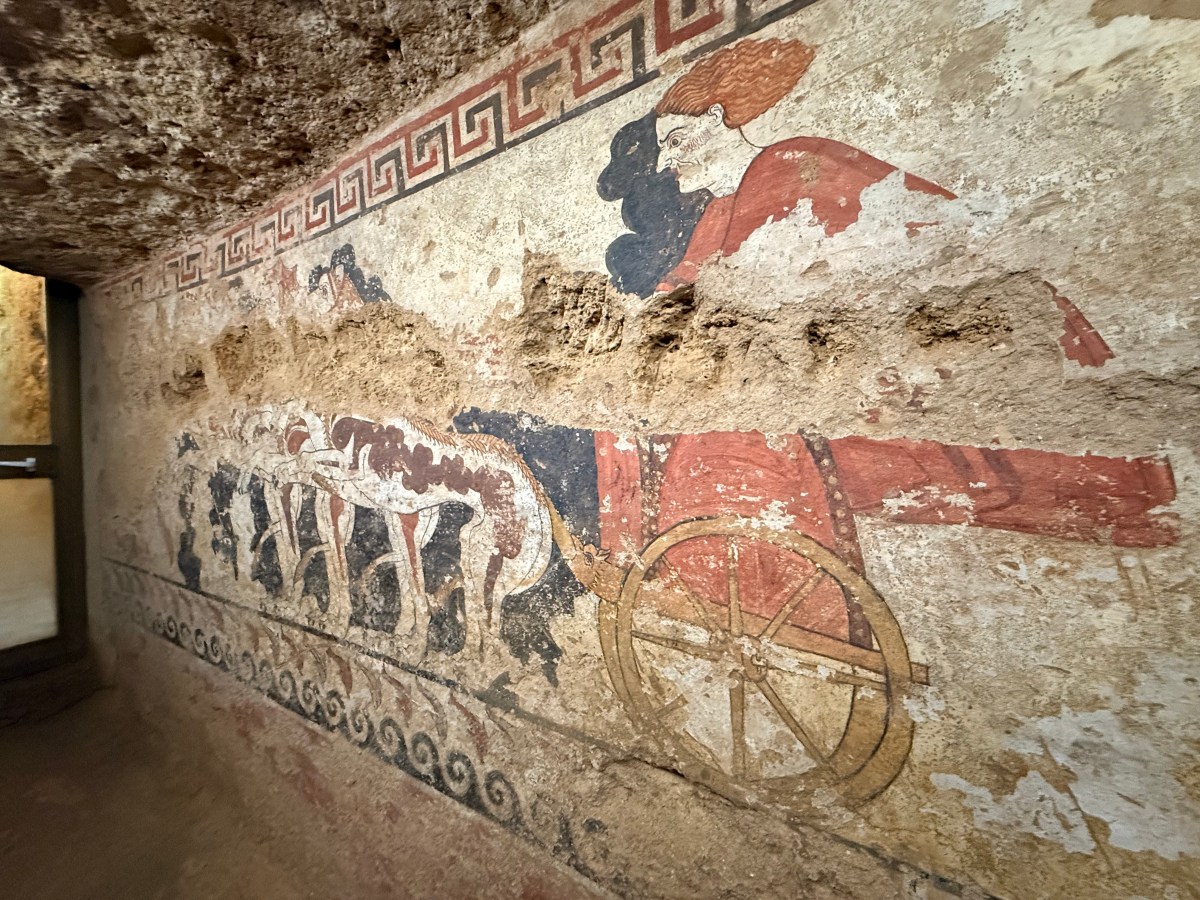
A Visit to the Tomb of the Infernal Quadriga
There are few sites where the Etruscan imagination of the afterlife compellingly evokes a sense of human experience like the Tomb of the Infernal Quadriga at Sarteano. Discovered just over ten years ago, this tomb retains a surprising amount of its painted decoration, a conjunction that will instantly pull you into the liminal space between…
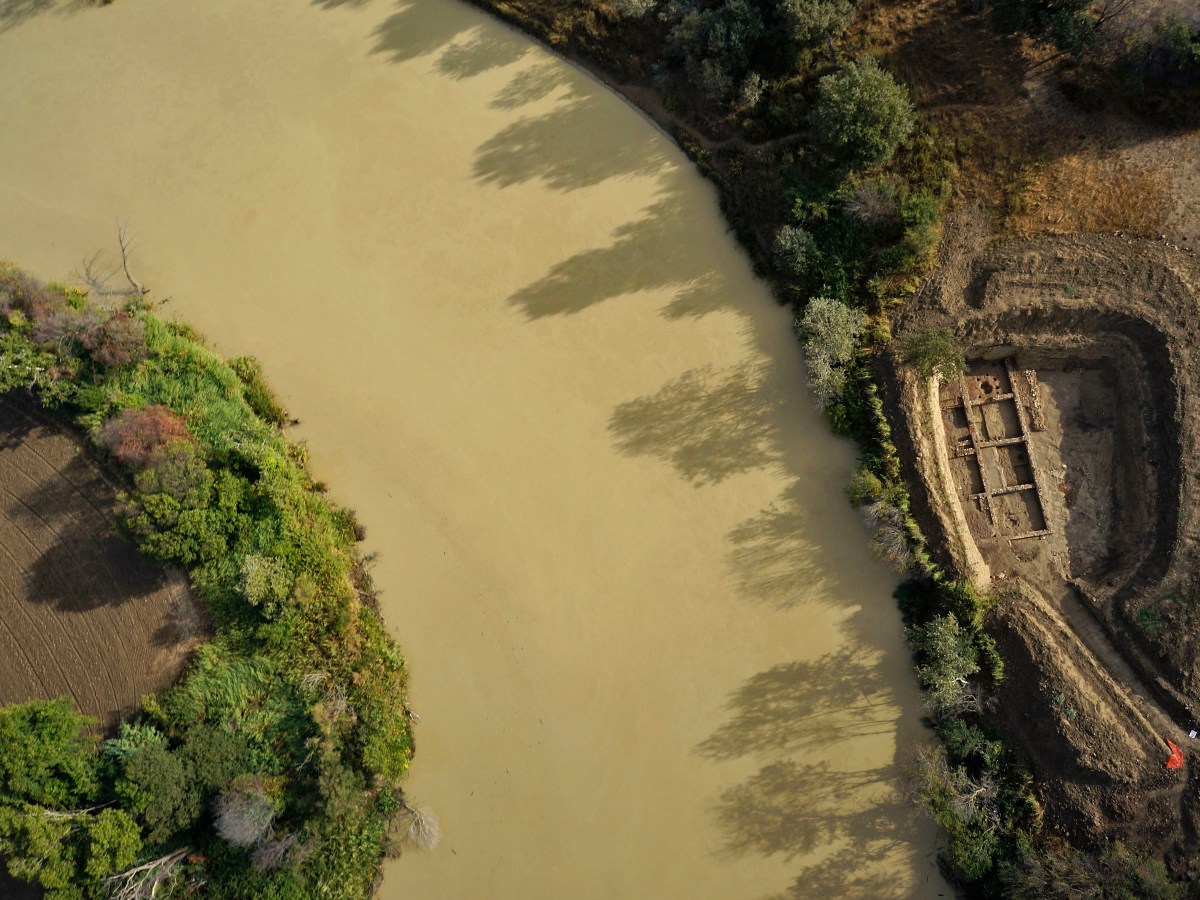
Rediscovering Spolverino: A Late Roman Manufacturing Hub in the Maremma
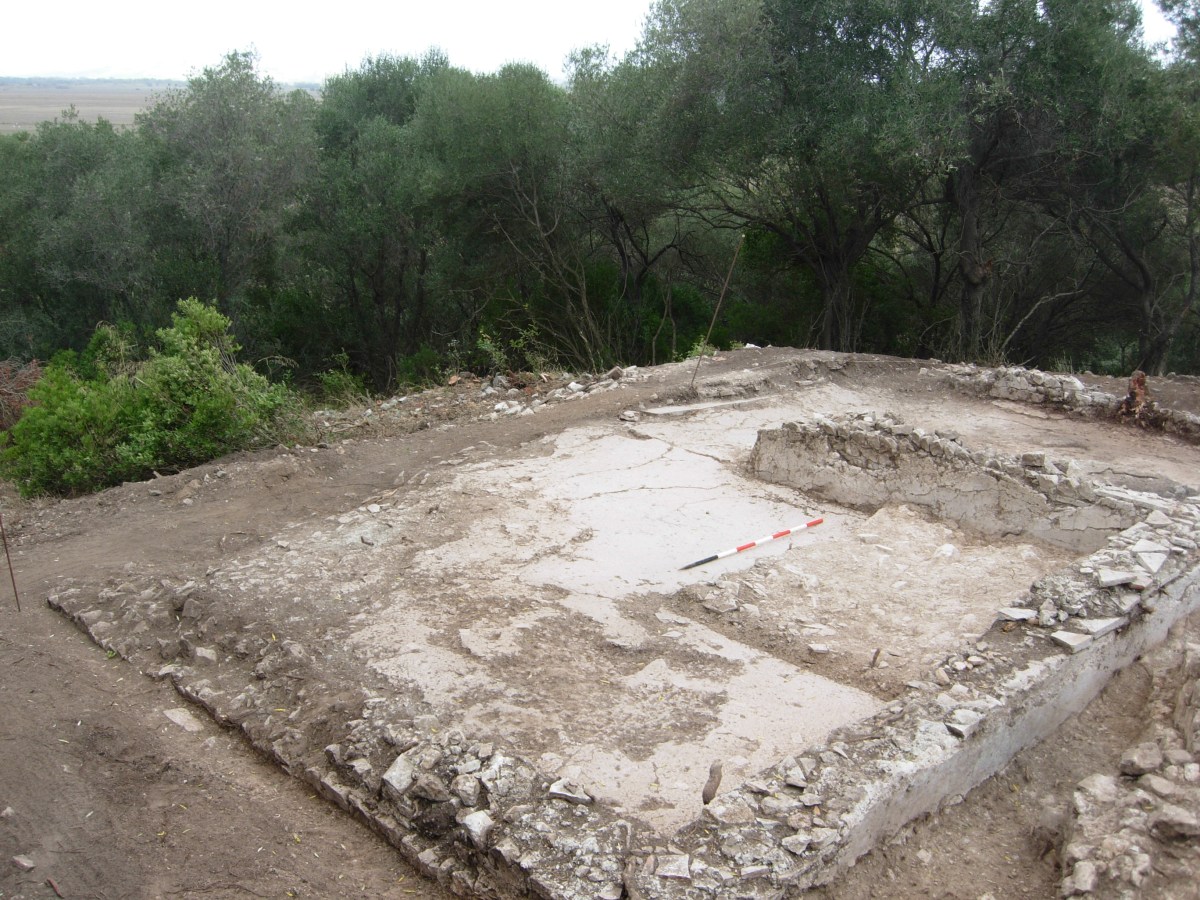
Between 2010 and 2014, the Alberese Archaeological Project carried out excavations at Spolverino, the second of three sites investigated within the Parco della Maremma, alongside the sanctuary of Diana Umbronensis at Scoglietto and the riverside settlement of Umbro Flumen. The site presented significant logistical difficulties. Located near the last bend of the Ombrone River, it…
Rediscovering the Sanctuary of Diana Umbronensis at Alberese
The sanctuary of Diana Umbronensis, in the Maremma near Alberese, is one of the most evocative places where archaeology and memory meet. The excavations started in 2009 and continued until 2011, involving more than eighty students in three campaigns. Together, they brought back to light a sacred space that was formerly at the center of…
Growing Together: A New Chapter for Our Department of Classics
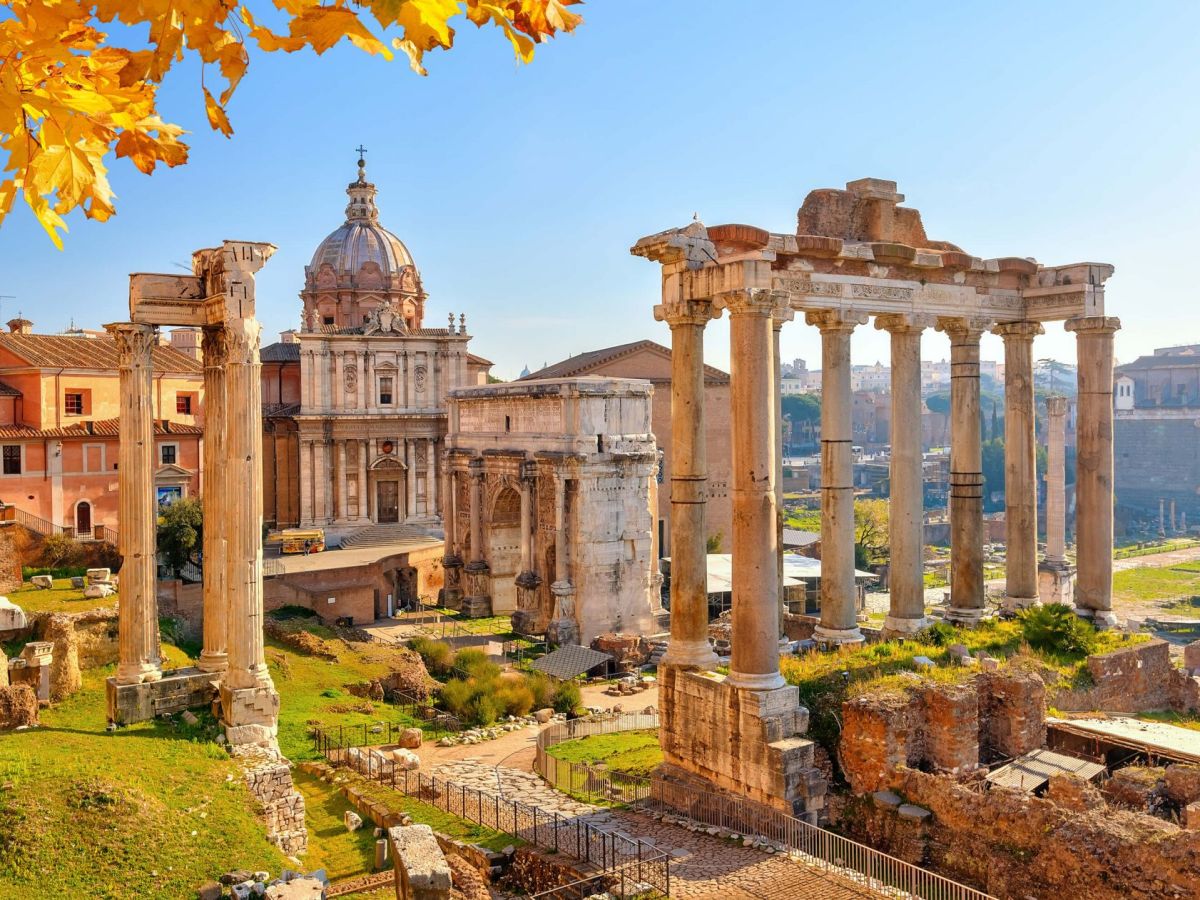
Stepping into the role of Chair of the Department of Classics at the University at Buffalo is both a profound honor and a humbling responsibility. Academic leadership, like the ancient past I encounter in my research, is not a linear road: it is layered, often unpredictable, and requires patience, vision, and resilience. In archaeology, every…
Where Time Sleeps in Stone: A Journey to Castello di Vicarello
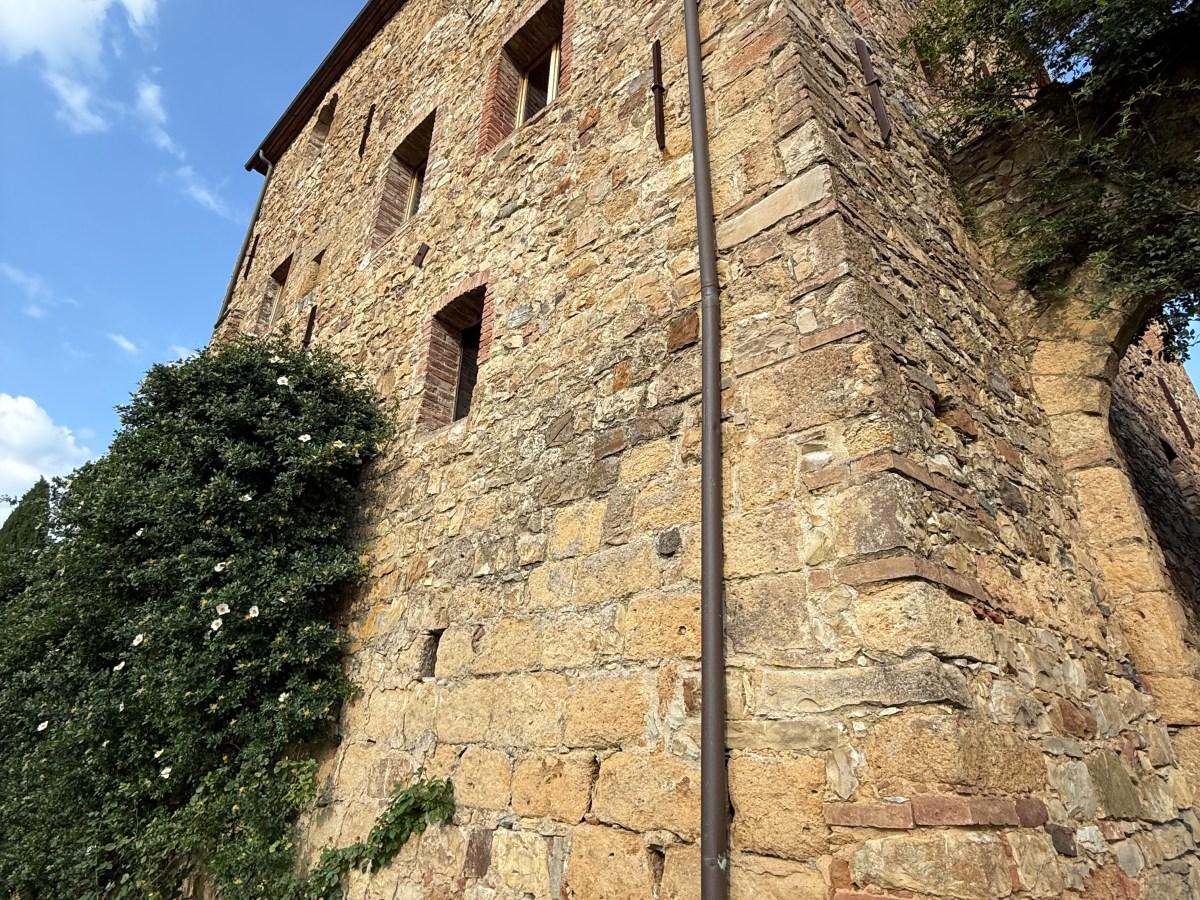
Hidden in the hills of southern Tuscany, not far from the village of Cinigiano, lies the Castello di Vicarello—a place where centuries of history and the elegance of modern comfort blend into a single, unforgettable experience. Once a medieval fortress guarding the Ombrone Valley, Vicarello has a long and storied history. Over time, it passed…
Castellaraccio 2025: New Evidence, Earlier Origins
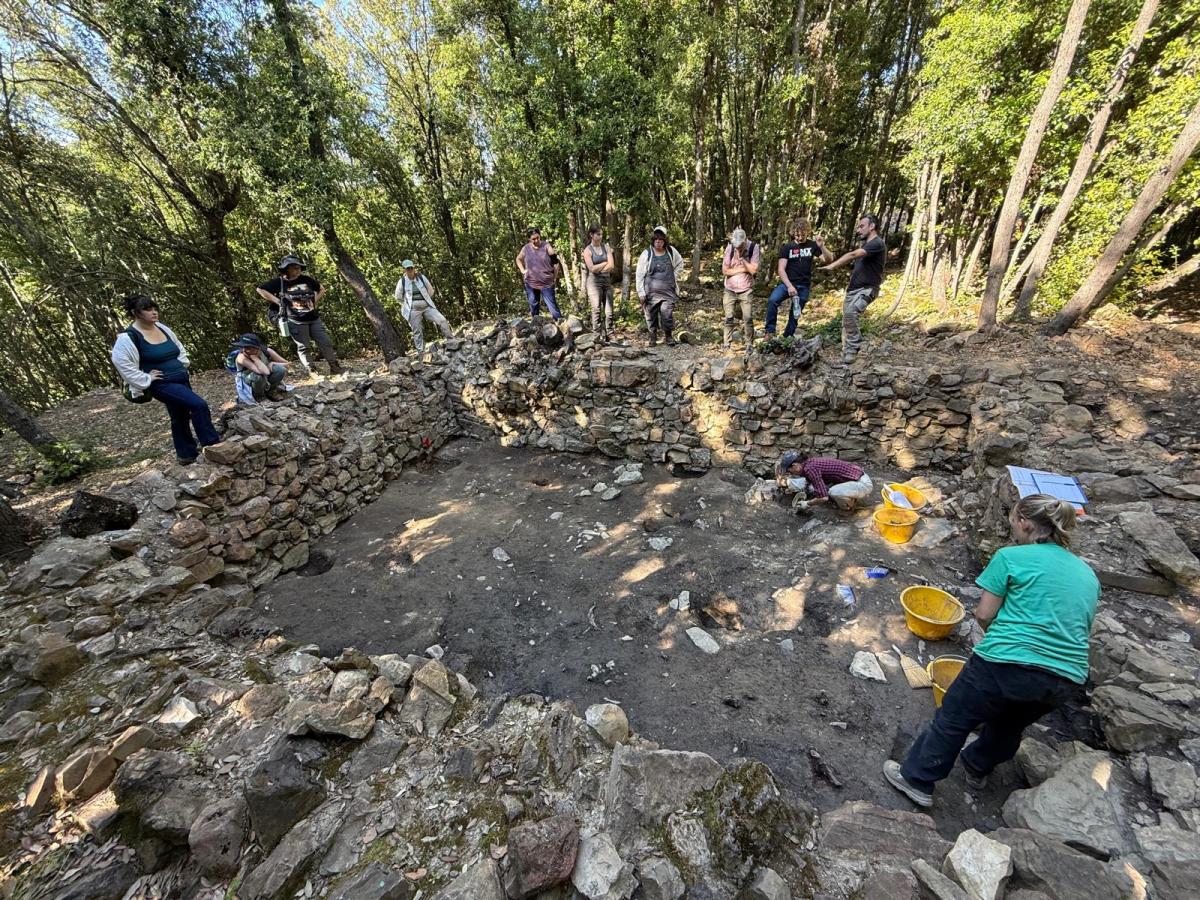
As the 2025 excavation campaign comes to an end, the site of Castellaraccio di Monteverdi has yielded new certainties—and promises even greater surprises in the near future. Thanks to the coordinated efforts of professional archaeologists, we were able to clarify the site’s occupational phases with greater precision by combining stratigraphic data with ceramic analysis. Perhaps…
Expanding Horizons: The 2025 Field Season at Podere Cannicci
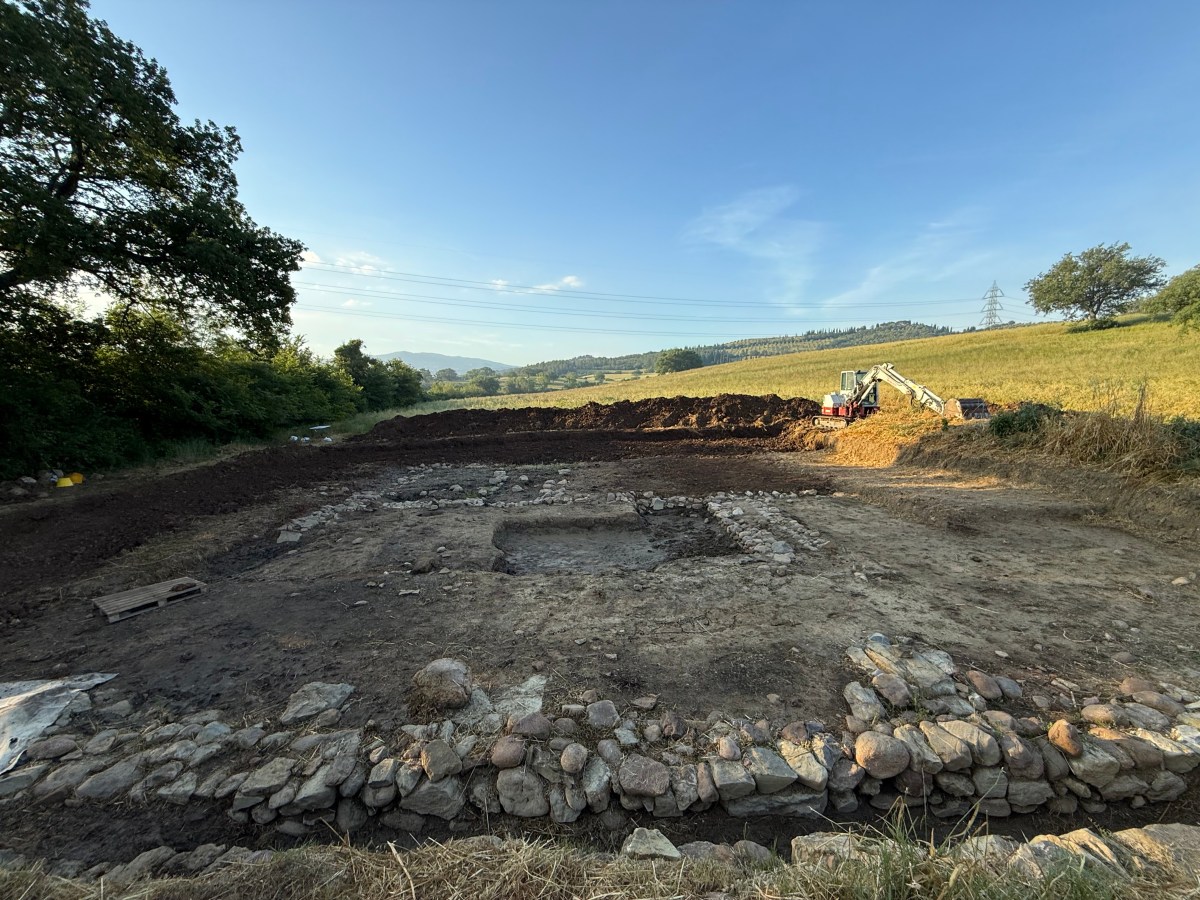
As the 2025 field season draws to a close, the excavation team at Podere Cannicci celebrates a campaign marked by significant discoveries and transformative insights. This year’s work has brought us closer than ever to understanding the full complexity of this late Etruscan and Republican rural settlement, set in the heart of the Ombrone River…
Argiano: A Harmonious Renaissance Along the Orcia
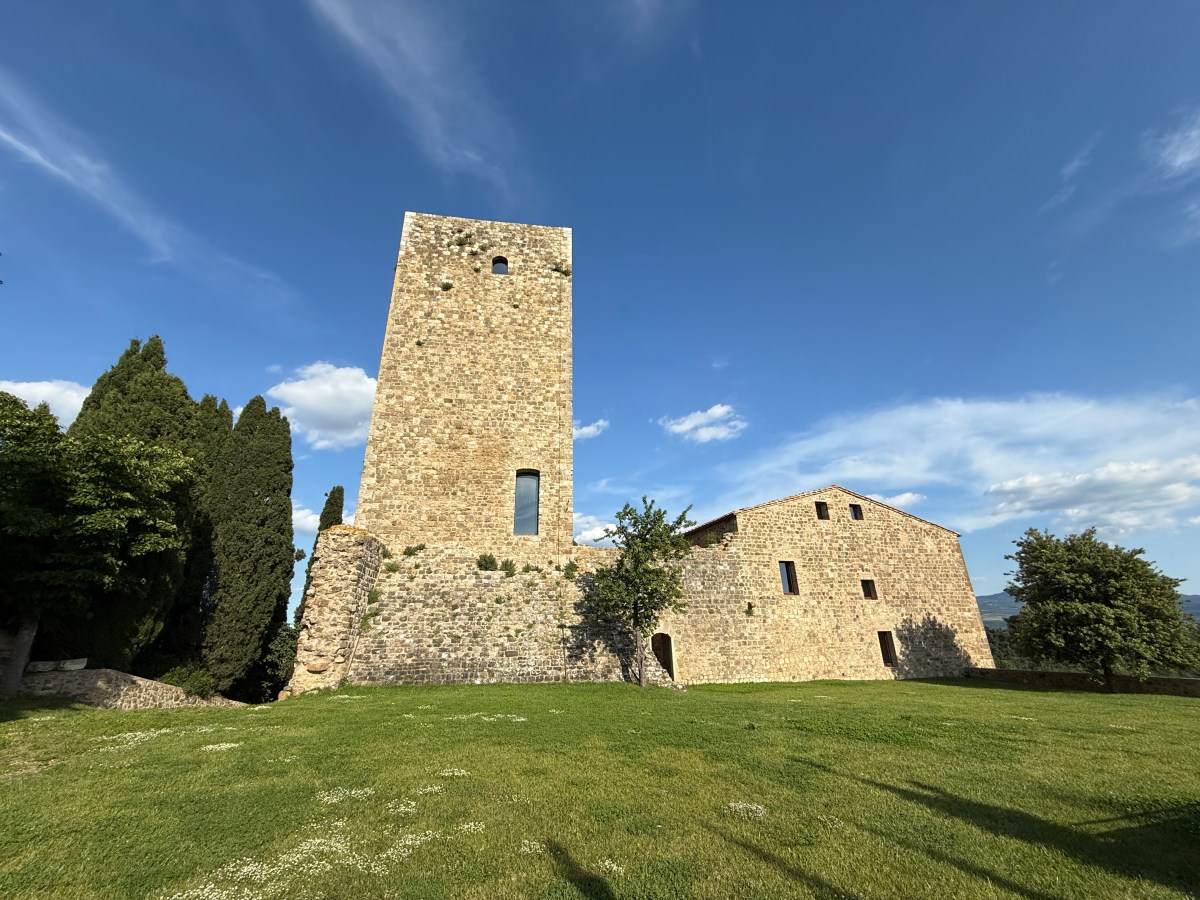
Nestled on a ridge above the quiet banks of the Orcia River, Argiano stands as a compelling example of how the past can be reclaimed without being overwritten. Once a medieval castle built to guard a vital defensive line through southern Tuscany, Argiano has now been thoughtfully restored by the Sesti family into a place…
A Groundbreaking Study on the Medieval Cemetery of Rusellae
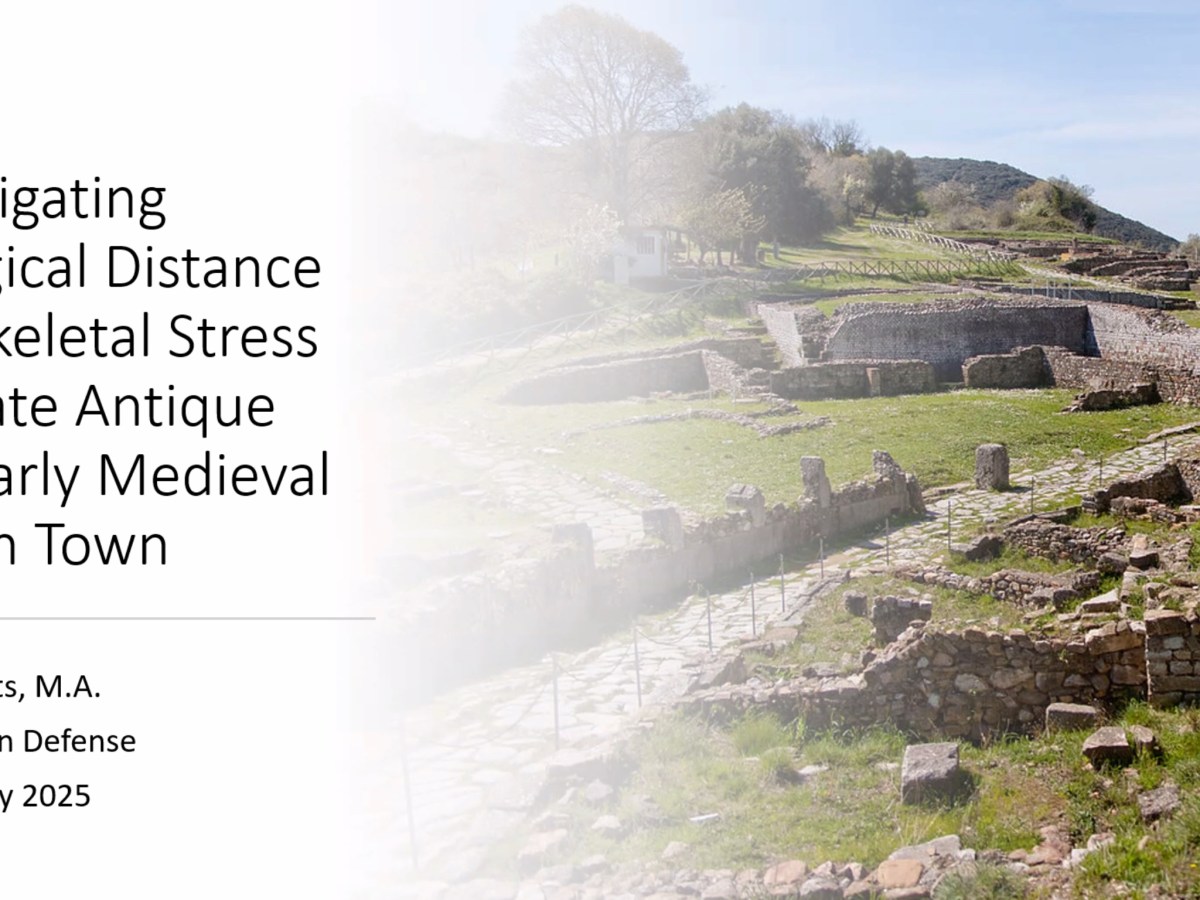
Yesterday, at Michigan State University, Alexis Goots successfully defended her PhD dissertation on the medieval cemetery of Rusellae. As a member of her committee, I had the privilege of engaging with her research—a project I collaborated on alongside Prof. Todd Fenton. Her dissertation presents groundbreaking and innovative data on human mobility, particularly between Late Antiquity…
Looking to the Future with Hope: The Role of New Generations in Cultural Heritage
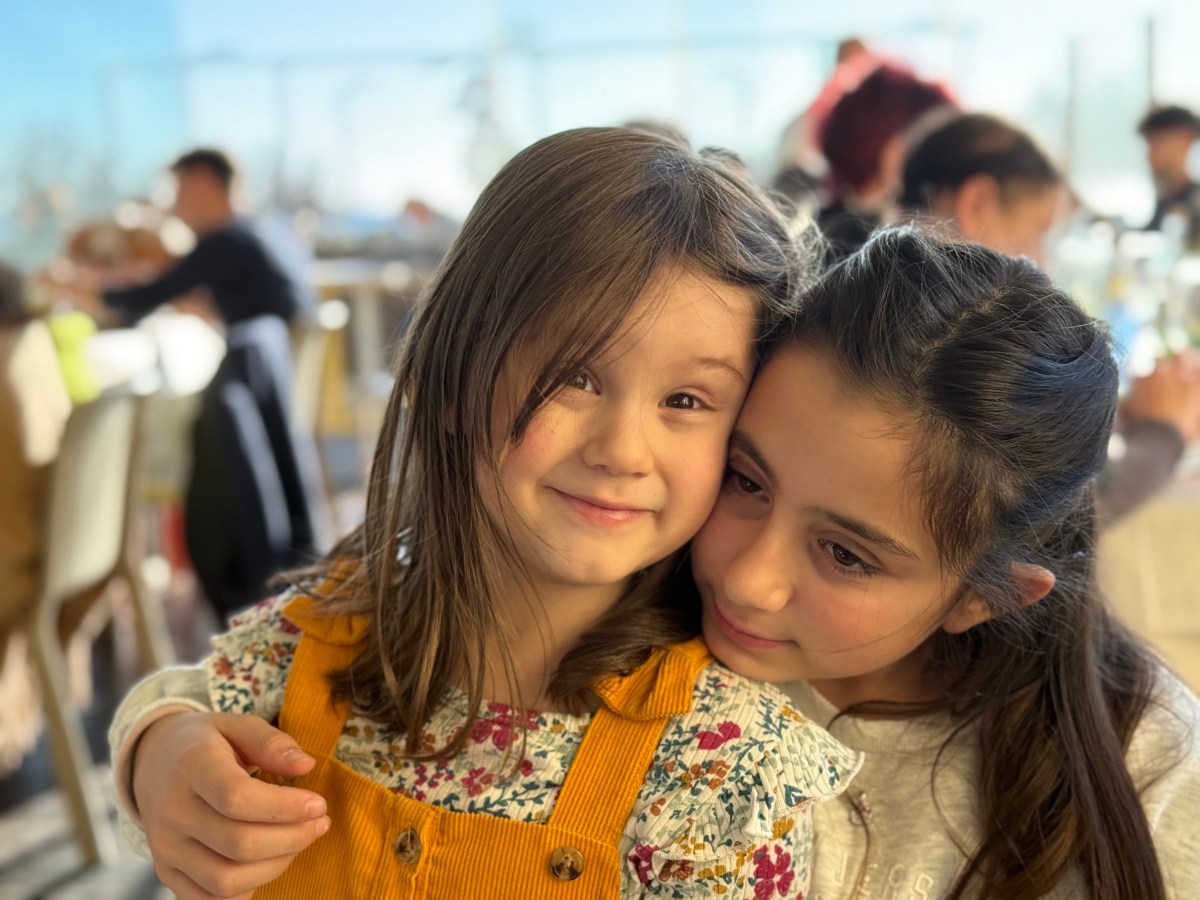
When I published the Italian edition of my book with Carocci (Roma antica e l’ideologia nazionale italiana. Trasformazioni di una città dal Risorgimento al fascismo), I dedicated it to my daughter Viola and my niece Aurora. In the brief dedication, I wrote that the future of cultural heritage belongs to their generation, implying our collective…
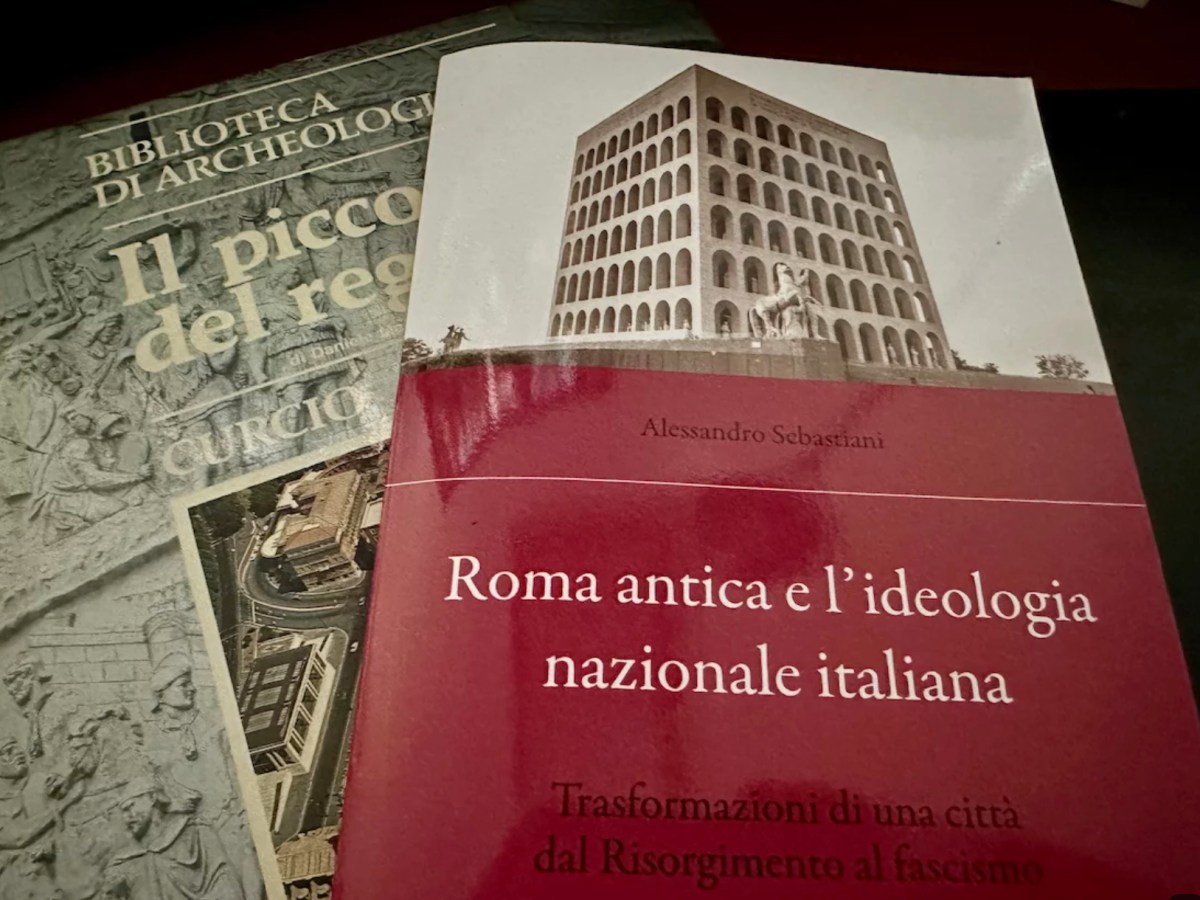
A Thoughtful Review of Roma Antica e l’Ideologia Nazionale Italiana
I am delighted to share an insightful review of my recent book, Roma Antica e l’Ideologia Nazionale Italiana. Trasformazioni di una città dal Risorgimento al fascismo, written by Angelo Cimarosti and published on his blog. Cimarosti’s review captures the core themes of my research, particularly the concept of placemaking and the ideological construction of identity-driven…
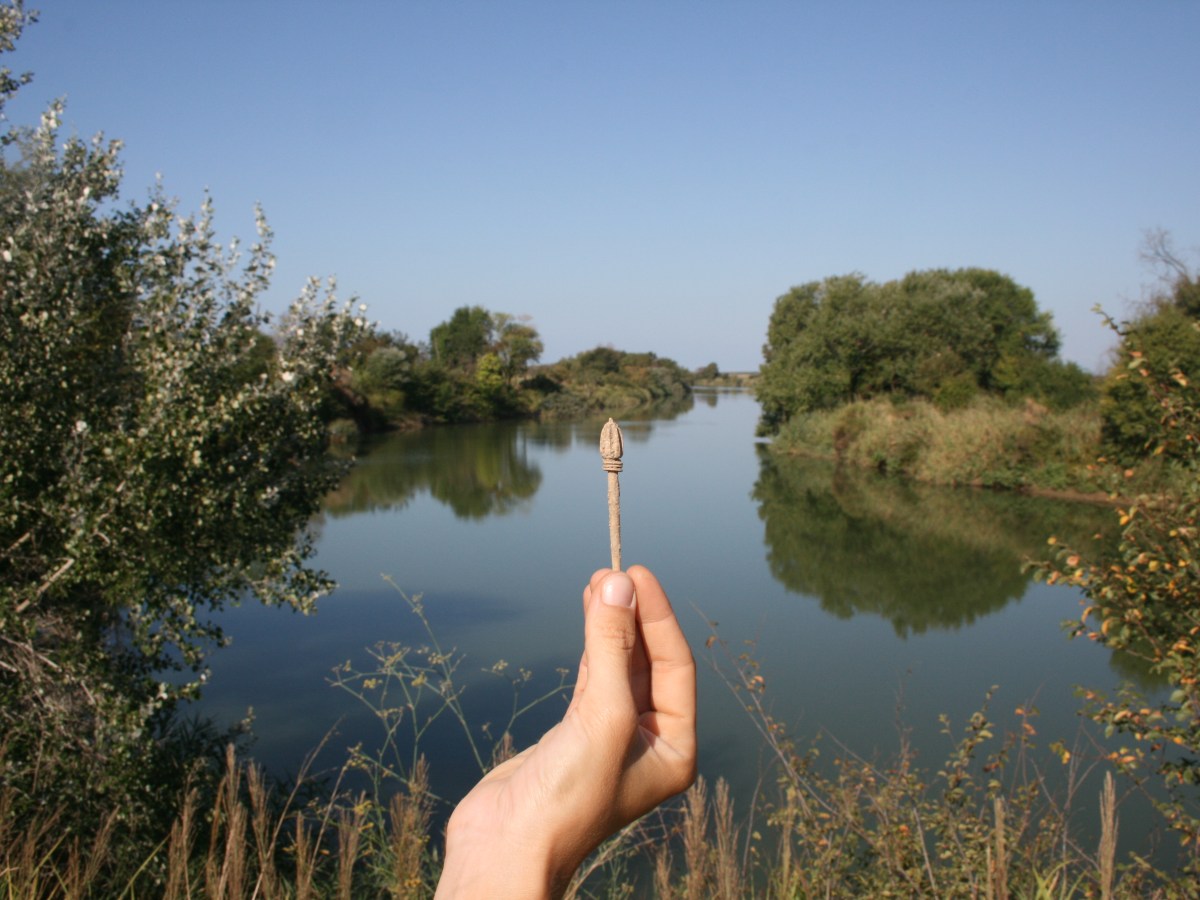
Unveiling a Unique Roman Bone Workshop at Spolverino
The Roman site of Spolverino, excavated as part of the Alberese Archaeological Project and now integrated into the IMPERO Project, has yielded a discovery unparalleled in its genre: a bone workshop providing a complete snapshot of ancient production techniques. This remarkable find sheds light on the intricate craftsmanship of late 2nd-century CE Roman artisans and…
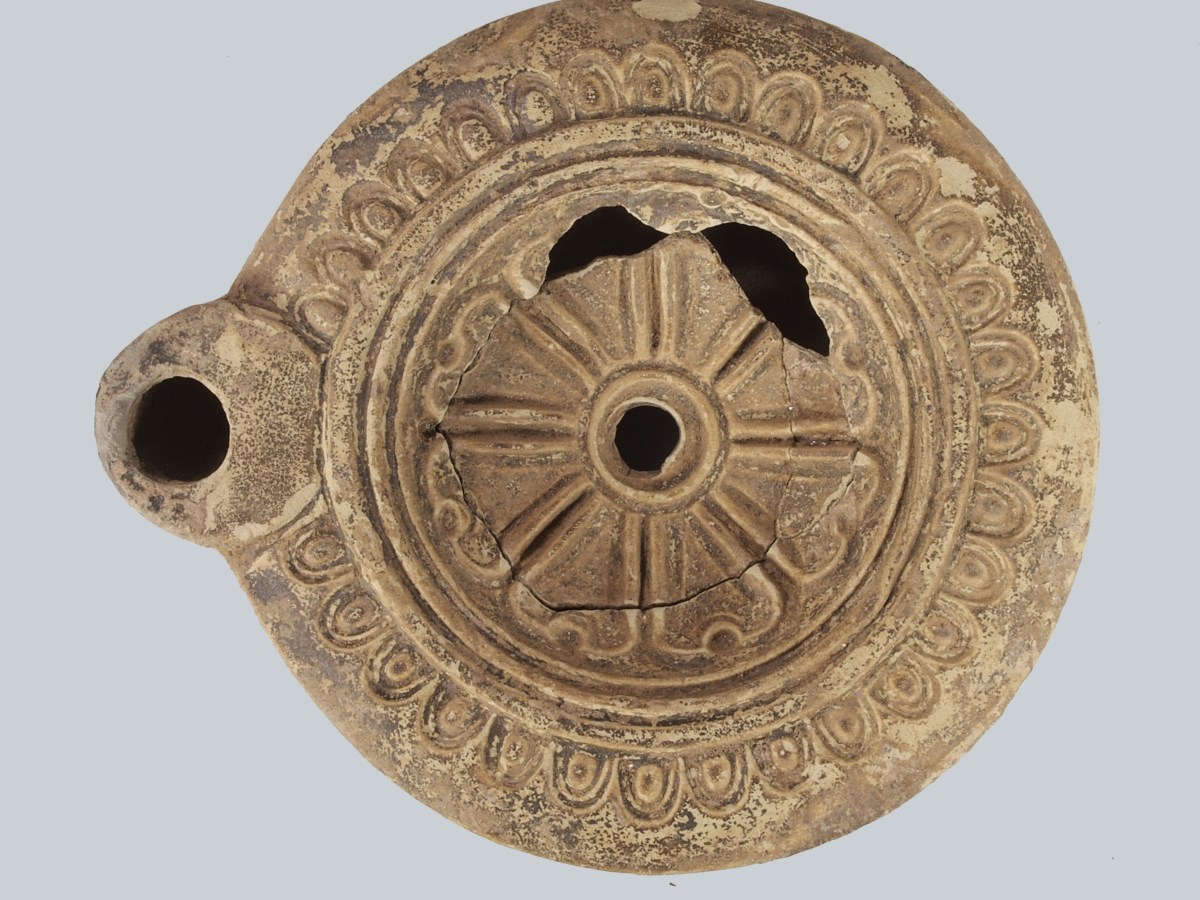
A Lamp for Diana Umbronensis
The sanctuary of Diana Umbronensis at Scoglietto, an ancient cult site dedicated to the Roman goddess, has yielded important finds that enrich our understanding of the ceremonial practices here between the Hellenistic period and Late Antiquity. Among the artifacts recovered is a Roman oil lamp, categorized as a Bailey O(iv), a type often associated with…
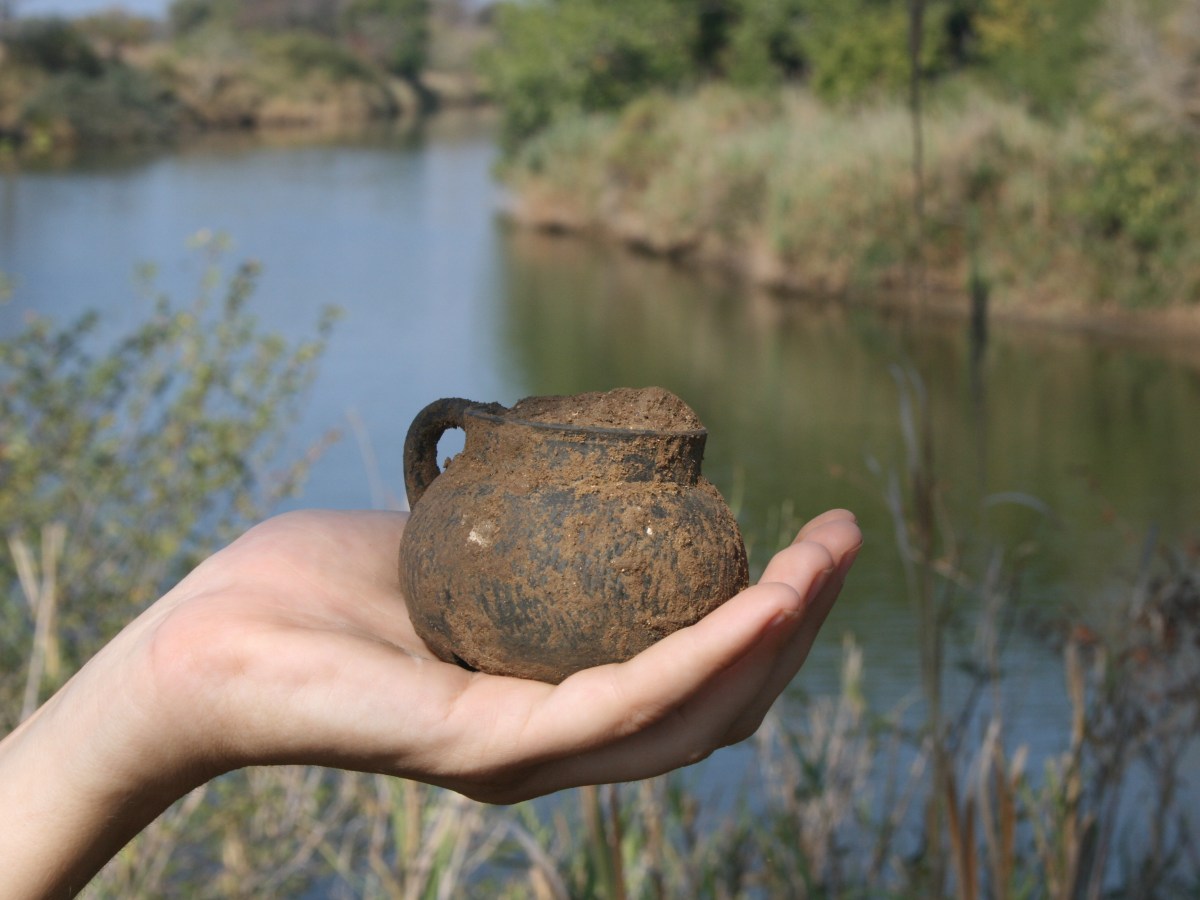
Collective Dining and Cooking in a Manufacturing District
Between 2011 and 2014, my colleagues Elena Chirico, Matteo Colombini, and I conducted excavations at Spolverino (Alberese, GR), uncovering evidence of what was once a bustling manufacturing district. In 2012, we made a fascinating discovery: collective kitchens dating from the late 2nd century CE and in use until the mid-5th century CE, offering unique insights…
New Scholarship!
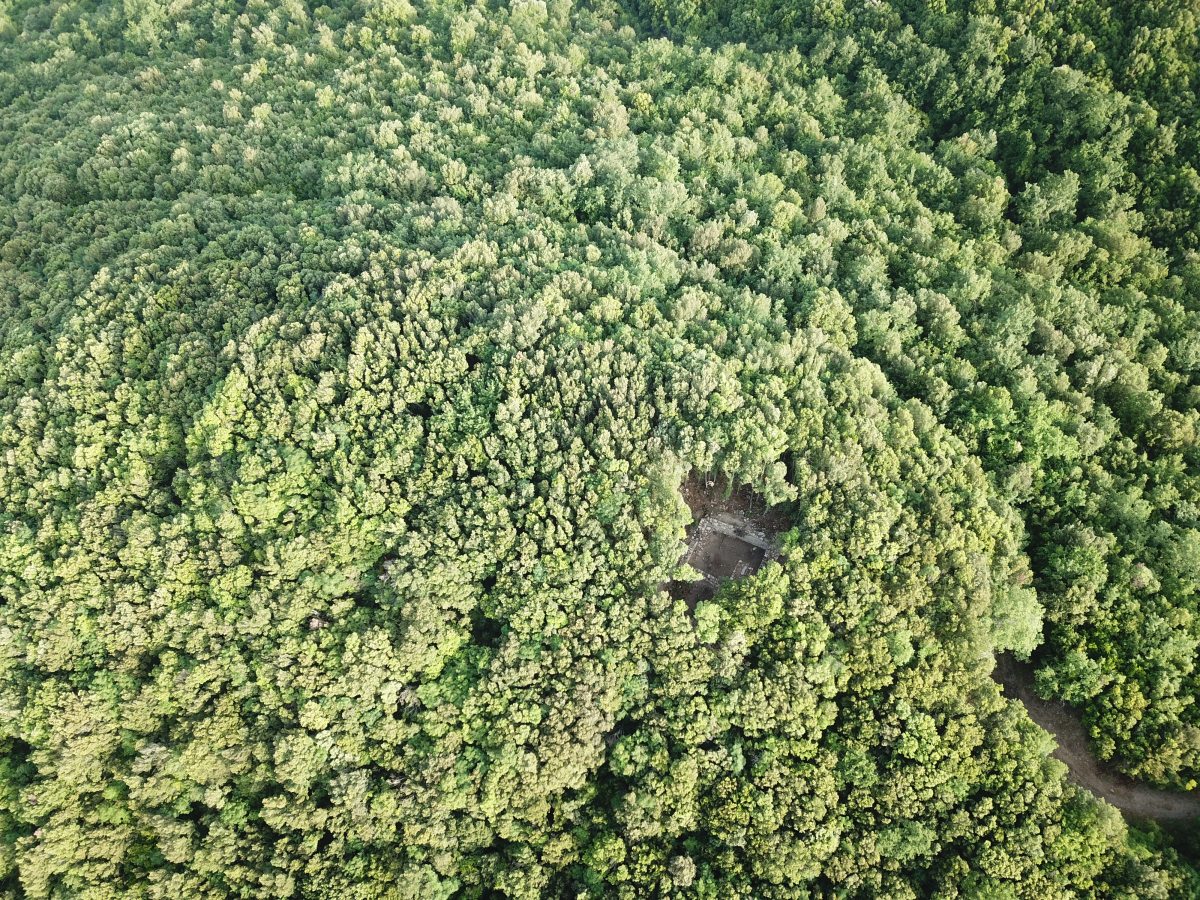
I’m excited to announce the recent publication of a paper in the Journal of Fasti Online, detailing the latest findings from the excavations at Castellaraccio di Monteverdi. This work highlights new insights into the settlement’s medieval architecture, daily life, and adaptive use of space within the Ombrone Valley. The paper details the stratigraphic analyses and…

Predictable Unpredictability: How America Found Itself in a Red Wave
America awoke almost in disbelief at Trump’s presidential victory. Few seemed aware of the red wave spreading across the nation, and even less so the Democratic establishment, which had staked everything on Kamala Harris. But was this victory truly so unpredictable? Weren’t there clear signals of a shifting tide? After nearly eight years in the…
Interview on Roma Antica e l’Ideologia Nazionale Italiana
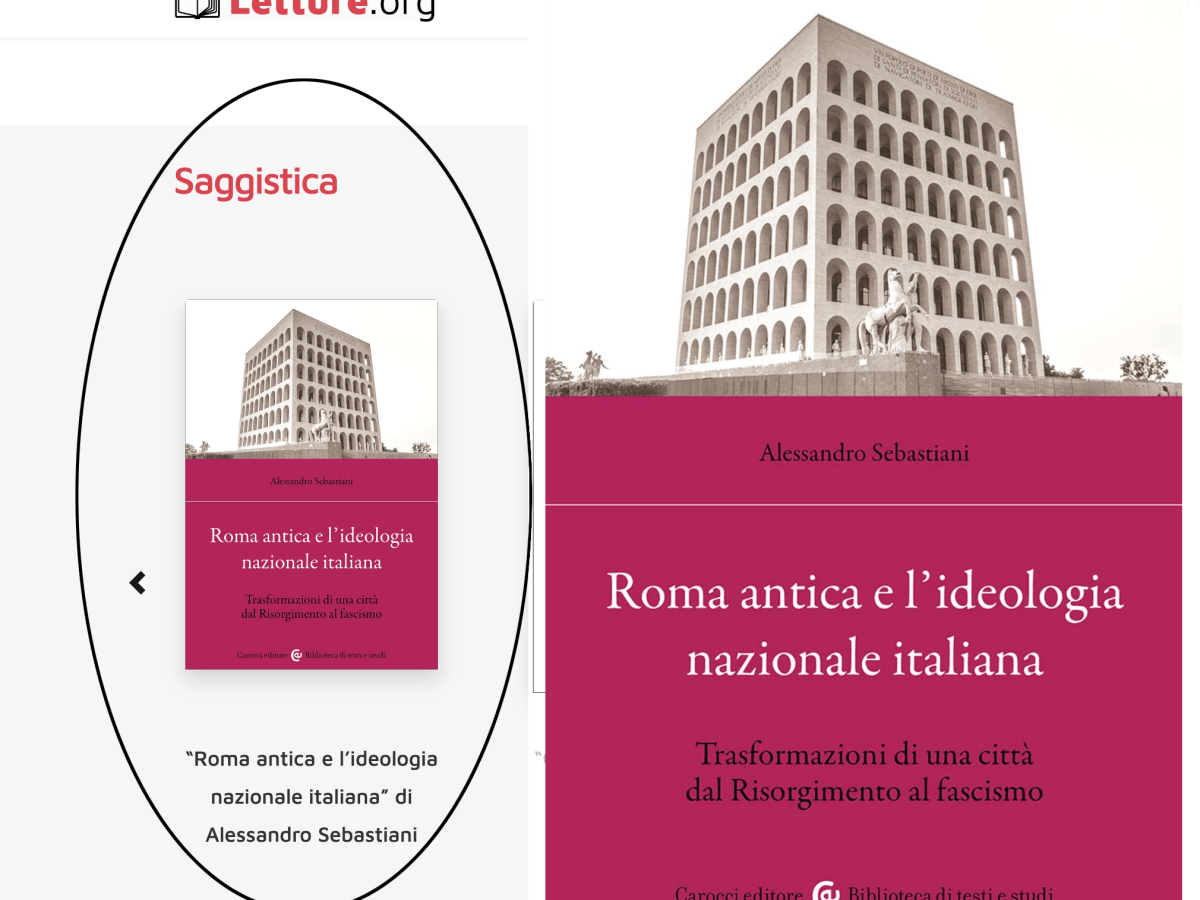
In a recent interview with Letture.org, I had the chance to discuss the themes of my latest book, Roma Antica e l’Ideologia Nazionale Italiana (Carocci). This volume examines the ideological reshaping of Rome’s classical monuments—from the Colosseum and Ara Pacis to the Mausoleum of Augustus and the EUR. The work explores how these structures were…
AWAS 2024 – Day 3 Reflections from the Third and Final Day
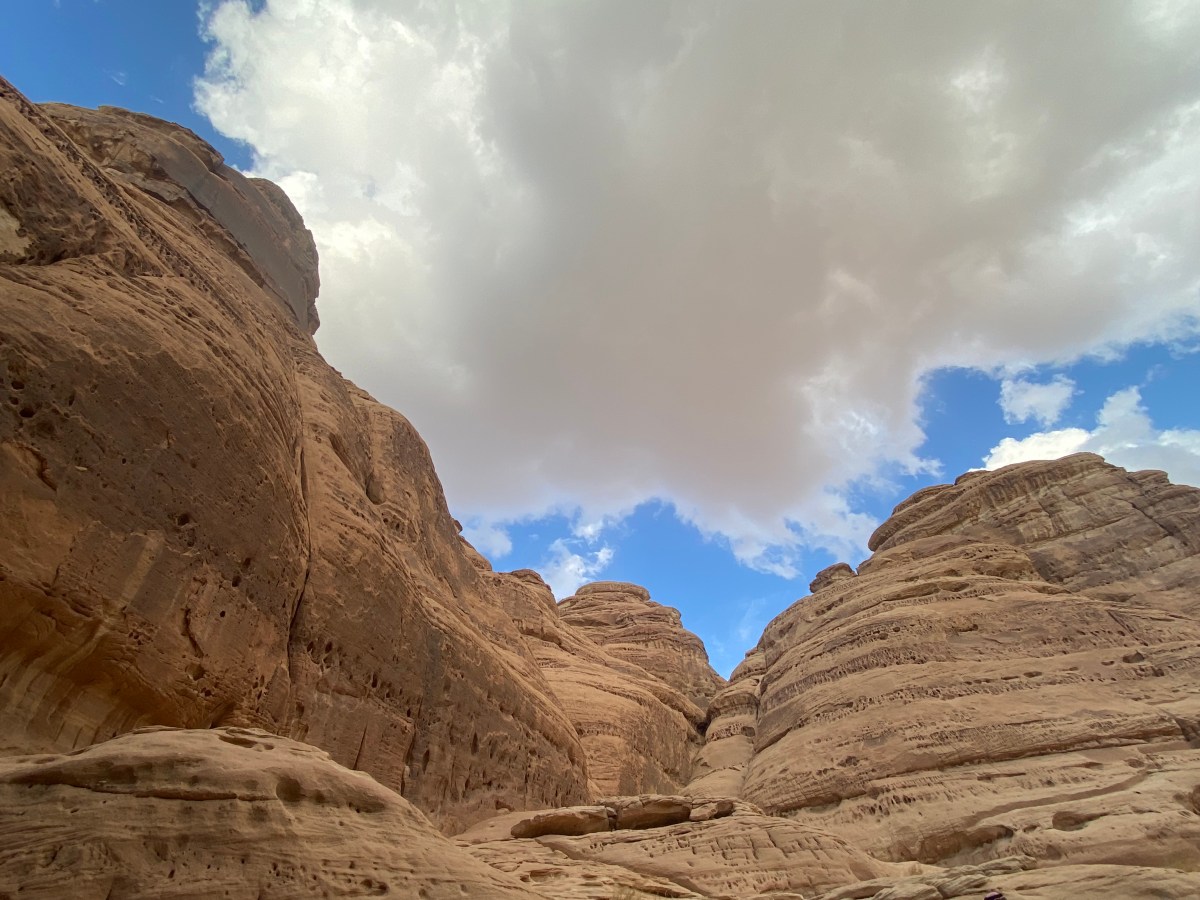
The third day at the Al-Ula World Archaeology Summit (AWAS) 2024 was as inspiring as it was thought-provoking, filled with powerful discussions and a spectacular conclusion under the desert sky. Mr. Peter DeBrine, Senior Project Officer for UNESCO, opened the day with a compelling address on the intersection of cultural heritage, identity, and local communities.…
AWAS 2024 – Day 2 Insights, Innovation, and Desert Magic
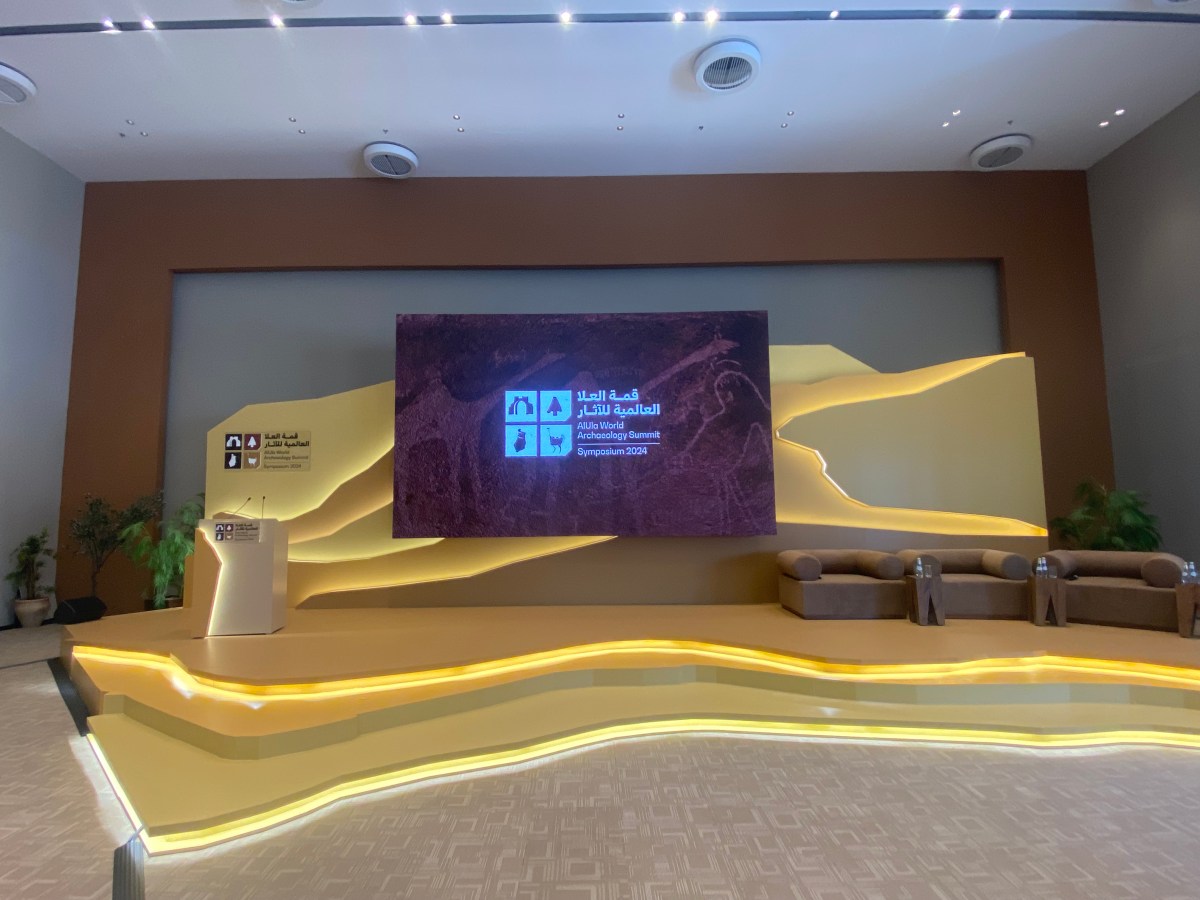
Today marked the official start of the symposium at the Al-Ula World Archaeology Summit (AWAS 2024), diving into a day of compelling keynote talks. Scholars, researchers, and local stakeholders gathered to explore complex themes such as mobility, connectivity, placemaking, identity, and the role of local communities in heritage work. Each talk introduced innovative perspectives, sparking…
AWAS 2024 – Day 1
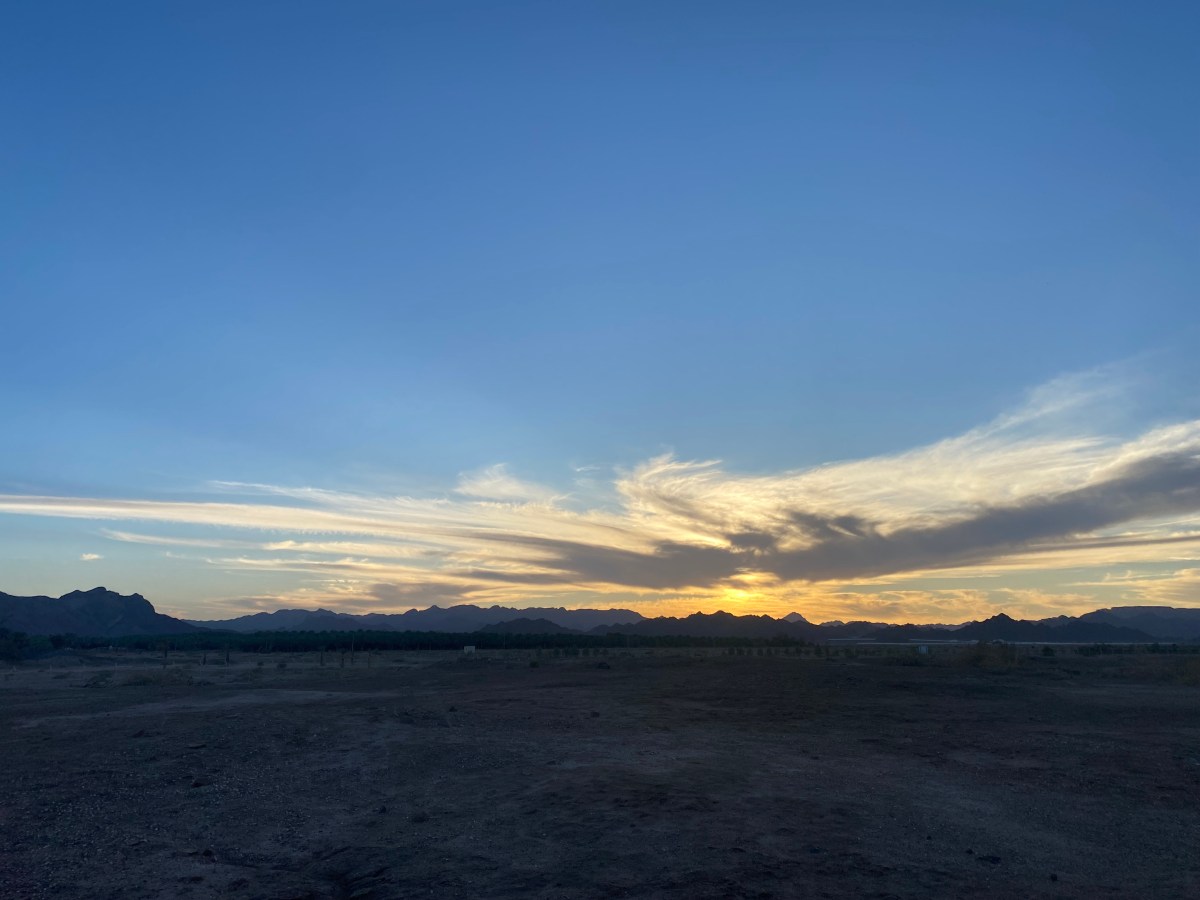
Today marked the unofficial start of the AlUla World Archaeology Summit (AWAS 2024), a gathering of minds and passions from across the globe, all converging in the extraordinary landscape of AlUla. Our day began with travel from Riyadh, winding through desert landscapes and historic sites, each mile bringing us closer to a region steeped in…
New Book!
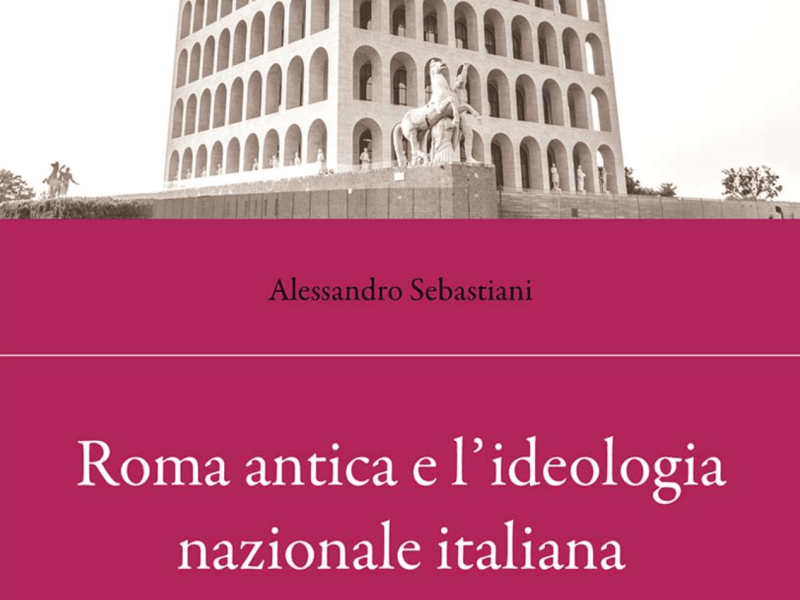
I’m thrilled to announce the release of my new book, Roma Antica e l’Ideologia Nazionale Italiana. Trasformazioni di una città dal Risorgimento al fascismo, published by Carocci Editore. This volume delves into the ideological manipulation of Rome’s ancient monuments as part of constructing an Italian national identity from the unification of Italy through the end…
Memory Places: Tracing Our Past in Stones and Forests
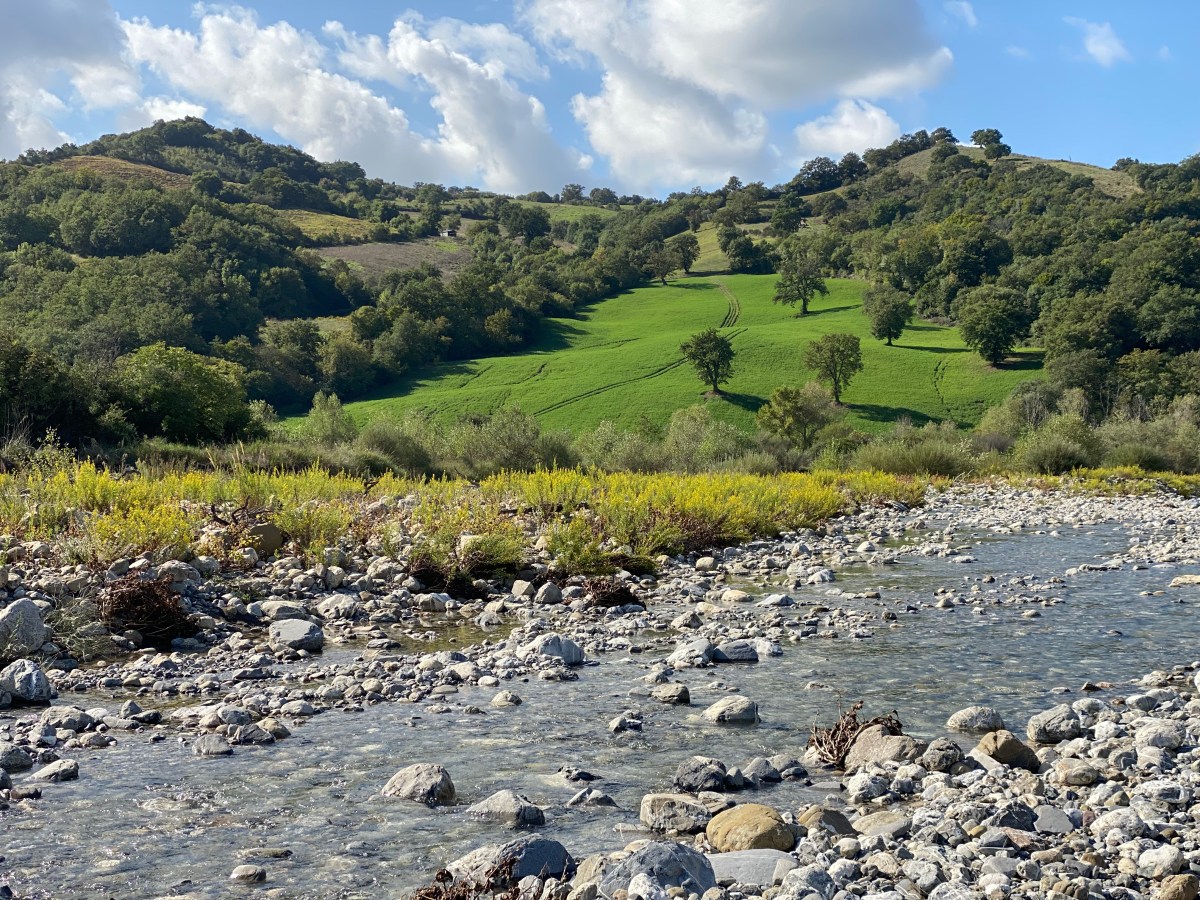
As archaeologists, we often study monuments—tangible relics of the past built to commemorate, celebrate, or preserve the memory of people, events, or ideals. These stone, brick, and marble edifices are carefully constructed representations of collective memory, woven into the historical fabric of communities. They mark important events and embody the aspirations or values of the…
Ostia Antica Beyond Its Roman Past
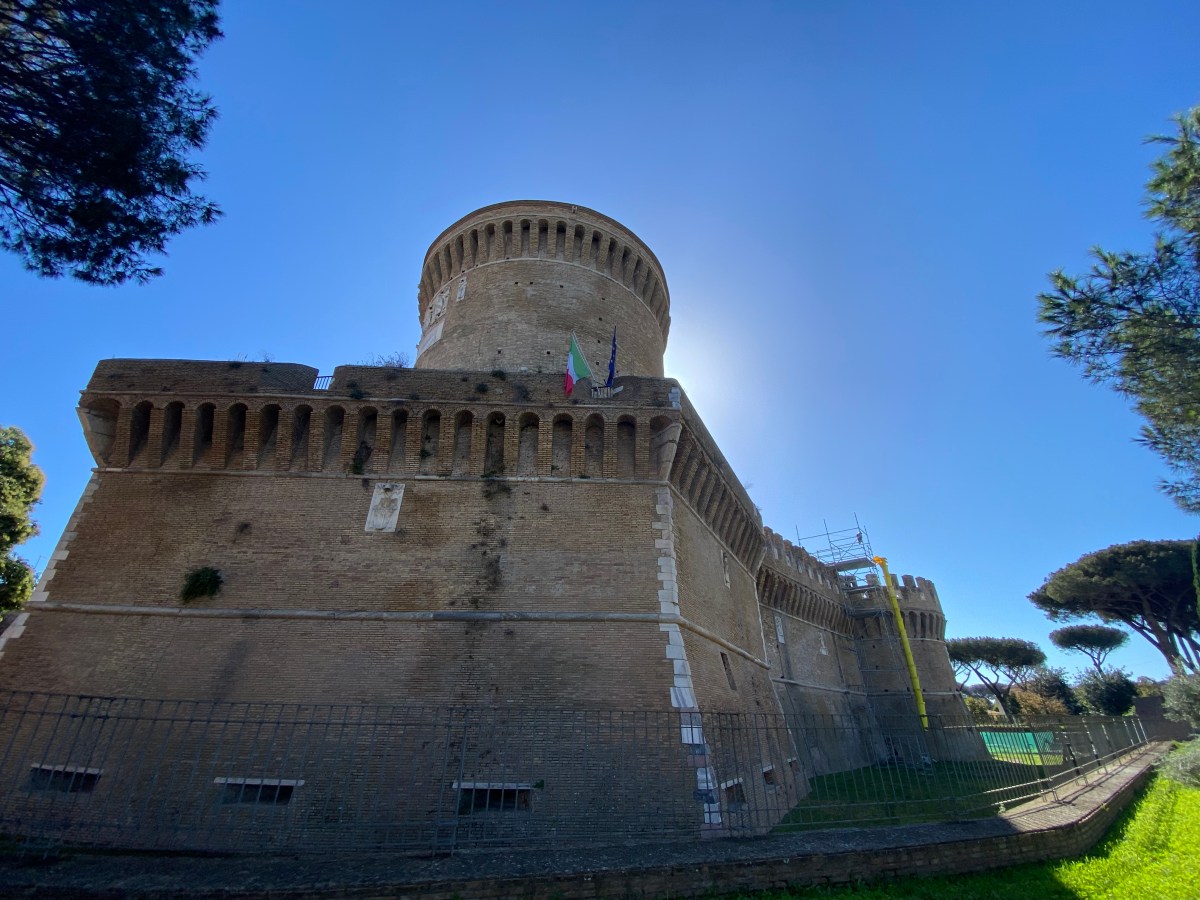
When most people think of Ostia Antica, they imagine bustling Roman streets, grand bath complexes, and lively markets. However, a fascinating chapter of Ostia’s history is often overlooked—the Rocca di Giulio II. This fortress towers over the site, providing a window into a much later period of the area’s evolution. Built in the late 15th…
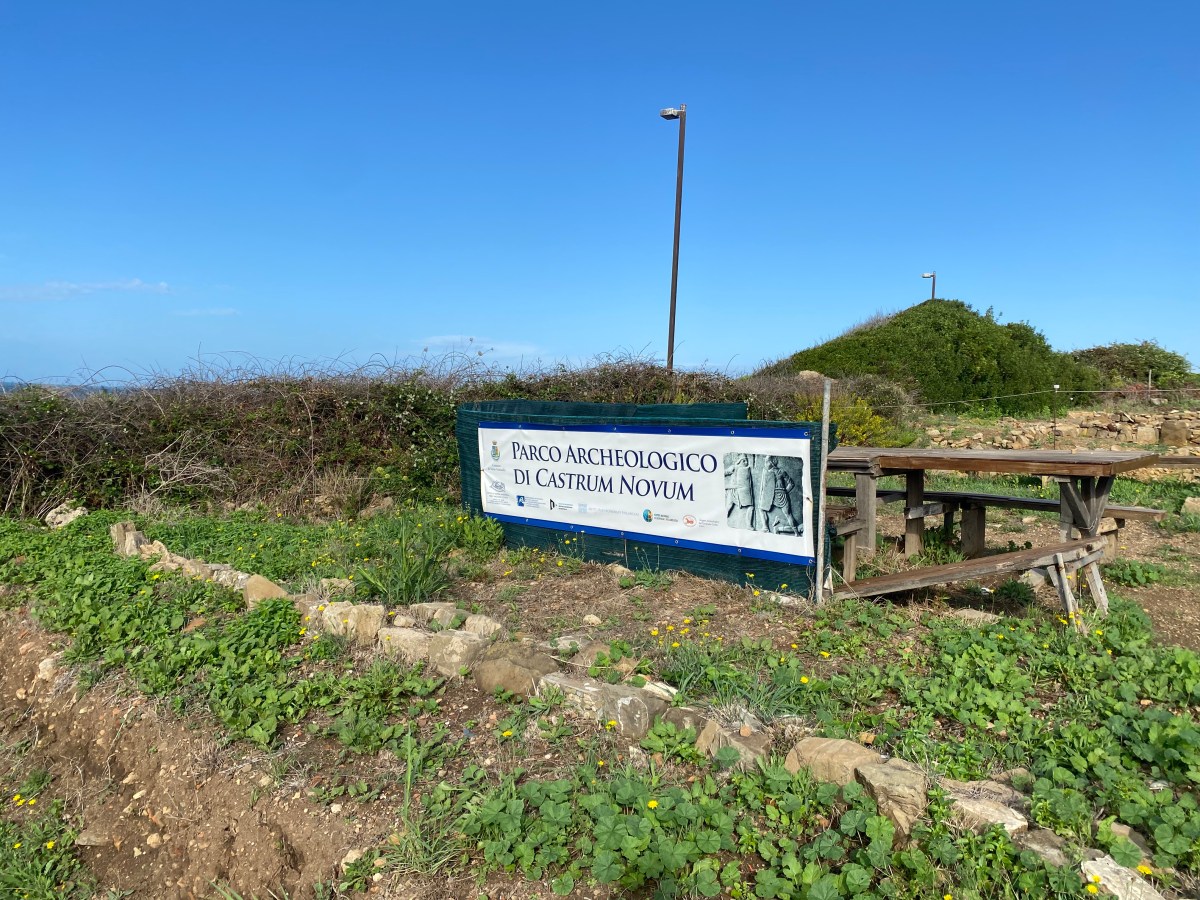
Castrum Novi
At Castrum Novi, the research conducted by Dr. Flavio Enei and his team has brought to light remarkable insights into the early history of this ancient settlement. The discovery of the colony, established in the 3rd century BCE, marks an important chapter in Roman territorial expansion along the Tyrrhenian coast. Dr. Enei’s excavations have not…
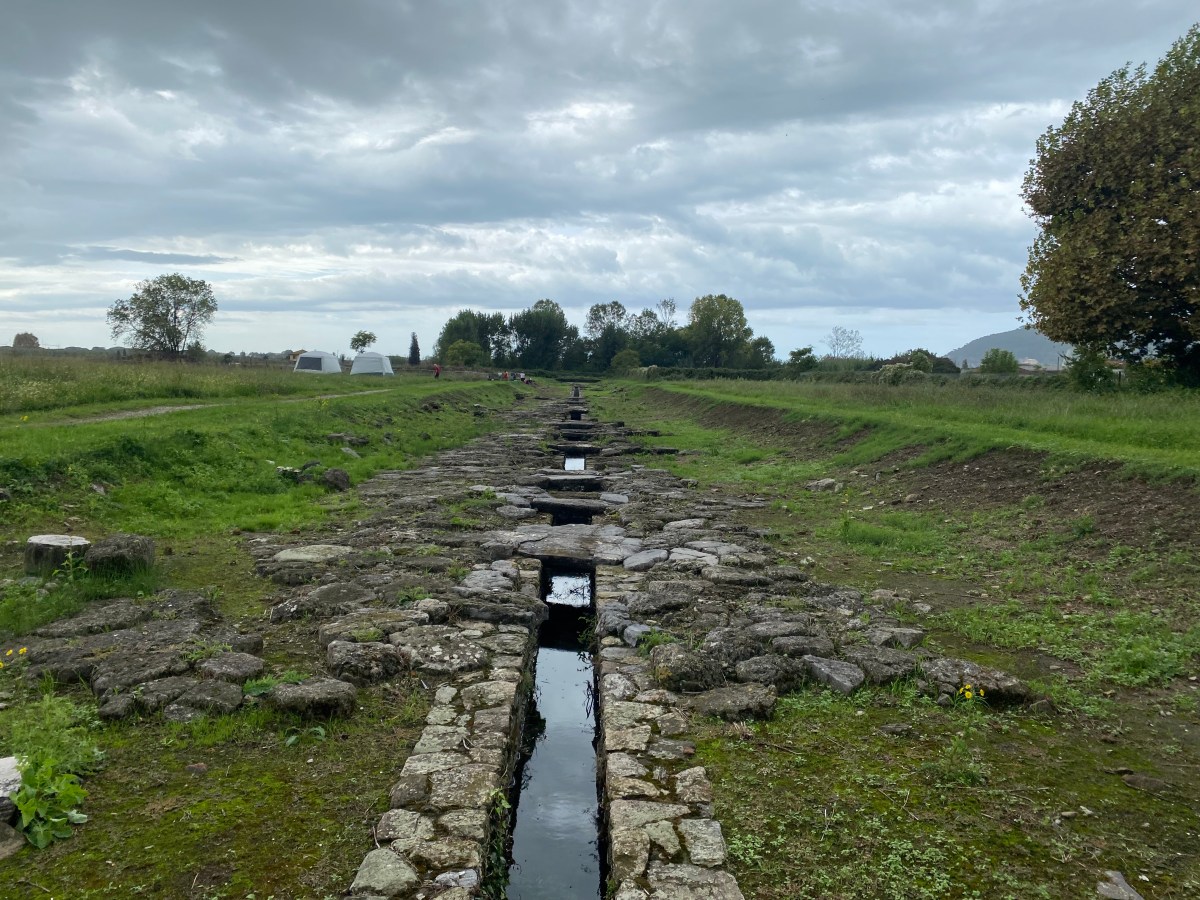
Luni
I recently had the opportunity to visit the ancient Roman city of Luni, a site that never ceases to amaze with its wealth of archaeological remains and ongoing research. This visit was particularly special as I was able to meet my colleague Simonetta Menchelli and her dedicated team, whose work in the field has been…
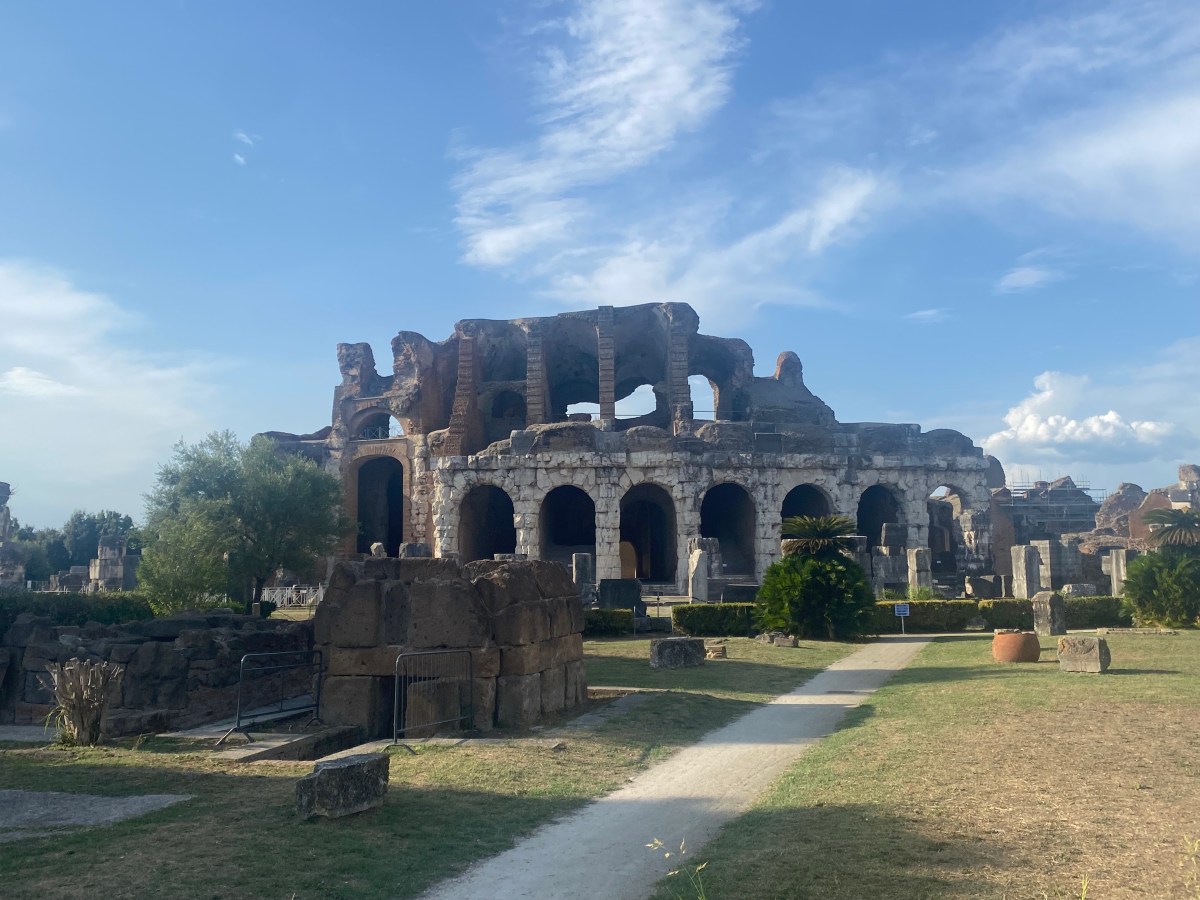
The Amphitheater of Santa Maria Capua Vetere
My first encounter with the amphitheater at Santa Maria Capua Vetere was serendipitous, coinciding with a trip to a conference nearby. Wandering through the ancient ruins, I was immediately struck by the sheer scale and the palpable sense of history that enveloped the site. Standing in the arena, it was impossible not to imagine the…
Reflecting on the EAA 2024 Conference in Rome
The European Association of Archaeologists (EAA) Annual Meeting, held in Rome from August 28-31, 2024, was a landmark event for the global archaeological community. This conference brought together professionals, scholars, and enthusiasts from all corners of the world, providing an invaluable platform for the exchange of ideas, research, and experiences. Here’s why attending the EAA…
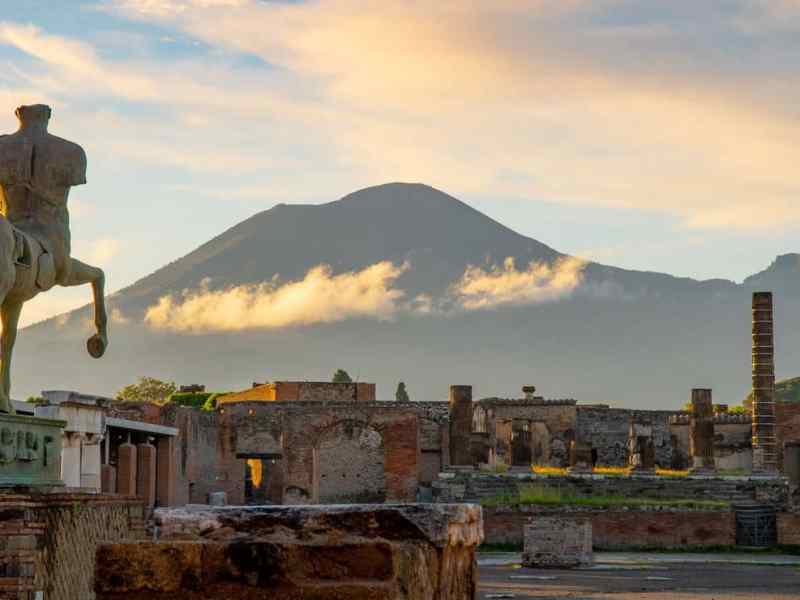
Interview on Pompeii
I am pleased to share that I recently had the honor of being interviewed by the Miami Herald alongside esteemed colleagues regarding the latest discoveries at Pompeii. This opportunity to contribute to the ongoing discourse on one of the most significant archaeological sites in the world is both humbling and exhilarating. The interview focused on…
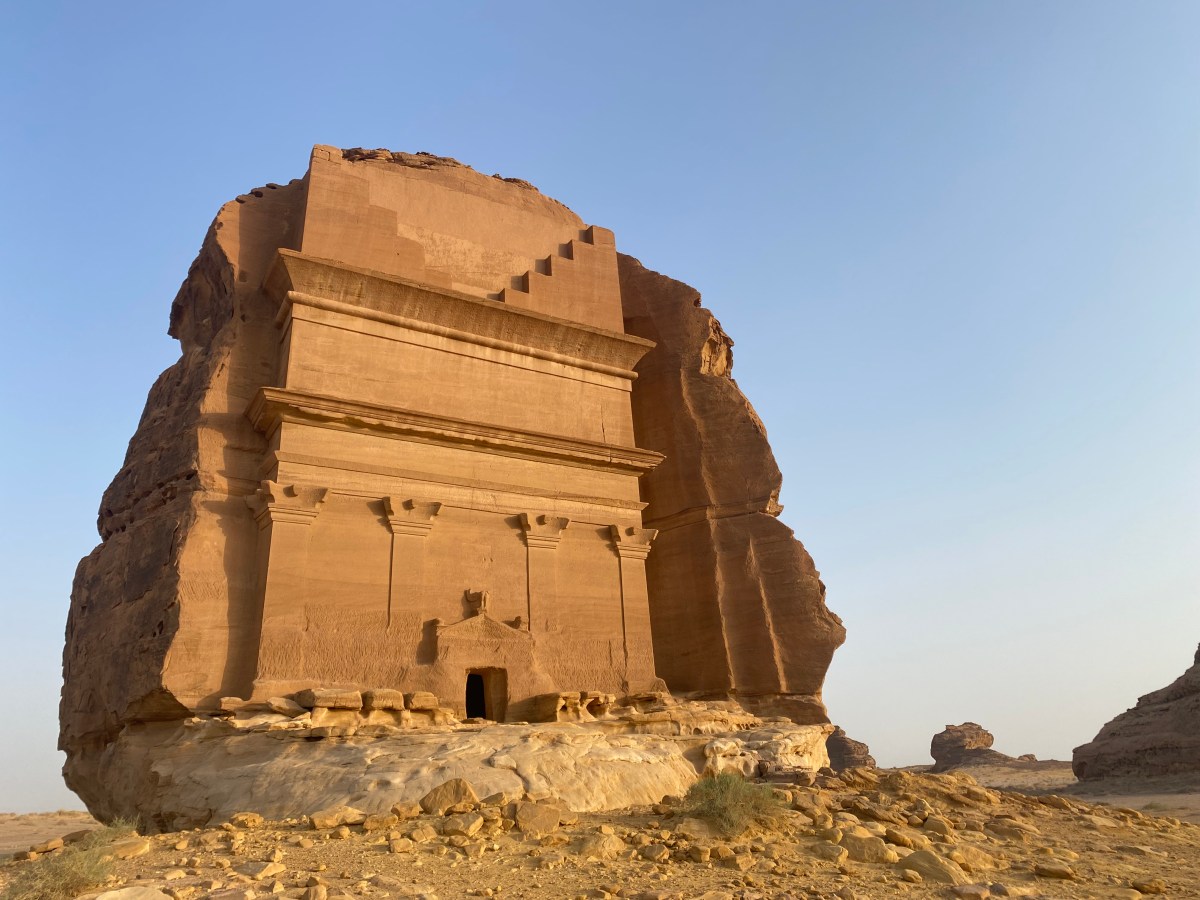
Al-Ula
Last year, I had the privilege of being invited to speak at the first World Archaeology Summit, organized in Al-Ula, Saudi Arabia, by the Royal Commission. This event will be held again this year, where I am invited as an international delegate. The two days of debates and presentations among 80 global cultural heritage experts…
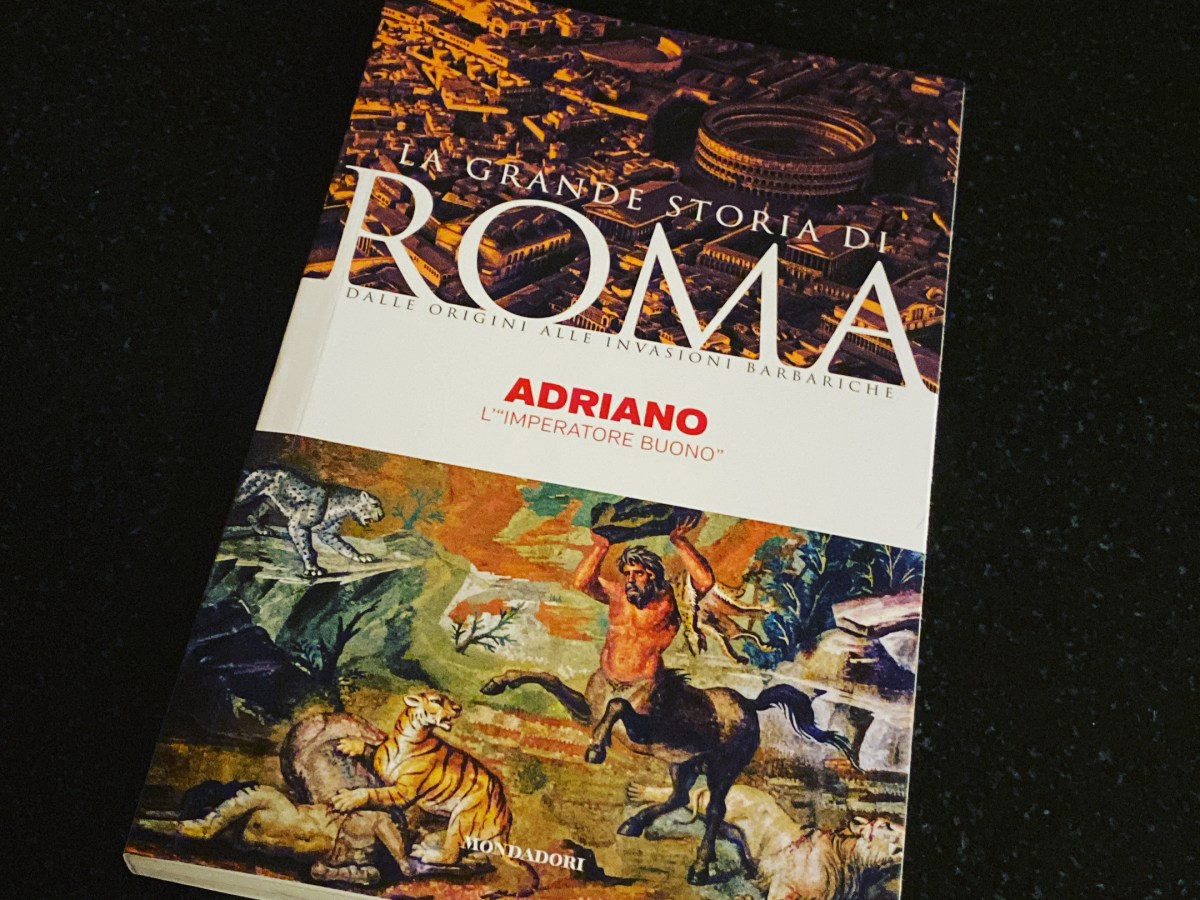
Rediscovering an Emperor: Adriano. L’Imperatore buono
In the vast expanse of Roman history, few figures stand out quite like Emperor Hadrian. Known as a ruler who balanced power with philosophy, military prowess with a passion for the arts, Hadrian’s legacy has been celebrated for centuries. My book Adriano: L’Imperatore buono offers a refreshing and insightful take on this iconic emperor, delving…
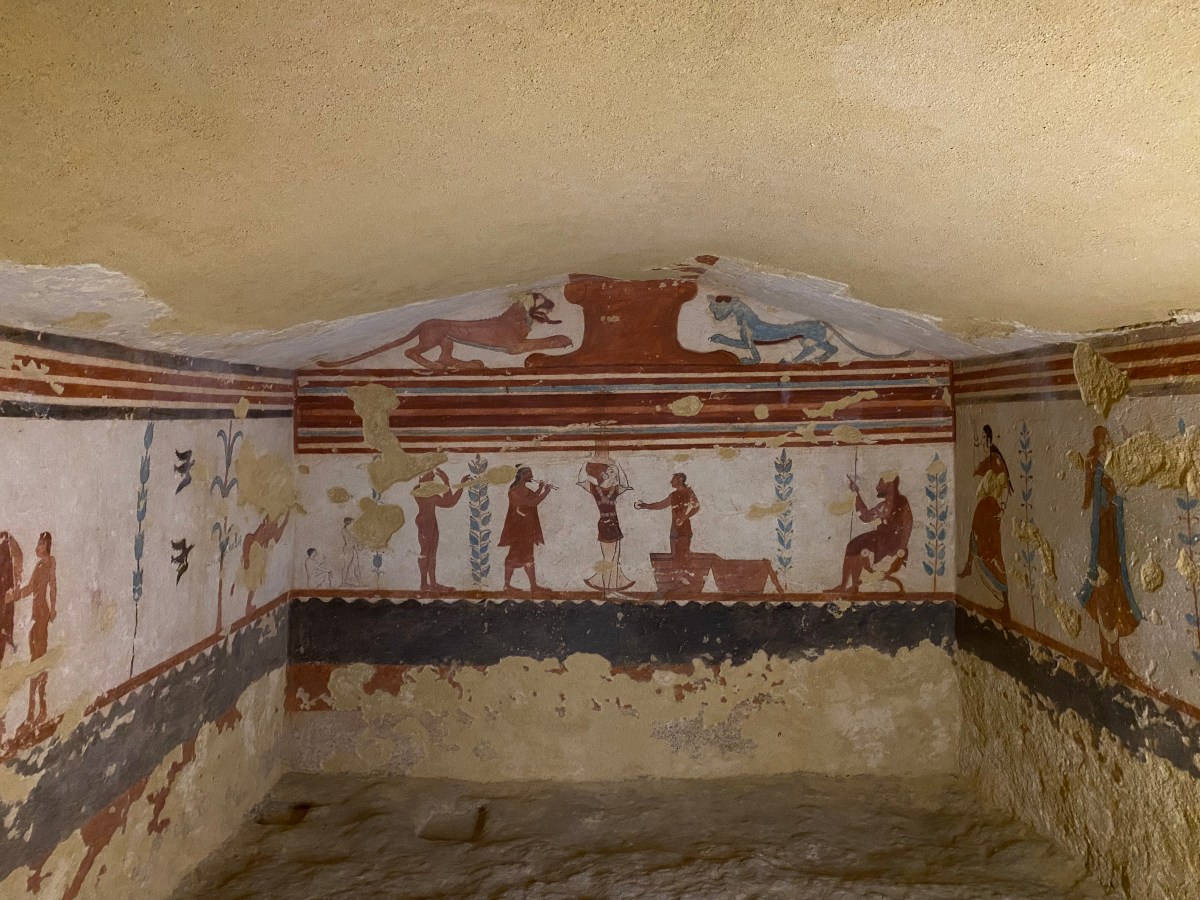
The Necropolis at Tarquinia
The Monterozzi Necropolis in Tarquinia, a UNESCO World Heritage site, is an extraordinary example of a funerary landscape from the Etruscan period. Its 6,000 tombs inform us about the customs, life, and perception of death, enriched with frescoes and everyday objects. The splendor of the pictorial representations fascinates the visitor, who finds themselves immersed in…
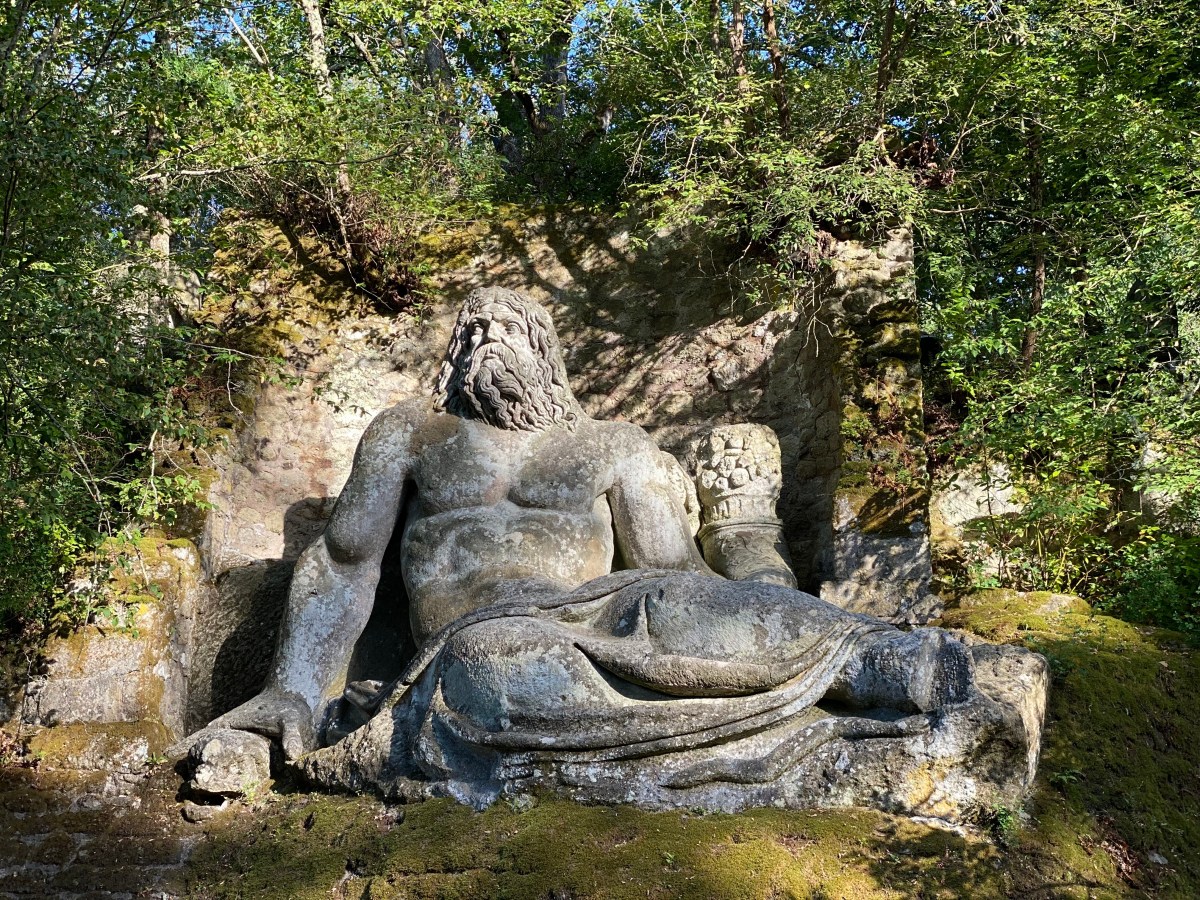
The Sacred Grove
Nestled in the lush hills of Bomarzo, Italy, lies a fantastical world where art and nature intertwine: the Giardino dei Mostri, also known as the Sacred Grove. Created in the 16th century by Prince Pier Francesco Orsini, this enchanting garden is filled with larger-than-life sculptures that both astonish and inspire. Each sculpture tells a story,…
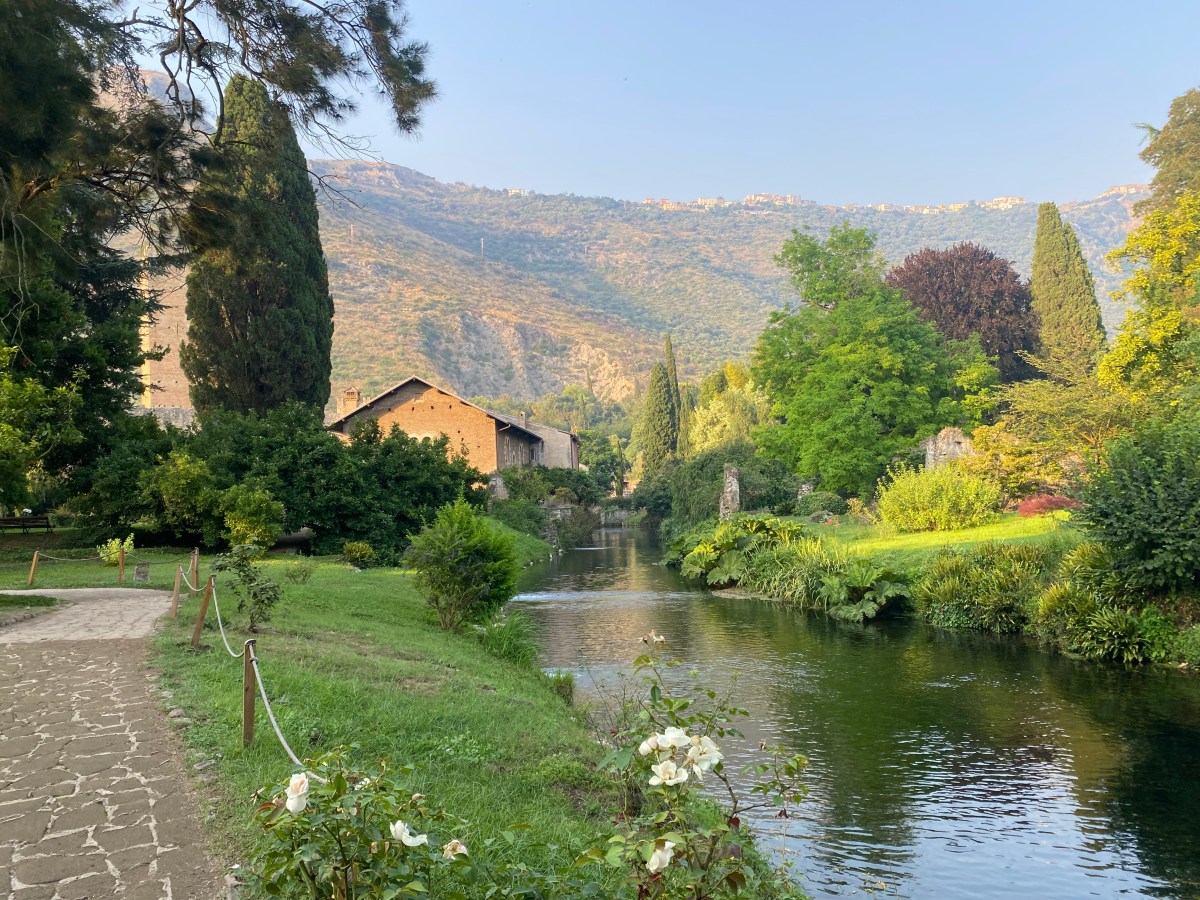
Giardino di Ninfa
It’s rare to drive through a somewhat desolate countryside and find yourself in a landscape as fascinating as it is mystical. The Garden of Ninfa, in the municipality of Cisterna Latina, initially presents itself to the visitor in a rather unassuming manner. The road leading there winds through quaint villages and arid plains, and the…
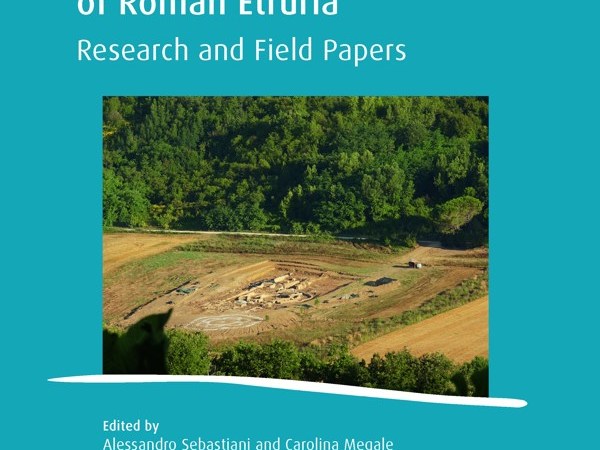
New Review
A new review of the volume Archaeological Landscapes of Roman Etruria was recently published in the Journal of Etruscan and Italic Studies. It reads: “… This edited volume represents an excellent, much-needed introduction to recent archaeological work in Etruria during the Roman period, a phase of the region’s history that has drawn less recent attention…
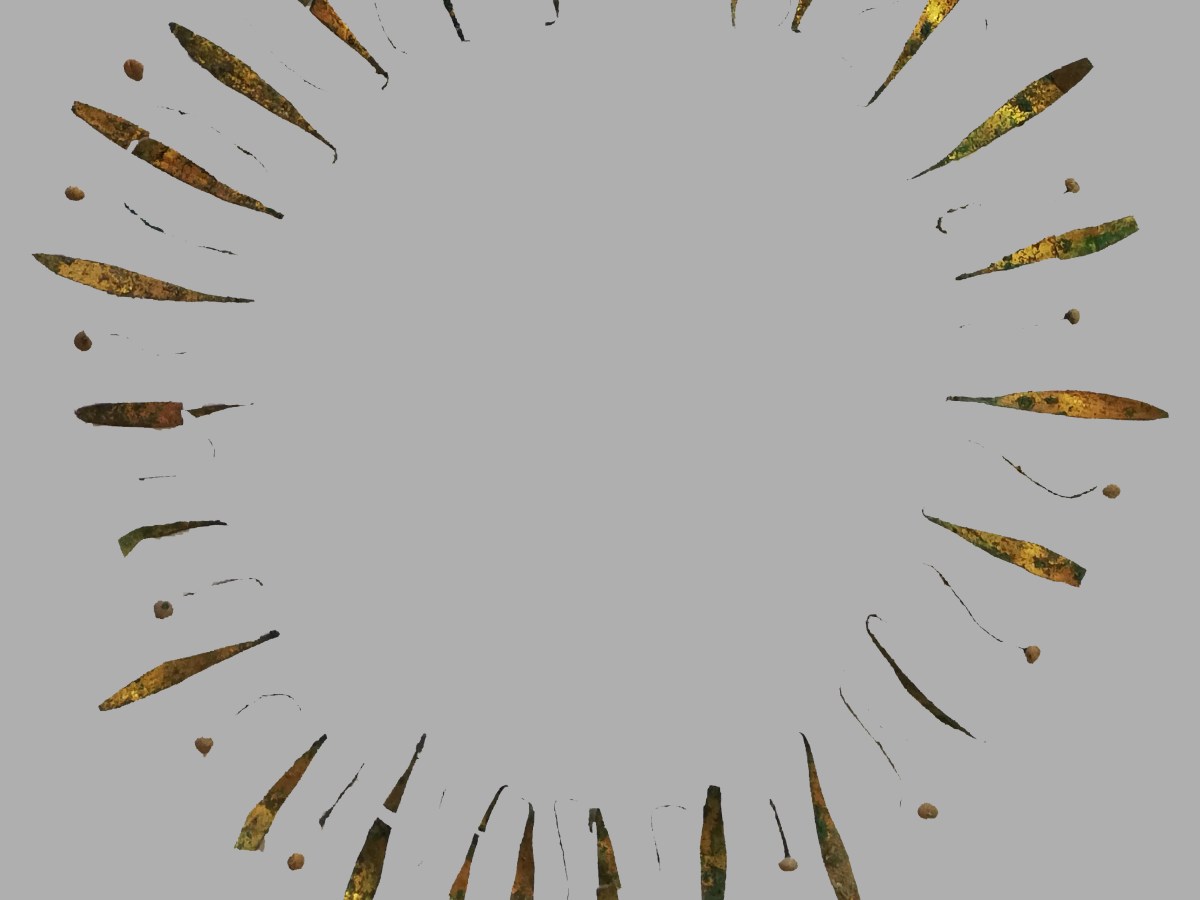
A Golden Crown
In March 2021, during agricultural work, an archaeological discovery near the Hellenistic settlement of Podere Cannicci unearthed a remarkably well-preserved 2nd century BC burial. The tomb, found completely intact, contained the remains of two individuals, each interred in separate urns. These urns were accompanied by an array of grave goods meticulously arranged along the chamber’s…
New Review
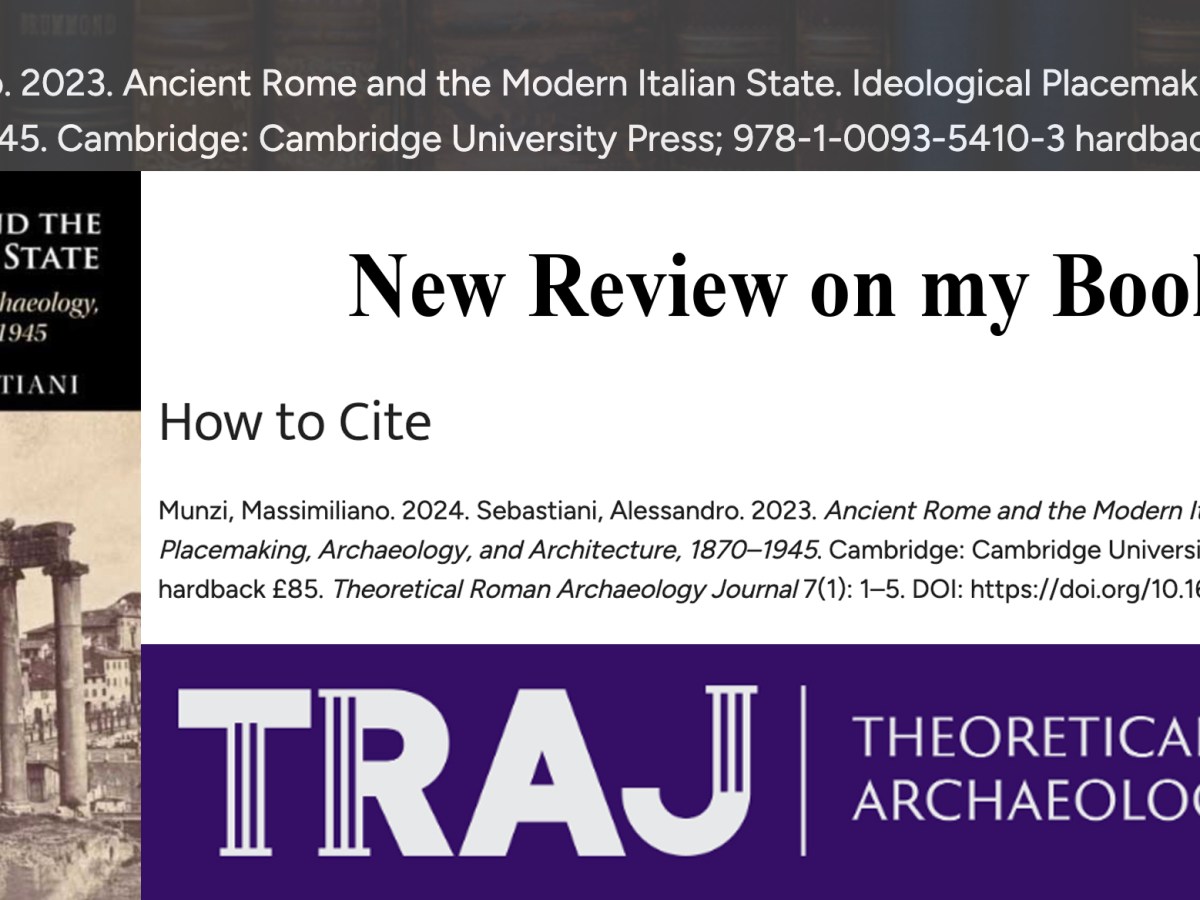
A new review of my book Ancient Rome and the Modern Italian State. Ideological Placemaking, Archaeology, and Architecture 1870-1945 was recently published in the Theoretical Roman Archaeology Journal. The review is written by Massimiliano Munzi whom I thank for the kind words and for spotting some mistakes that will be fixed in the Italian edition!…
Castellaraccio di Monteverdi
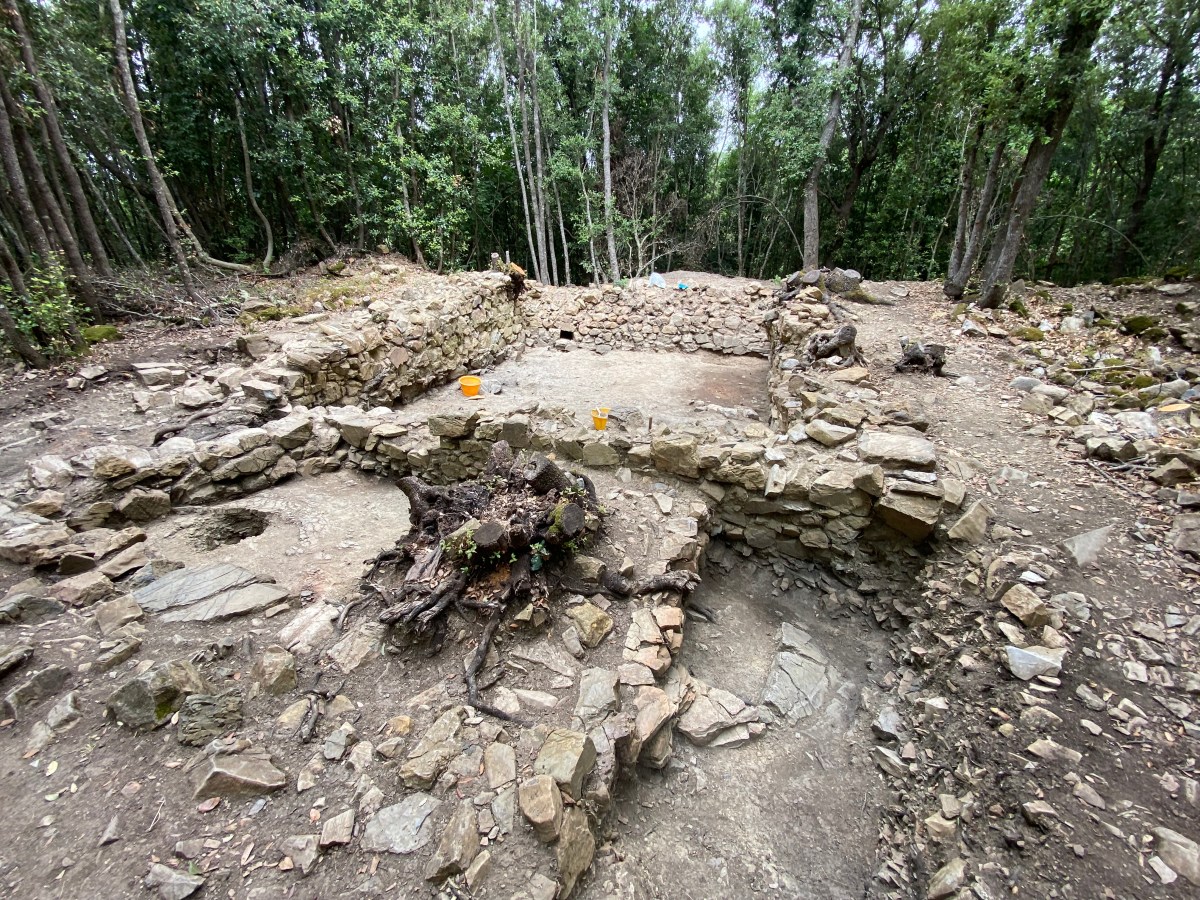
Throughout my career, I have had the privilege of excavating numerous archaeological sites, both within Italy and internationally. A significant number of these sites were medieval castles, situated on the rugged hills of Tuscany. This experience influenced my decision to specialize in medieval archaeology rather than classical archaeology. I have been fortunate to collaborate with…
An Ancient Stadium
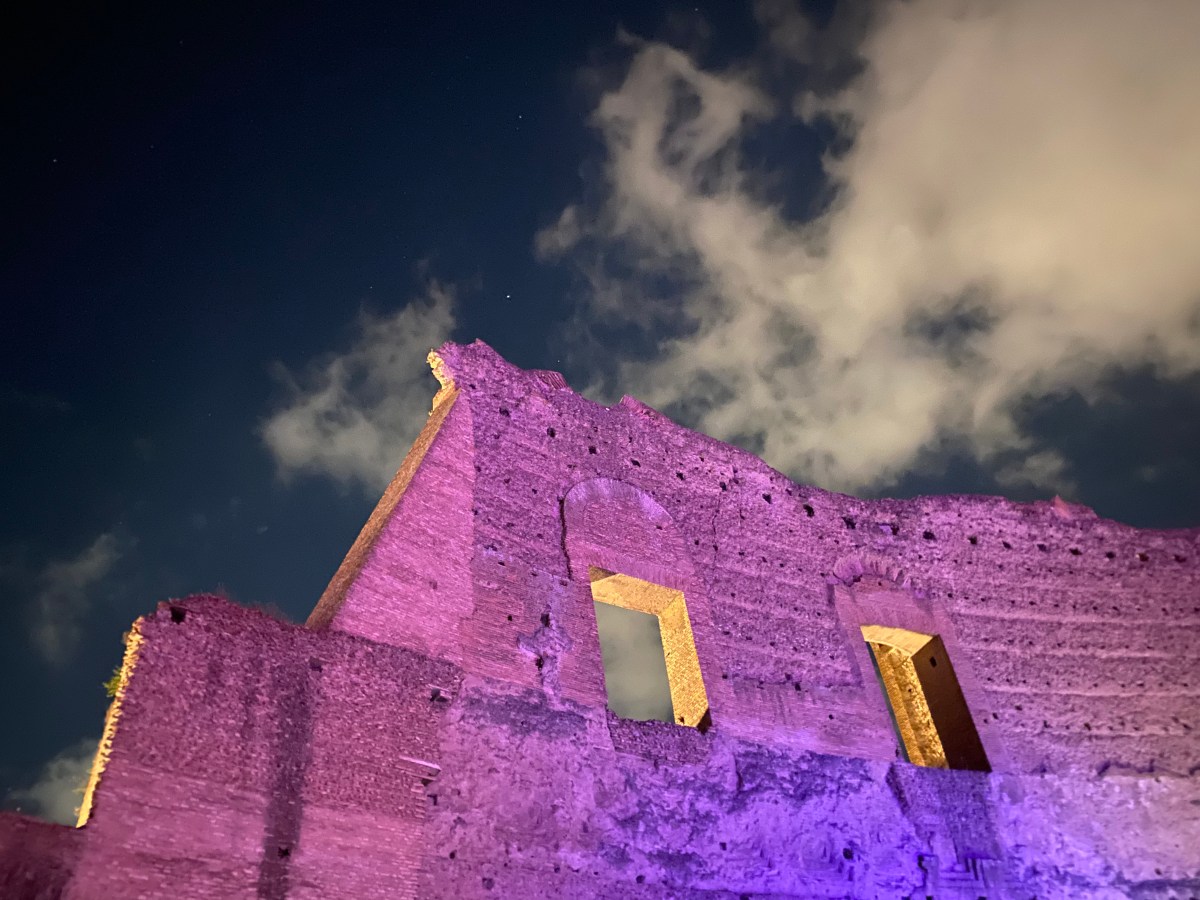
The city of Rome conceals lesser-known monuments that escape the notice of the throngs of tourists who fill its streets on hot summer days. Special events offer the chance to explore the urban core, uncovering majestic structures whose walls whisper tales of old times, and in whose nooks one can still catch the echoes of…
Scansano
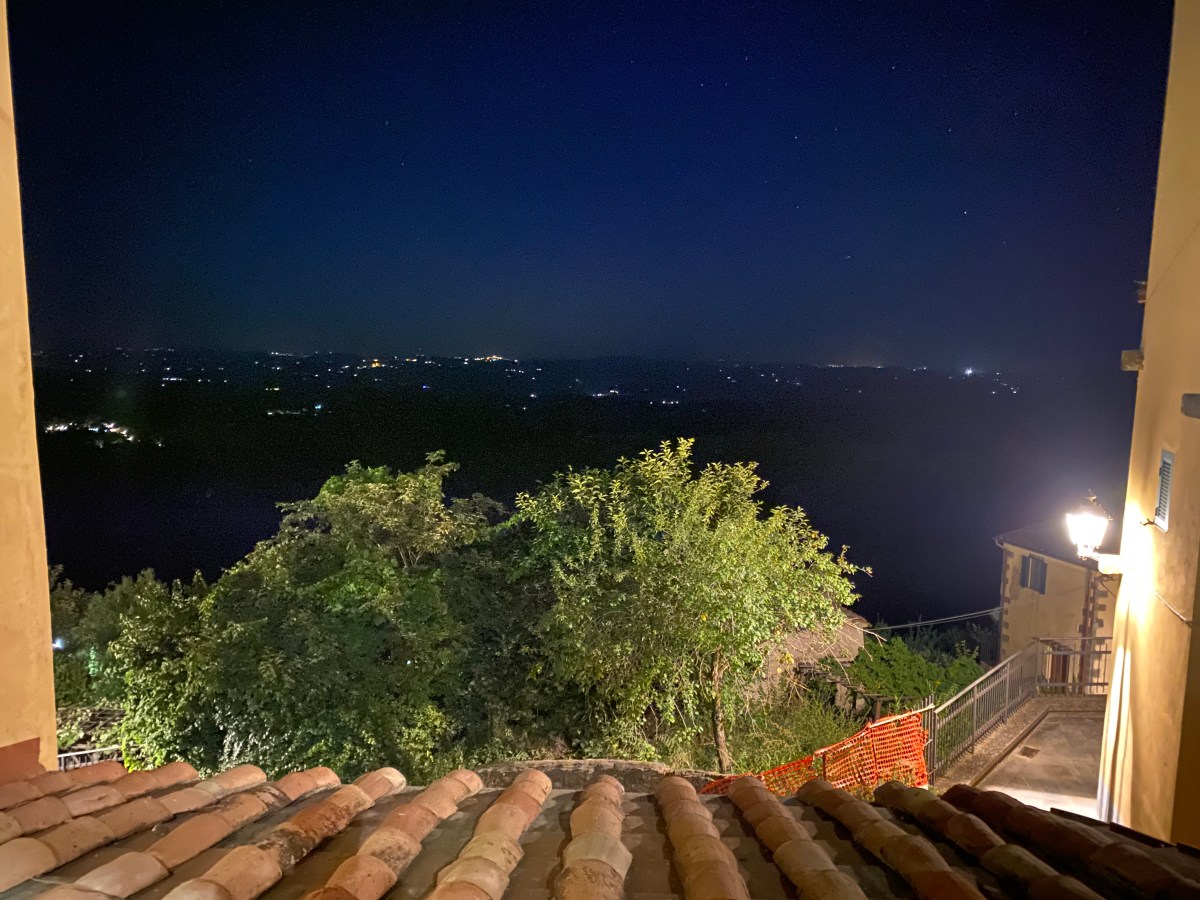
Certain places evoke fragments of life, encapsulated in sounds, smells, and faces, all inexorably tied to the past. The small village of Scansano, perched on a hill offering refuge from the summer heat, is one such place. Its network of narrow streets, shaped by medieval urban planning, unfolds to reveal churches now converted into private…
New Scholarship
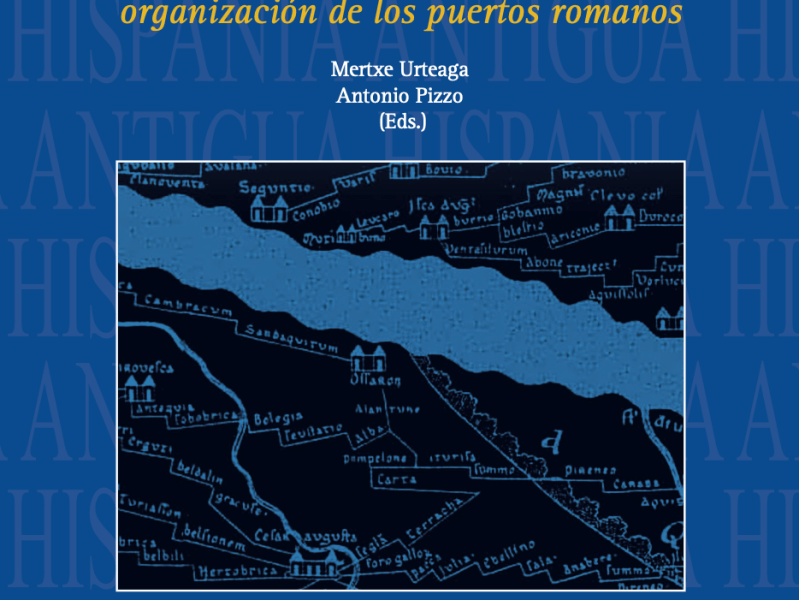
A new piece of scholarship is available on the riverine port at Spolverino, a Roman manufacturing district and related harbor for the city of Rusellae. If interested, just click here!
Monterano
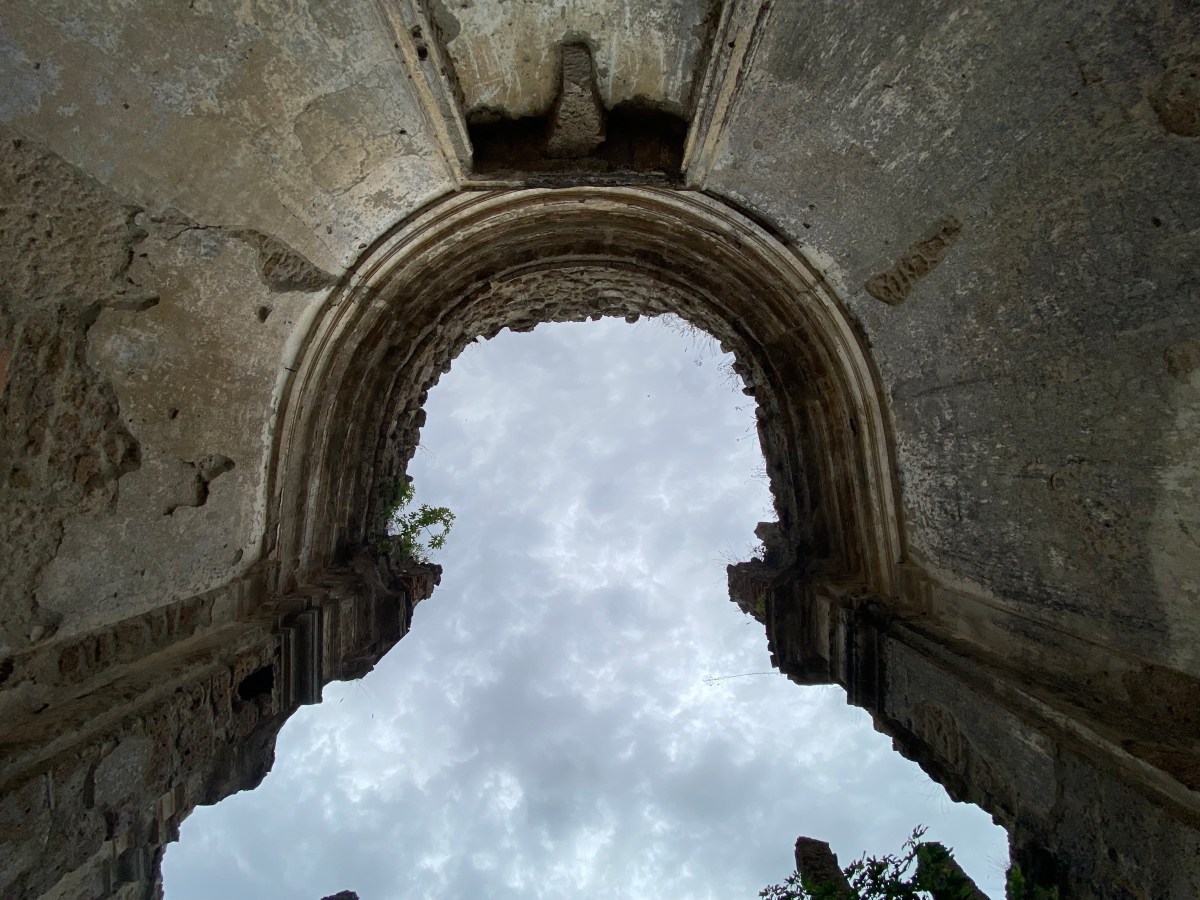
Sometimes, along the path intended to lead you to a particular destination, you unexpectedly stumble upon another place, hidden and quite difficult to reach. A few dozen kilometers from Civitavecchia, nestled within a natural reserve enriched by sulfur mines, lies the site of Monterano. Its recent abandonment should not deceive the visitor; the walk to…
Casenovole
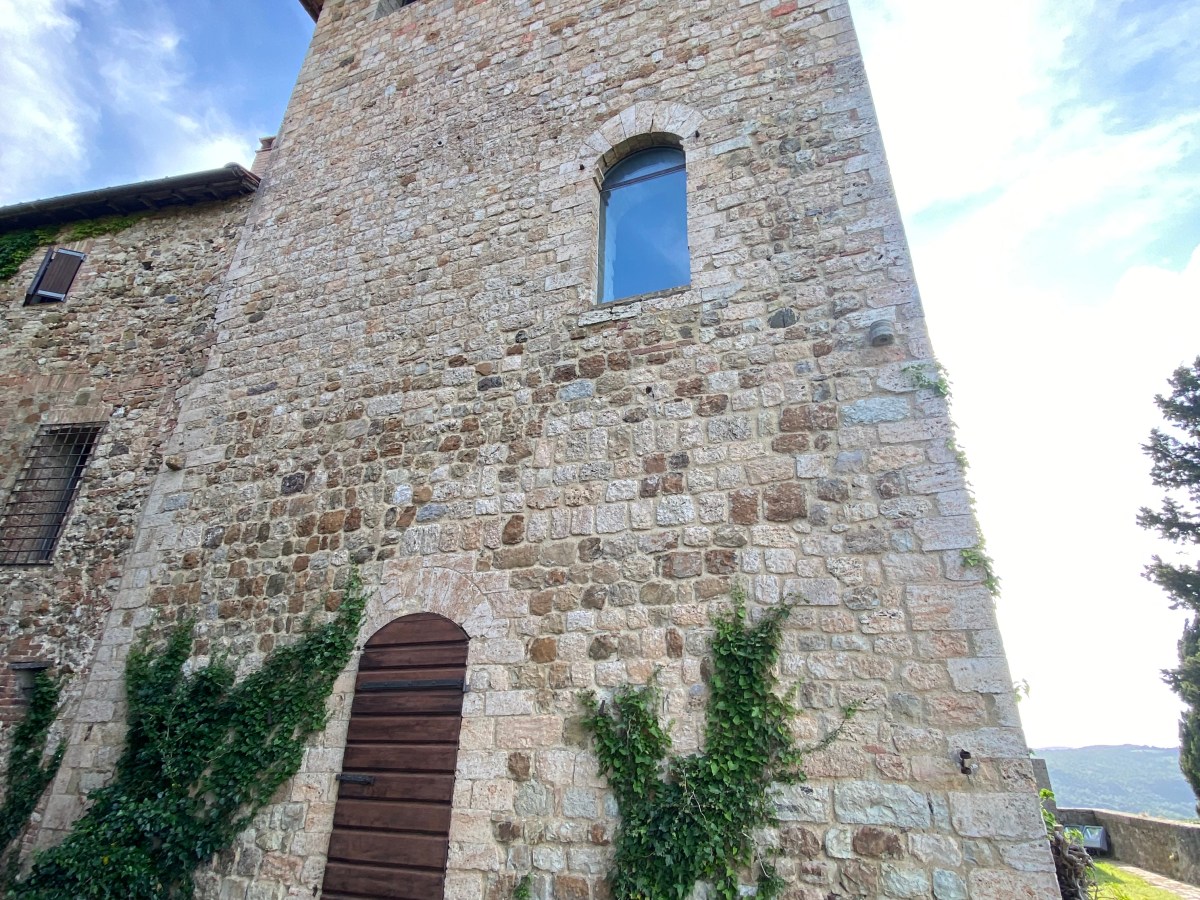
Collaborating closely with local communities facilitates access to sites and locations otherwise inaccessible to the public. A pertinent example is the Castle of Casenovole, situated a few kilometers from Casal di Pari and Castellaraccio di Monteverdi. Documented as a fief of the Ardengheschi family in the early 13th century, Casenovole’s existence is recorded as early…
Demons and Tombs
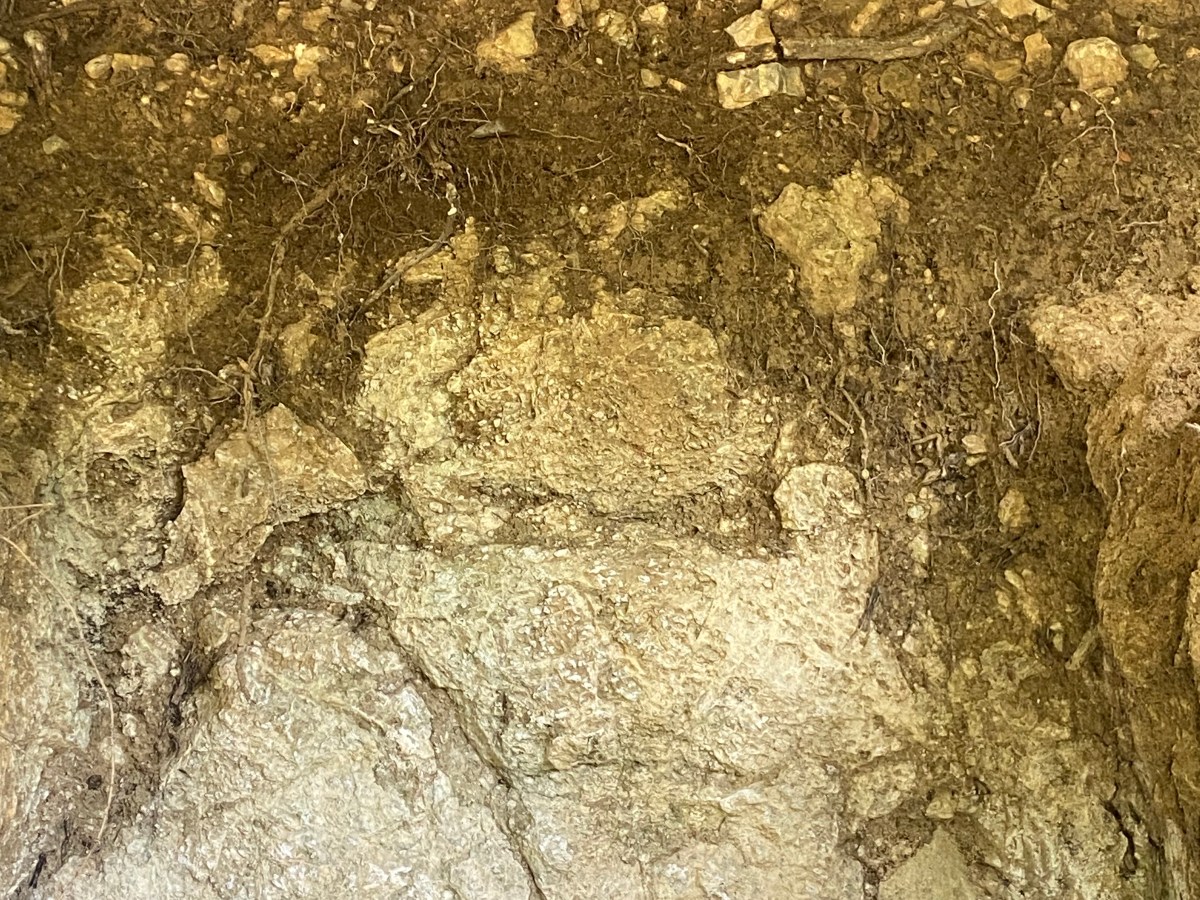
Currently, the excavations at the late Etruscan and Hellenistic necropolis of Casenovole have resumed. This excavation holds significant personal importance to me, both due to my profound friendship with Andrea Marcocci and the remarkable findings that have emerged from their investigations since 2007. Introducing students to this forested site and the marvels of these tombs…
A Stone Weight
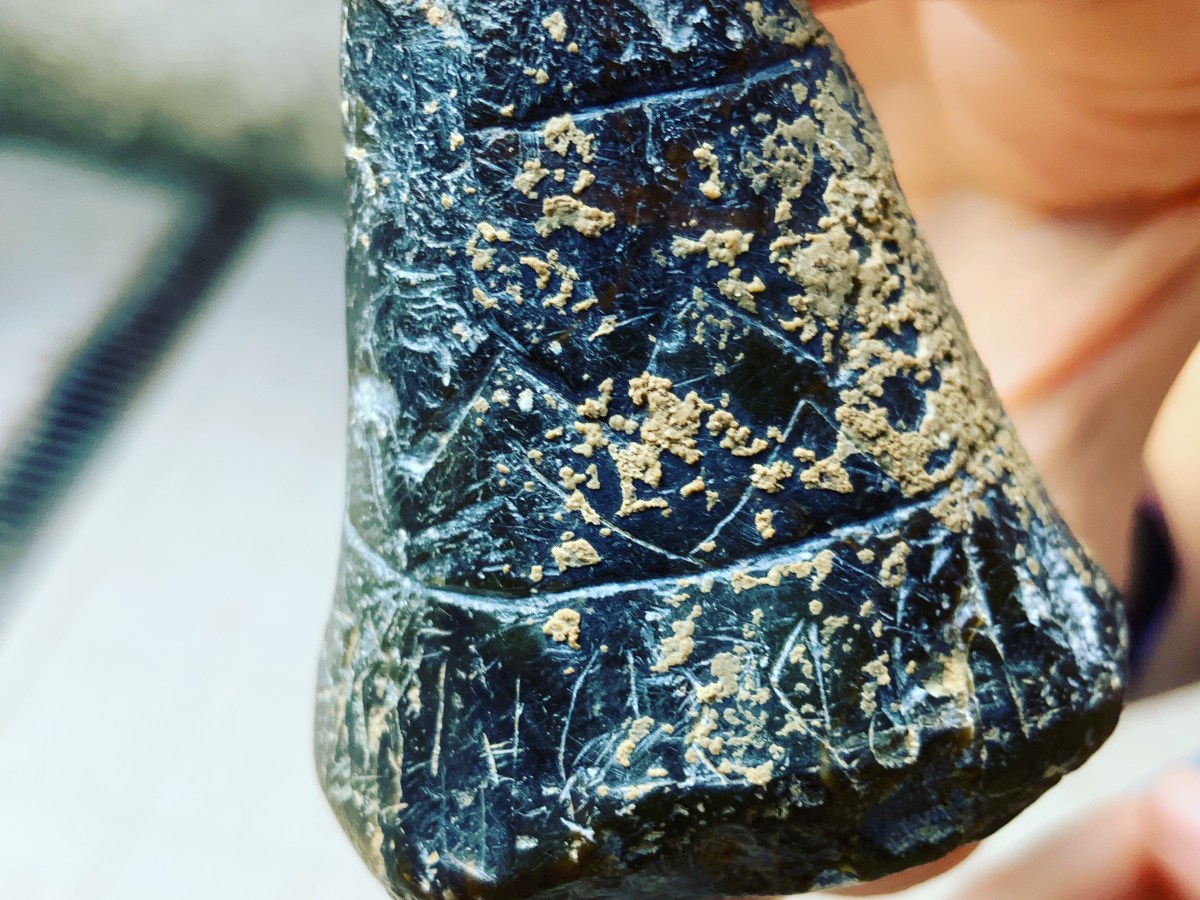
Excavating any settlement invariably leads to surprises and the discovery of intriguing objects. Often, these finds are tools or everyday items, occasionally so corroded or fragmented that discerning their original function is challenging. This difficulty is compounded with older artifacts, which are increasingly estranged from our visual and cultural memory. In 2019, during the archaeological…
Cetamura
After nearly a decade, I returned to Cetamura del Chianti, an archaeological site of immense significance, where research is overseen by Nancy De Grummond of Florida State University. Alongside the students from the Monteverdi field school, we delved into the site’s importance, examining the material remnants of an Etruscan sanctuary and a community of devotees…
A Different Museum
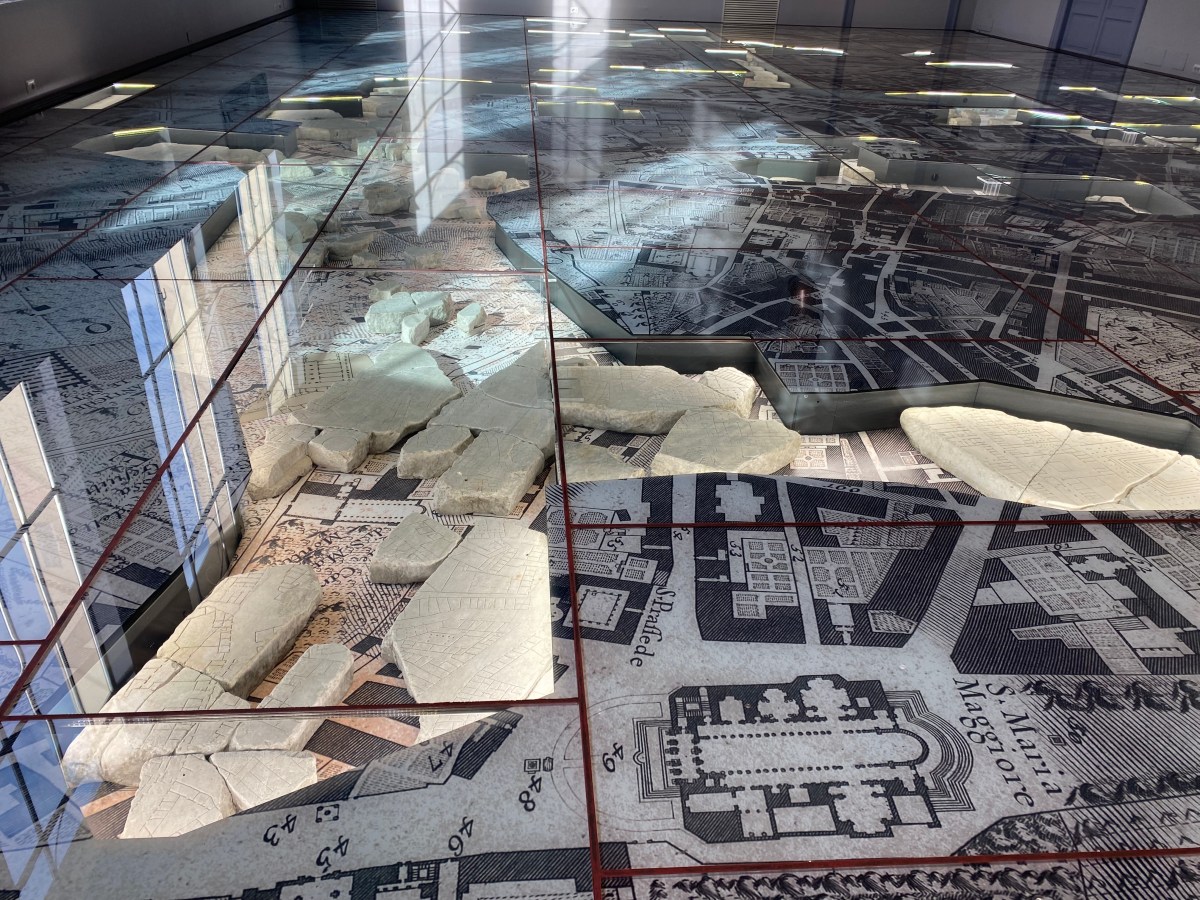
The Forma Urbis Museum has recently commenced welcoming tourists to Rome. This intimate museum is situated just a few hundred meters from iconic landmarks such as the Colosseum and the Arch of Constantine, within the most heavily visited area of the capital. Currently, there is a lack of clear signage, and from the exterior, the…
Classical Castles (?)
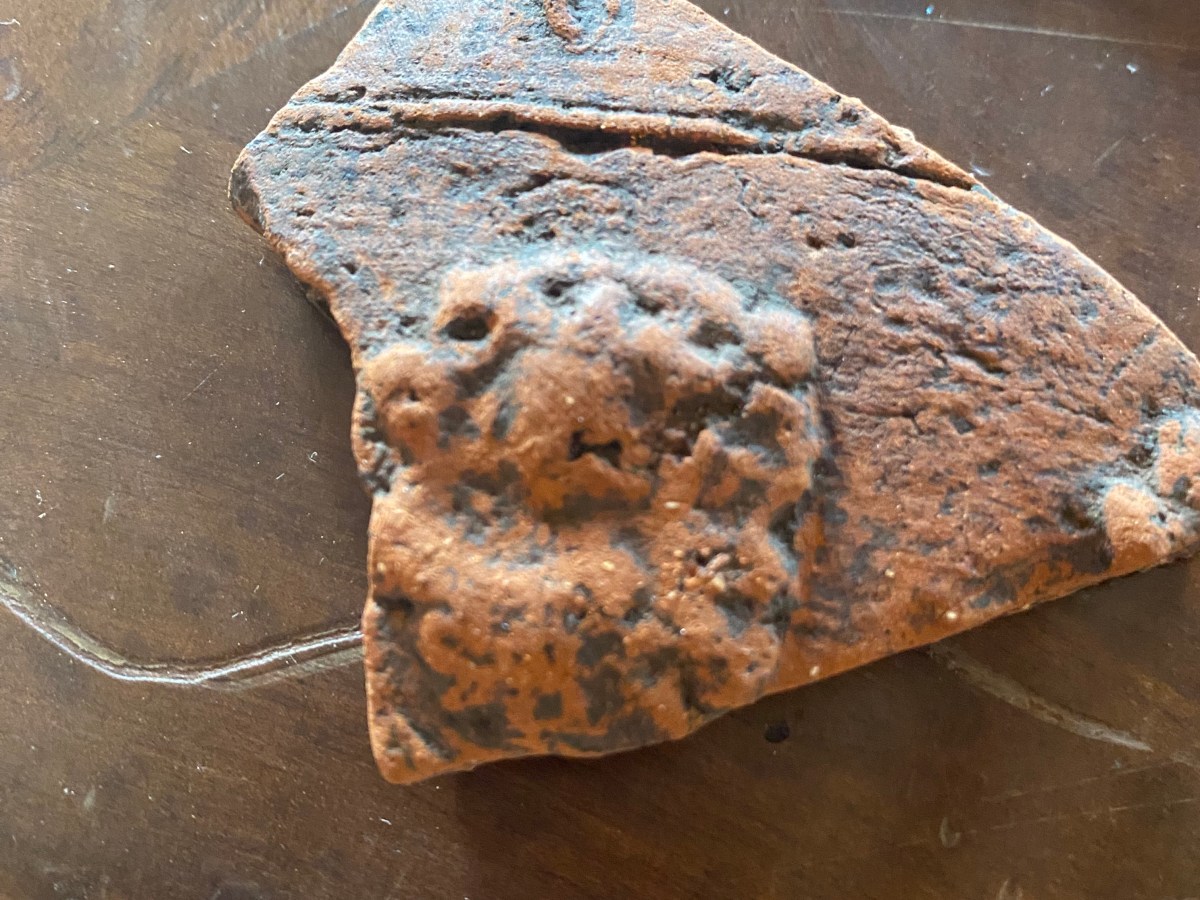
Tuscan castles are now commonly imagined as bastions of noble power; from their lofty towers, these families controlled vast swaths of territory, managing their fiefs’ economy and culture while imposing a strict social hierarchy. These power centers, established in the 10th century AD and frequently mentioned in written sources from the late 11th century, faced…
A Tiny Statue
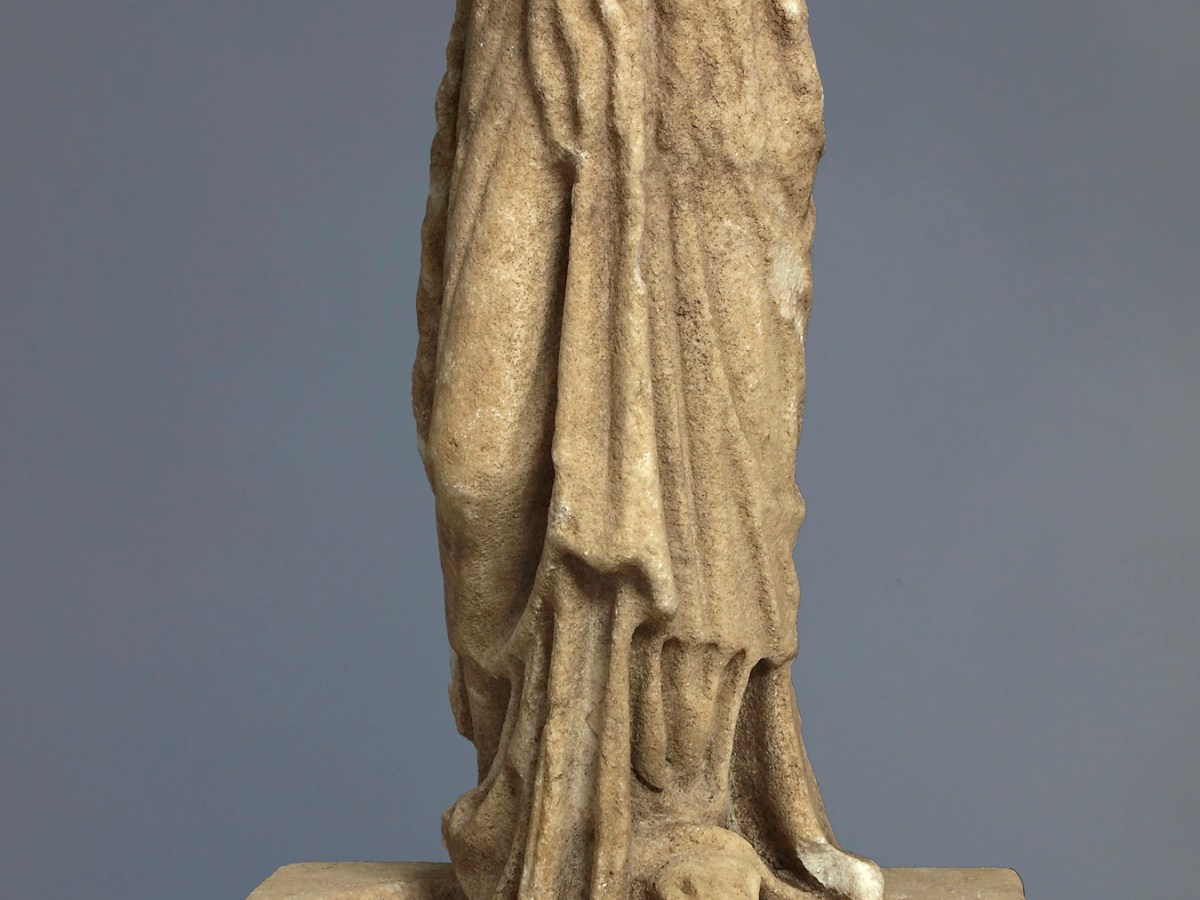
In 2010, while excavating the Sanctuary of Diana Umbronensis, we discovered that the temple was not the only significant find on Scoglietto Hill in Alberese. Expanding the excavation area revealed another cult structure within a month, accompanied by an array of votive objects. As we delved deeper, a small statue began to surface from a…
Coins and Historical Records
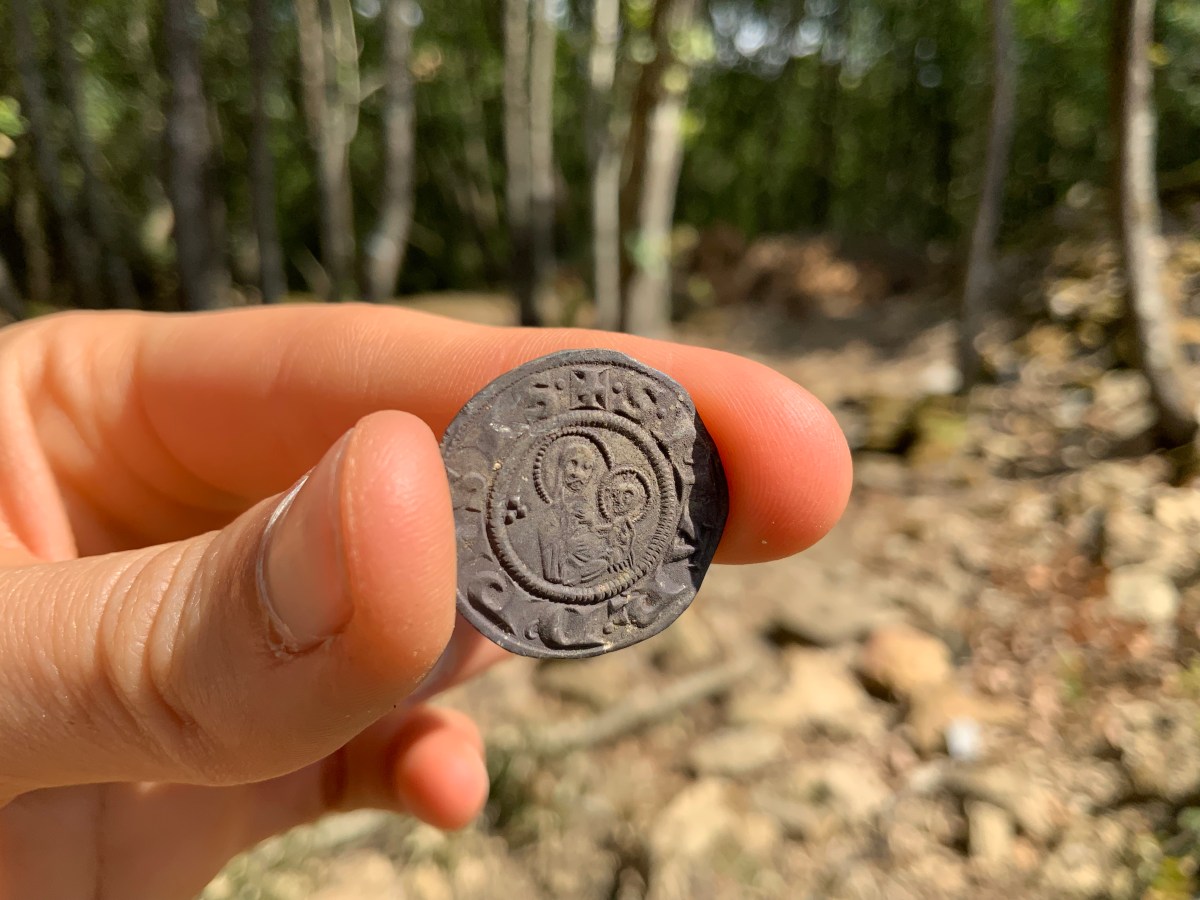
In 2019, during excavations at Castellaraccio di Monteverdi, a collection of newly minted silver coins was unearthed at the base of a collapse layer. Historical records provide a narrative of the site’s history, albeit from a selective and privileged perspective. These records indicate that by the end of the 13th century, the castle had been…
Diana Umbronensis
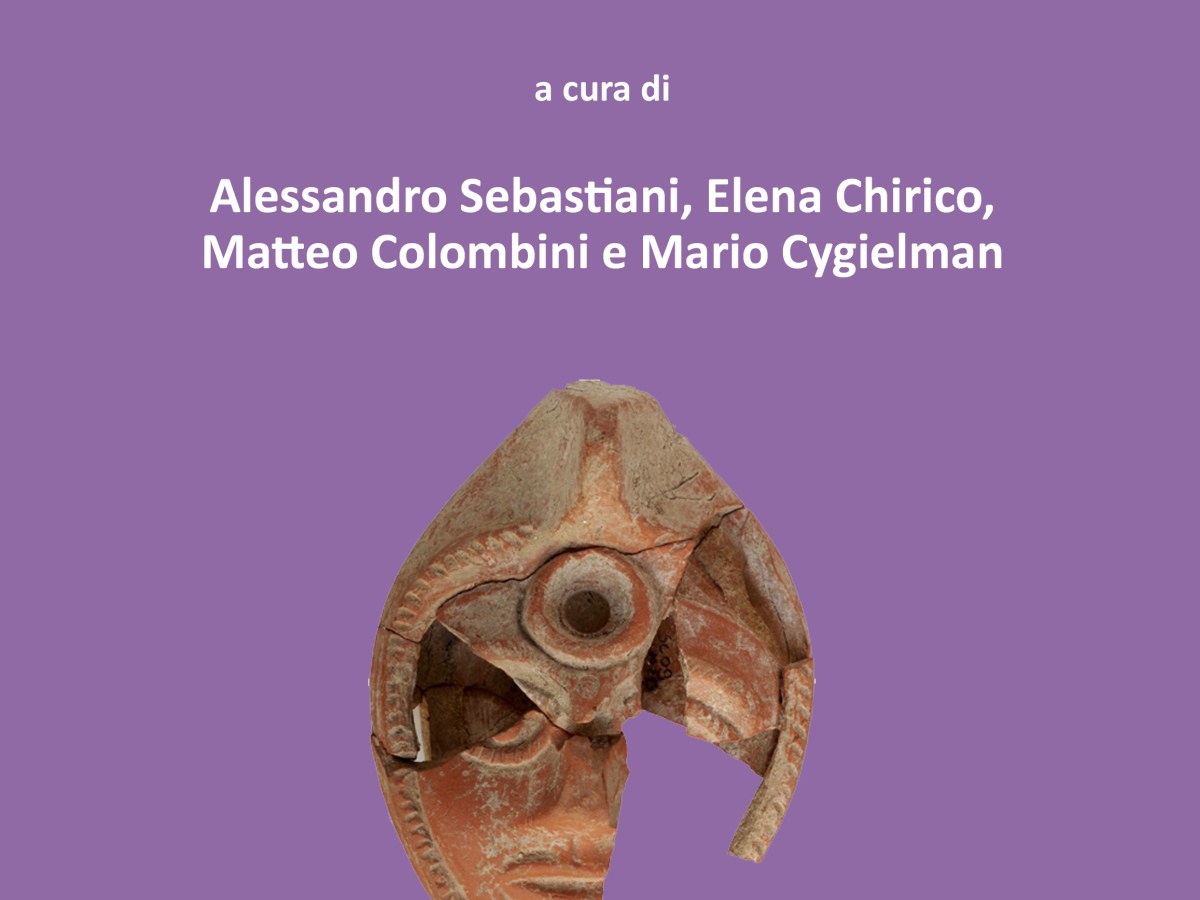
By 2015, nearly a decade ago, the comprehensive volume summarizing the excavations at the Sanctuary of Diana Umbronensis in Scoglietto was published. Three years of intensive research had yielded a substantial body of data, significantly revising the historical narrative of the coastal area of the ager Rusellanus. At the time, due to our youth and…
Bricks, stamps, and walls
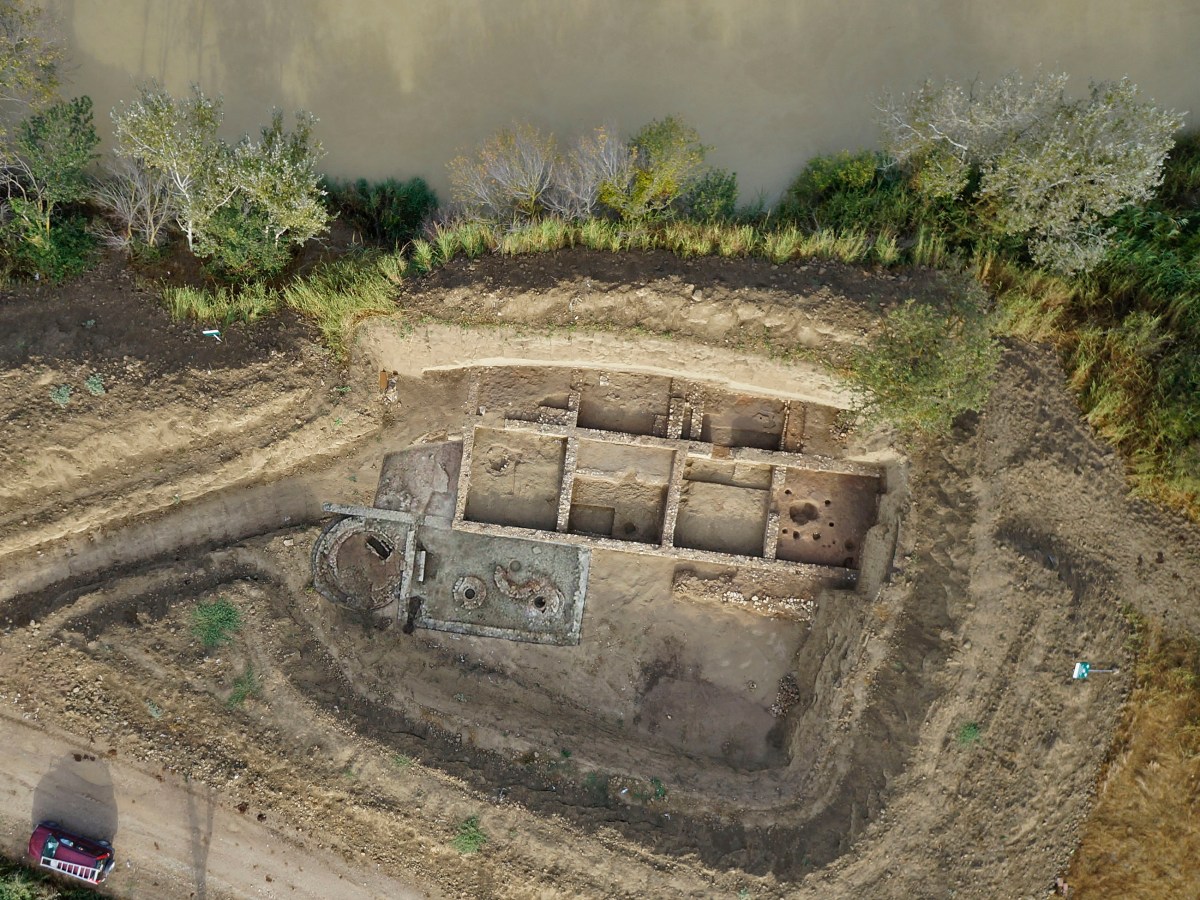
A recent paper in the Journal of Mediterranean Archaeology (JMA), co-authored by myself and my colleagues Veronica Testolini and Elena Chirico, addresses a challenging issue concerning brick production in the Imperial period. For the first time, to my knowledge, we chose not to rely solely on stamps to understand trade and production sites, but instead…
Visiting Fellowship at Pisa
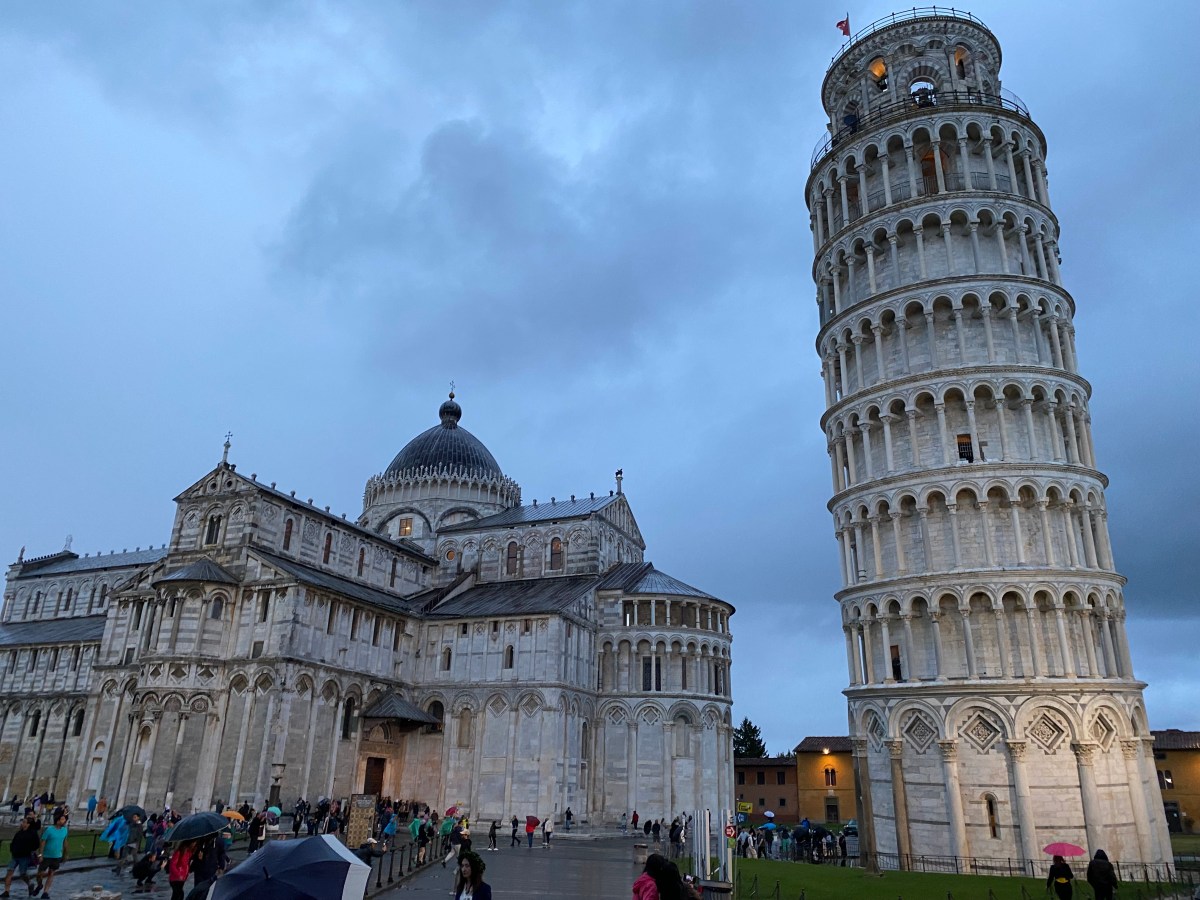
The official letter has recently arrived, informing me that I will be a Visiting Fellow at the University of Pisa between September and October 2024. This study period will serve for a book project I am working on, which in a way takes me back to the excavations in Alberese and to a late Roman…
Ancient Rome and the Modern Italian State
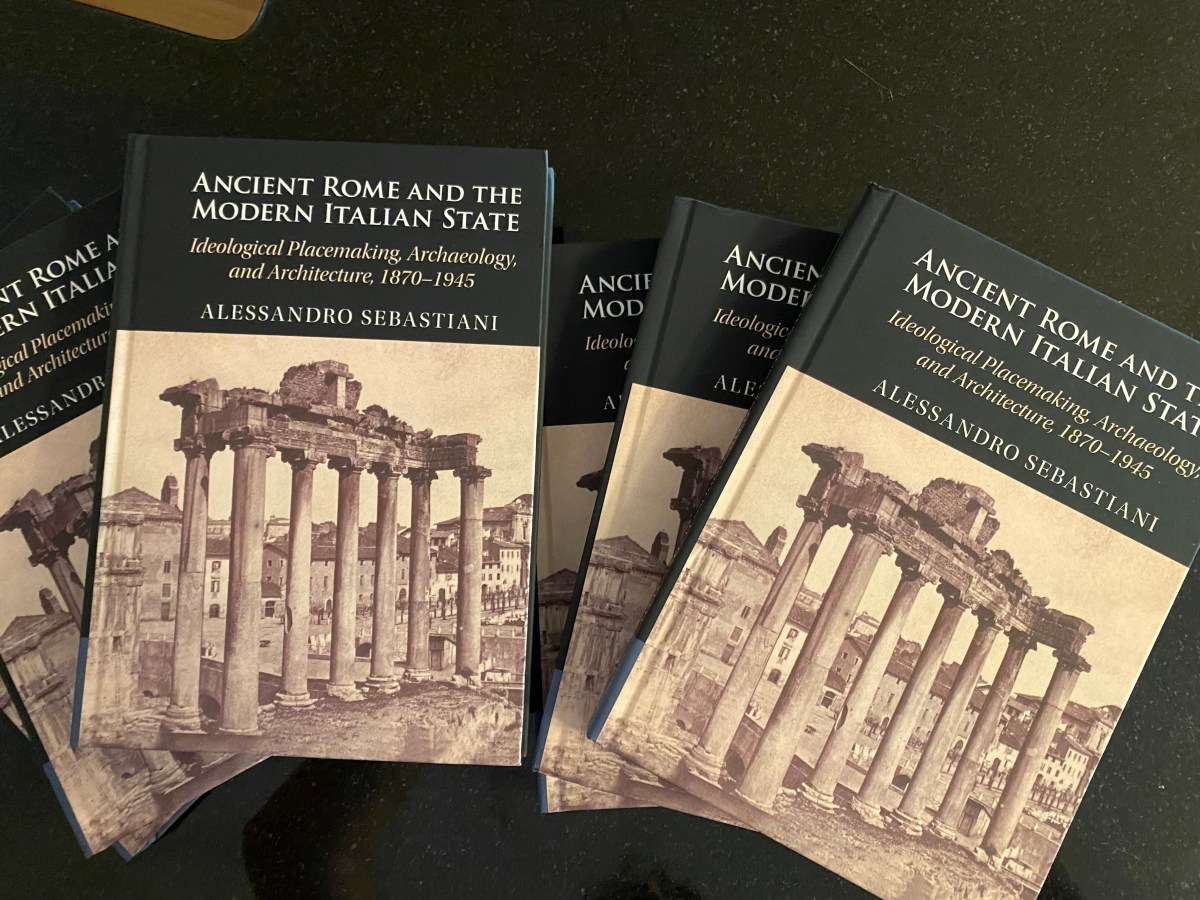
When I first set out to write this book, my vision was quite different. I had envisioned a sweeping exploration of four ancient cities and the fascinating ways in which archaeology has been employed to influence the present and mold national identities. Rome, being a familiar and captivating setting, naturally became my starting point among…
Paganico
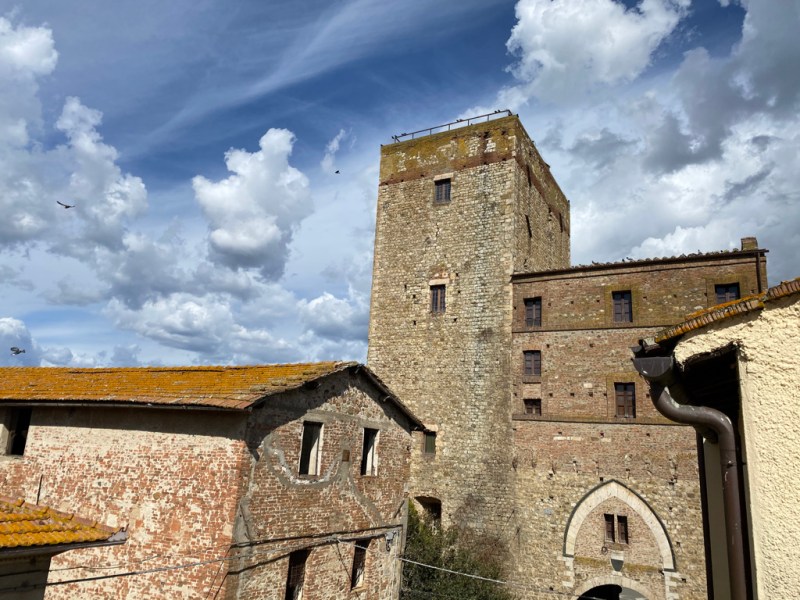
Since 2017, Paganico’s historical narrative has become closely intertwined with the research initiative under my direction. Previously, my traversal of Paganico en route to Monte Amiata was merely transitory, devoid of extended pauses. However, recent years have witnessed a notable transformation. The excavation efforts at Castellaraccio afford us a nuanced comprehension of the fortified village’s…
Podere Cannicci
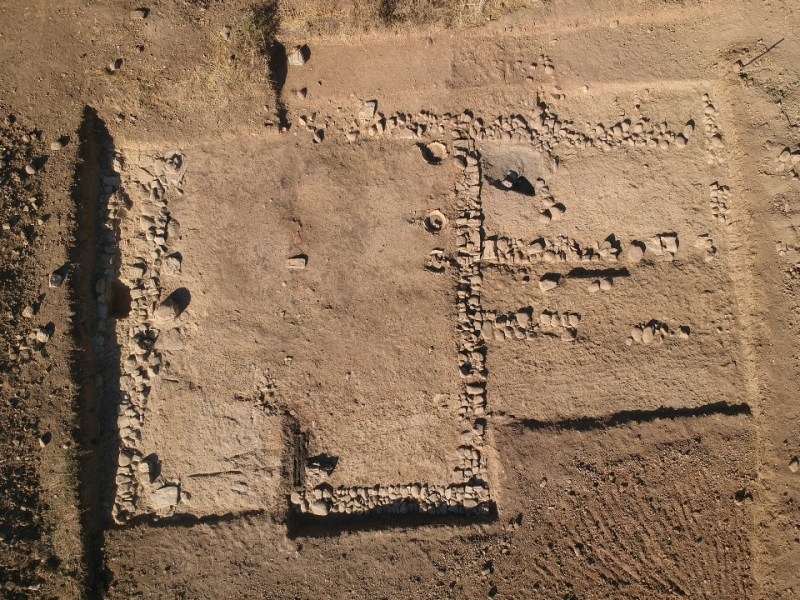
Podere Cannicci stands as an emblematic archaeological site nestled within the prestigious Monteverdi Estate, owned by the Giannuzzi Savelli family. Its accidental unearthing in 1989 amid the installation of a gas pipeline marked the commencement of its archaeological exploration, a journey that gained momentum in 2017. As excavations expanded, the site unveiled a tapestry of…
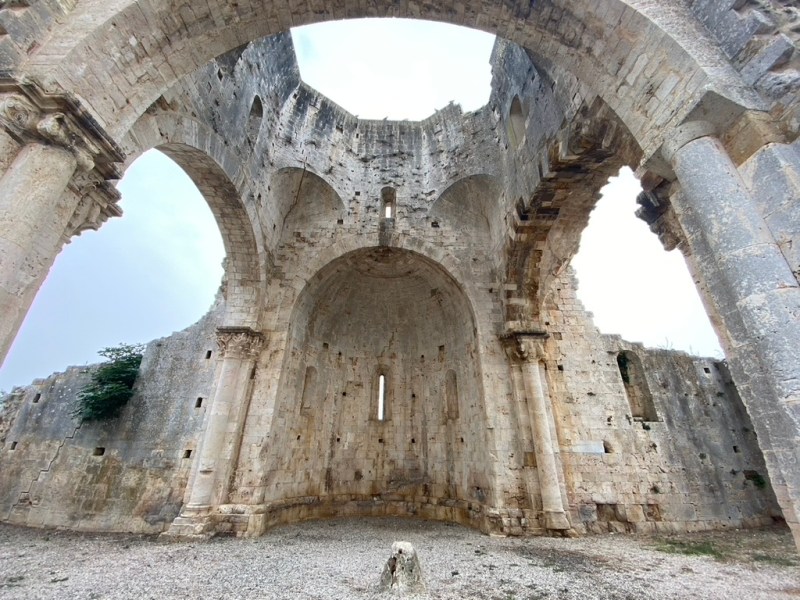
The Monastery of San Bruzio
The dilapidated church of the monastery of San Bruzio, nestled within an olive grove at the slopes of the village of Magliano (Grosseto, IT), has piqued my interest over time. Gradually transitioning into a tourist destination, it attracts visitors intrigued by the medieval remnants of the apse area amidst the verdant landscape. Contemplating its origins…
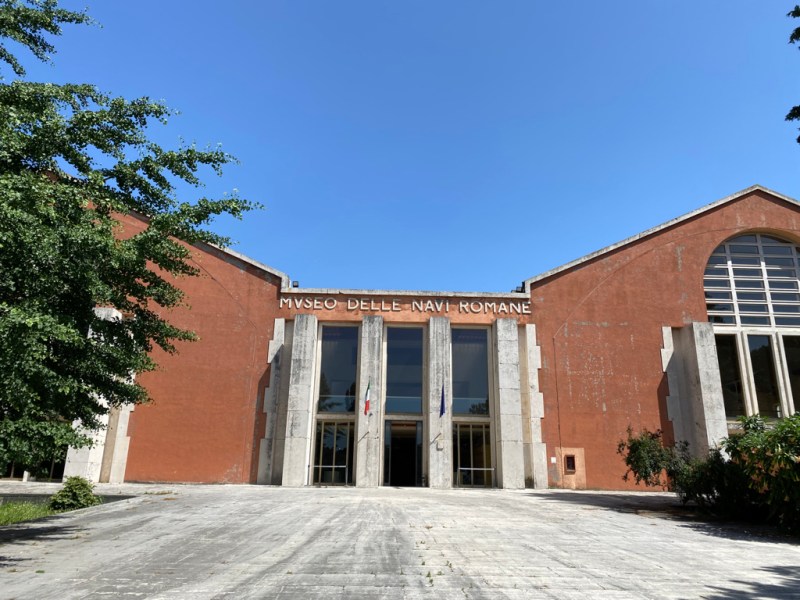
The Museum of the Roman Ships at Nemi
The journey of memory intertwines with the places that served as companions during the writing of the volume Ancient Rome and the Modern Italian State. While translating the text into English, I unexpectedly found myself visiting the Museum of Roman Ships on Lake Nemi. This place’s historical narrative is captivating, interwoven with the famous cult…
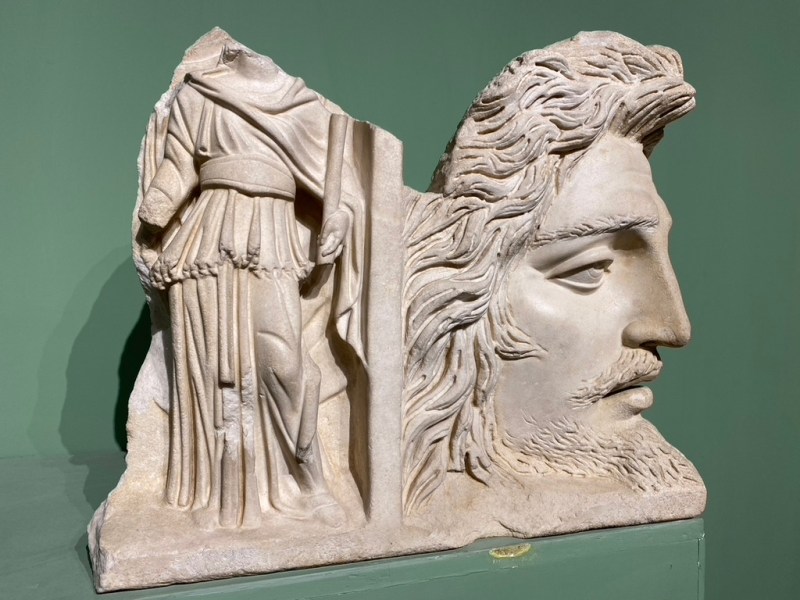
Centrale Montemartini
Discovering remarkable museums in Rome proves to be an effortless endeavor. The renowned Capitoline Museums, the illustrious Vatican Museums, and a plethora of other establishments beckon tourists to embark on diverse explorations, spanning from the antiquarian era to exhibitions showcasing the city’s stratigraphic excavations. However, amidst these well-known institutions lies a hidden gem largely overlooked…
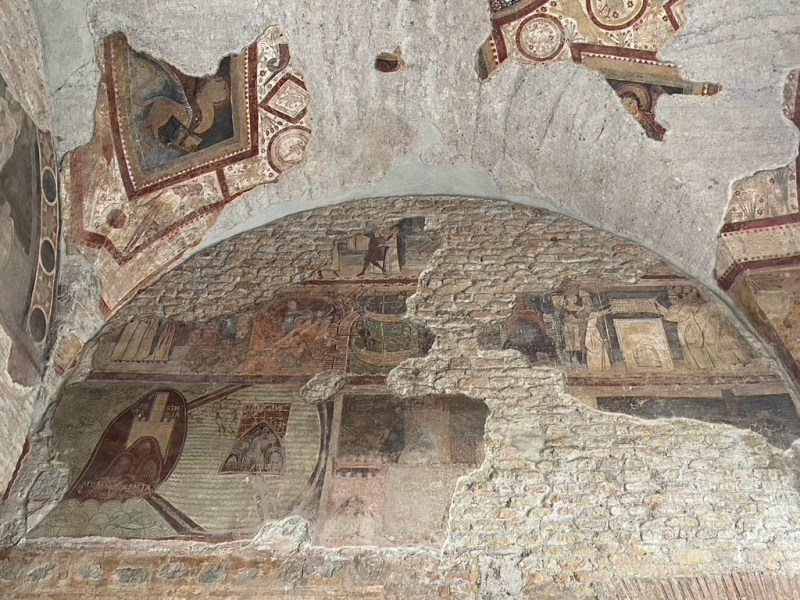
The Abbey of the Three Fountains
Few would conceive the existence of a sanctuary nestled within Rome’s confines, adjacent to the EUR district yet enveloped in pastoral tranquility, where the cacophony of vehicular traffic and the bustling chatter of tourists dissipate into silence. The Abbey of the Three Fountains typically occupies a niche status, compelling visitors to possess a distinct purpose…
A medieval house
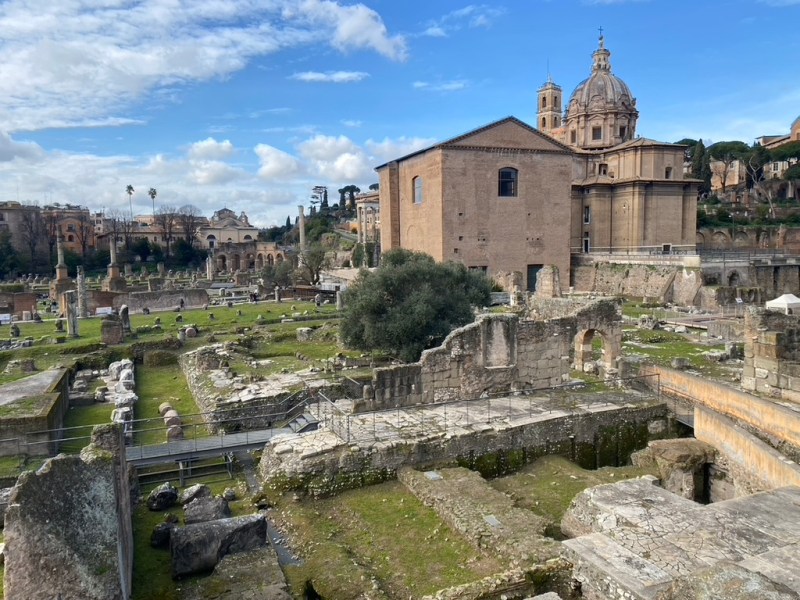
When I began my journey at the University of Siena in 2000, the path towards my thesis remained uncertain. For three years prior, I excavated alongside a research group in Castel di Pietra, spending my last summers as a teenager amidst the remnants of ancient rooms, painstakingly removing contexts of rubble and collapse. A pivotal…
Tusculum
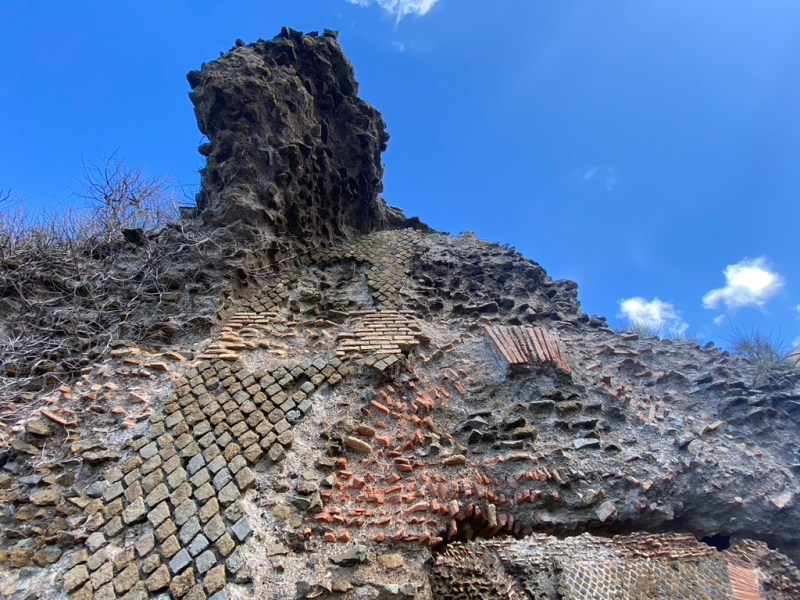
Experiencing ennui in Rome proves to be a formidable challenge, owing to the city’s abundant array of opportunities for delving into its historical narrative, architectural marvels, and cultural heritage. Furthermore, Rome boasts a plethora of diverse exhibitions catering to myriad interests, thereby catering to the intellectual and aesthetic inclinations of its visitors. Nonetheless, venturing beyond…
A colossal awe
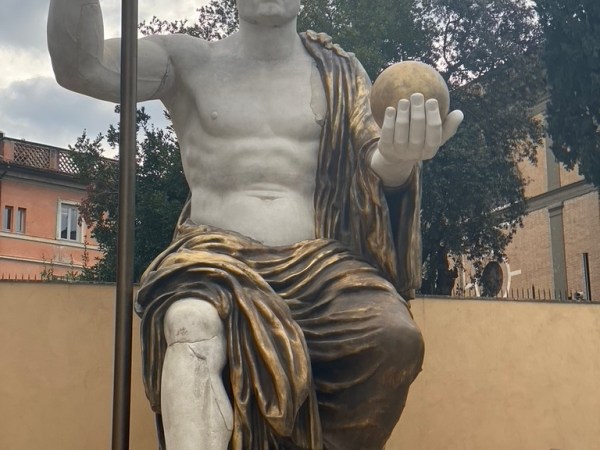
The experience of encountering the reconstructed Colossus of Constantine, prominently displayed within the verdant environs of Palazzo Caffarelli in Rome, evokes a profound sense of astonishment. Immersed within this setting, one is transported to a realm where the meticulously crafted proportions faithfully capture the essence of the grandeur sought during the 4th century. It is…
Etruscan Identities
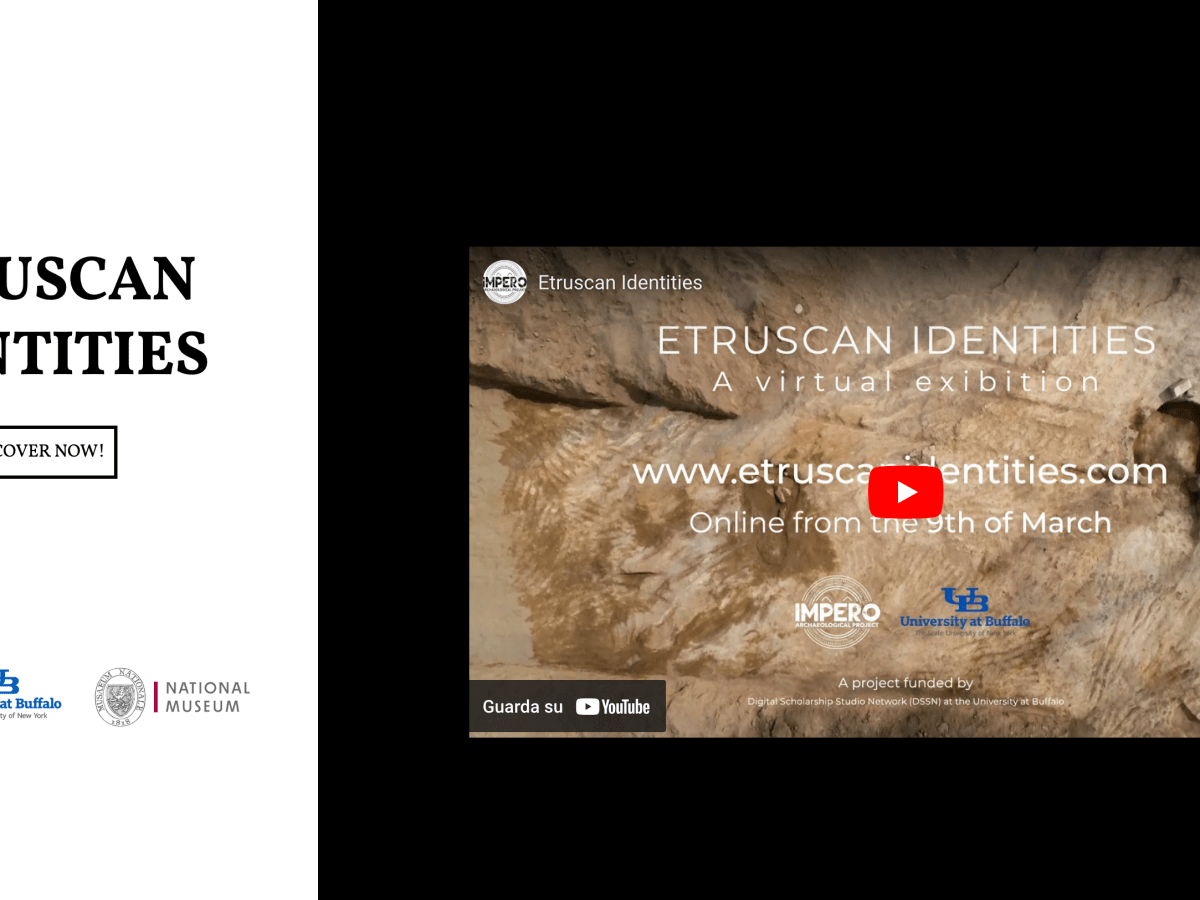
In early March, we unveiled a digital exhibition dedicated to the discoveries made within the necropolis of Podere Cannicci. Named “Etruscan Identities,” the exhibition is curated to spotlight the tangible remnants of Hellenistic-era interments unearthed along the slopes of a prominent hill. The significance of these findings transcends mere materiality, as it pivots on the…
Capo di Bove
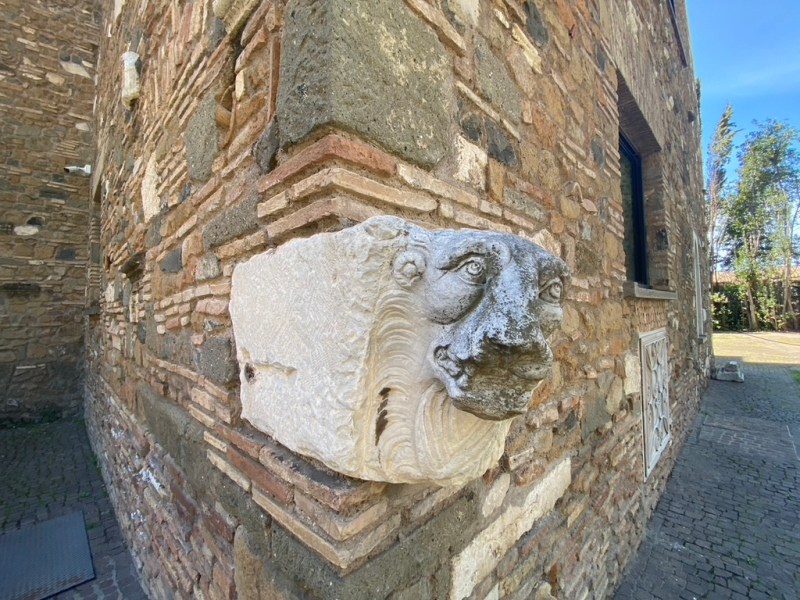
Coming back to the Appian Way topic, the Capo di Bove site stands out as a place that sparks lots of interest from scholars. I first visited this area in 2017, during a key trip planned by my good friend Massimo Brando. At that time, I was getting ready for a contest to become the…
Castrum Caetani
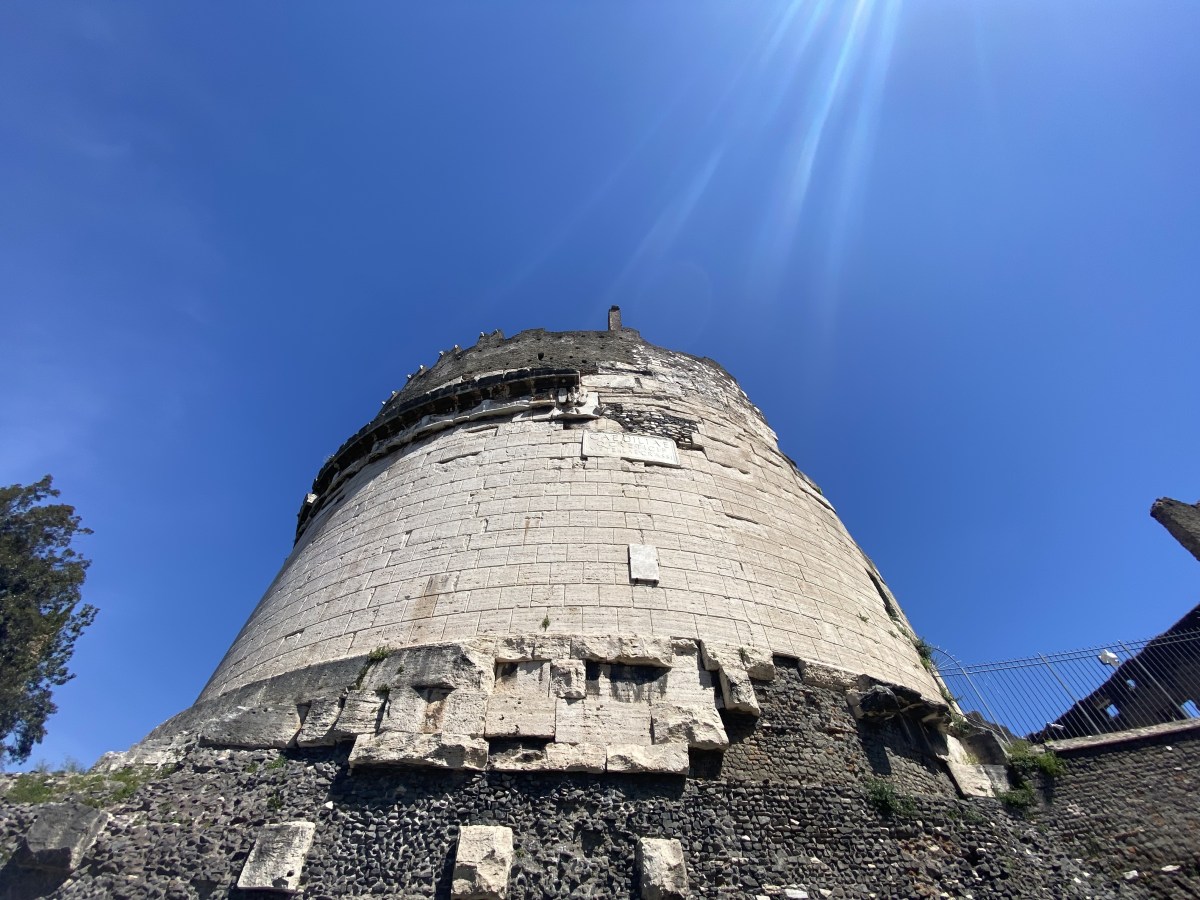
A recent excursion provided me with the opportunity to explore the historic Appian Way in Rome amidst the captivating ambiance of a spring day. The initial encounter was with the Castrum Caetani, a prominent monument previously observed only from exterior perspectives, now unveiled in its interior grandeur for the first time. The journey proved immensely…
Visiting Professorship
Back in February 2024, I started my position as a Visiting Professor at the University of Tor Vergata, Rome. This proved to be a wonderful opportunity to connect again with Italy and the city of Rome. During my tenure there, I had the chance to meet with undergraduate and graduate students, discussing themes about the…
Podcast released
Today marks the release of a podcast that I recorded with my colleague Laura Morabito on inclusivity, technology, and accessibility in archaeology. Click here to listen to the podcast!
Working with drones
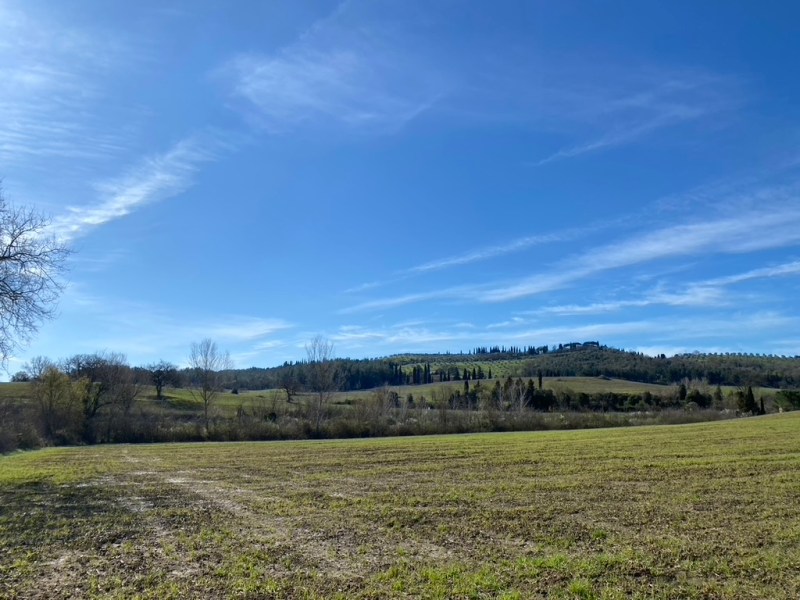
Later this week, I will start a new research partnership with Prof. Karthik Dantu of the University at Buffalo. Together, we will experiment with drones, Lidar, and GPR sensors at the site of Podere Cannicci to find new solutions for archaeology. The team This side project of IMPERO is carried out by Prof. Alessandro Sebastiani,…
Back to the Colosseum
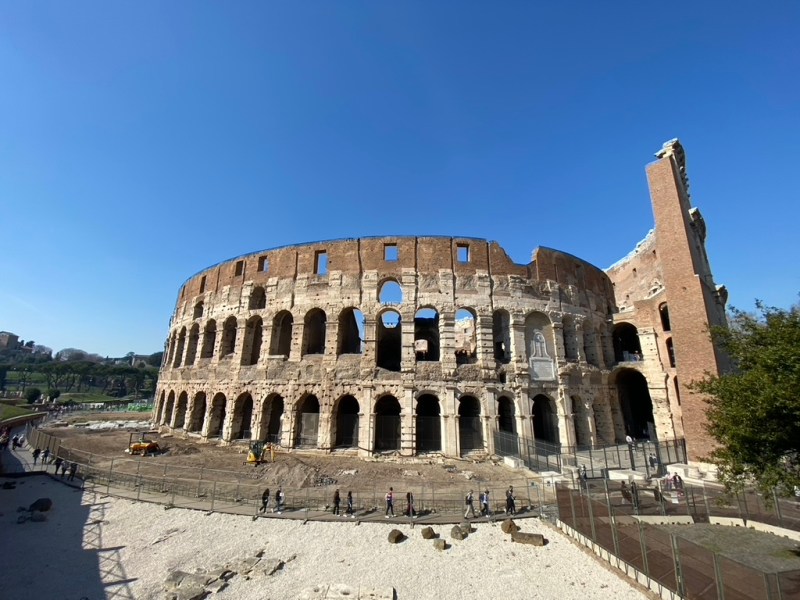
After nearly 8 years, I found myself back in Rome, but with a fresh perspective. Life had undergone significant changes, notably marked by the release of a book detailing the city’s urban evolution from 1870 to 1945. Viewing the monuments through new eyes allowed me to truly appreciate their intricate details, the grandeur of their…
Welcome to my blog!
As an archaeologist, my work takes me across diverse landscapes and cultures, uncovering stories from the past and creating new connections in the present.
Through this blog, I share my journeys, recording not just the facts but also the emotions and reflections that each discovery inspires.
Here, you’ll find updates on my latest research, new scholarship, and archaeological activities, offering insights into the world of archaeology as I experience it.
This space is both a professional resource and a personal narrative, bringing you closer to the field as it unfolds in real-time.
Find me on:
Join the blog!
Stay updated with my latest writings and other news by joining my newsletter.
 Alessandro Sebastiani